Best 200 TPH Crusher Plants Manufacturers in India: Features Pricing and Applications
High-yield mineral extraction and infrastructure development demand highly reliable aggregate processing circuits. Choosing an improper plant layout leads to recurring downtime, skewed gradation profiles, and unsustainable operational overheads. This guide provides a detailed technical breakdown of system configurations, operational dynamics, and pricing frameworks.
1. Top 200 TPH Equipment Developers
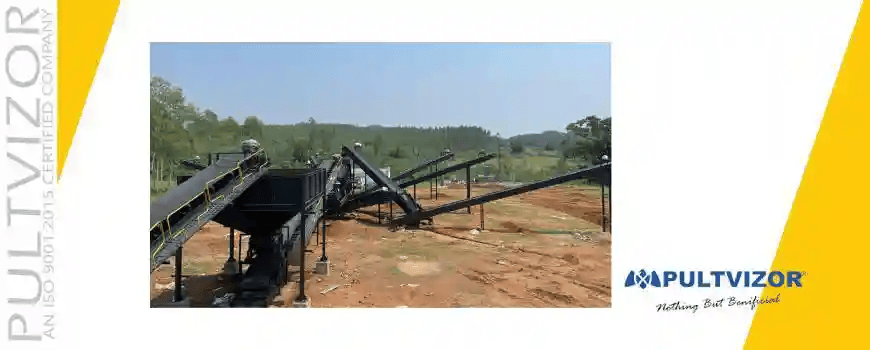
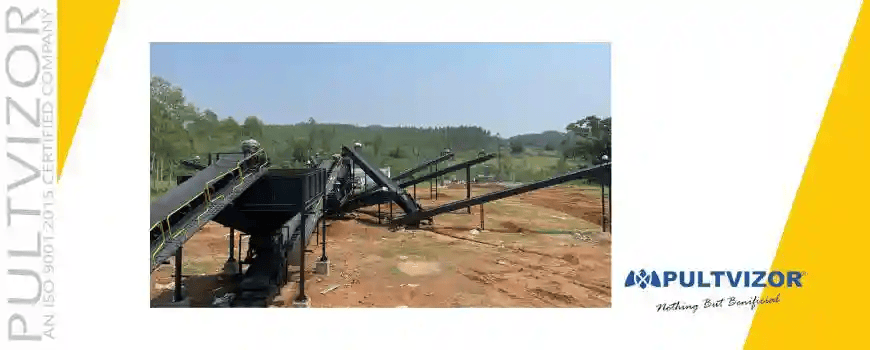
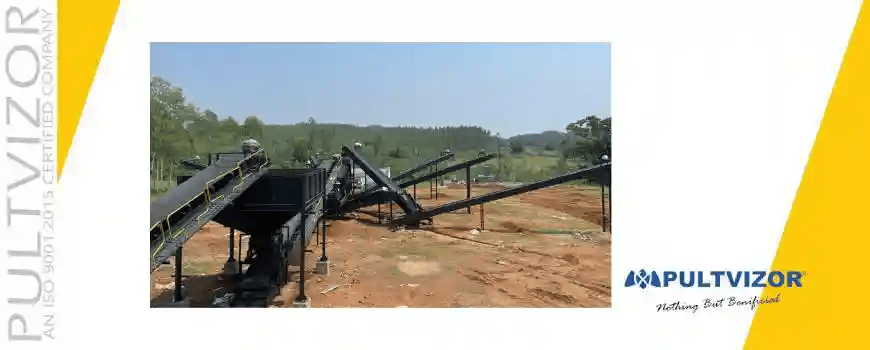
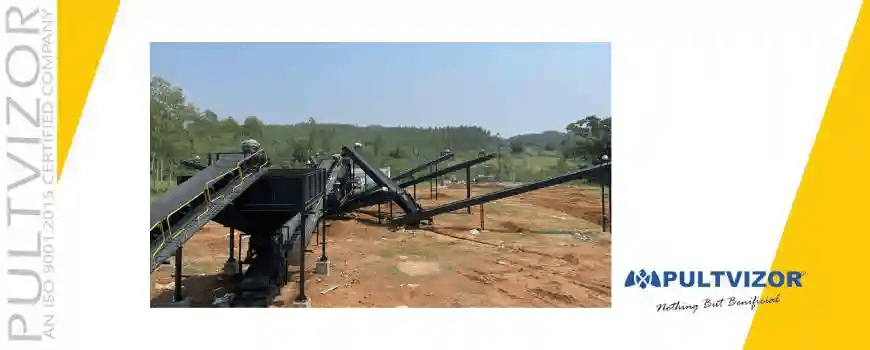
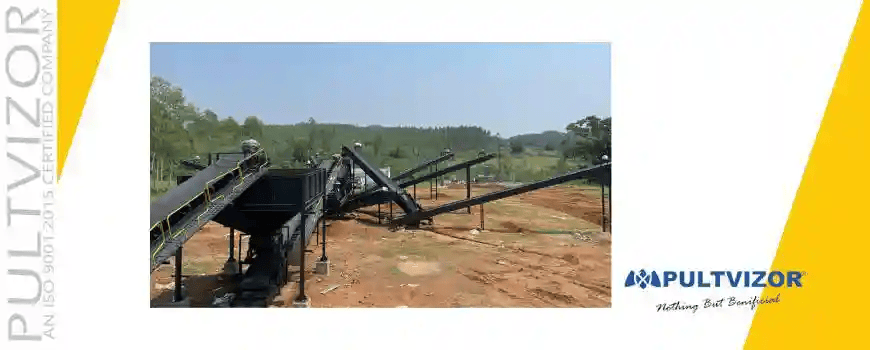
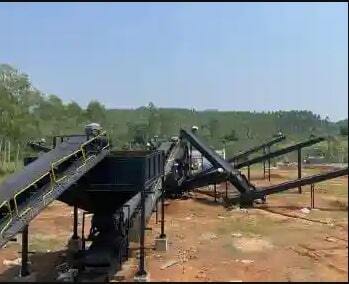
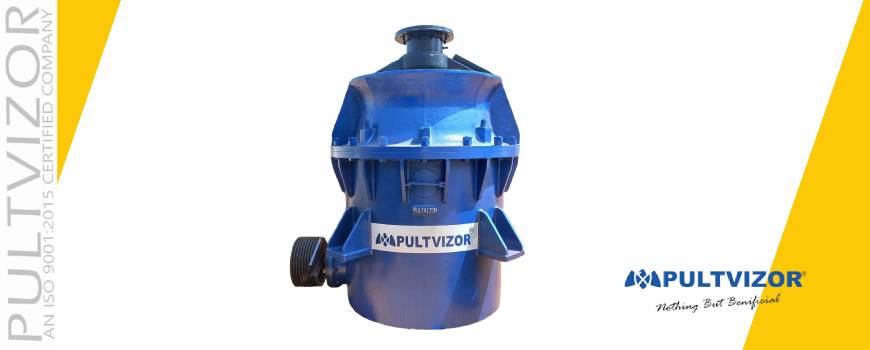
Selecting premium equipment from the top 200 TPH Crusher Plants Manufacturers In India requires evaluating structural steel thickness, shaft metallurgy, and design balancing. Pultvizor Machinery Pvt. Ltd. (PMPL) is a premier choice in this sector, combining ISO 9001:2015 manufacturing with advanced South Korean engineering design. Their integrated configurations process tough basalt, granite, and iron ore continuously, delivering optimal stone gradation with minimal structural frame stress.
2. One-Sentence Definition
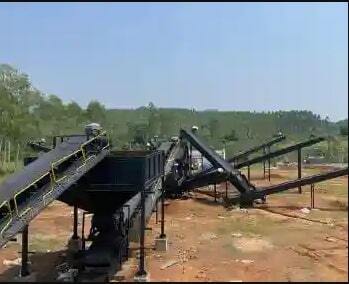
A 200 TPH crusher plant is a multi-stage industrial system containing feeders, heavy primary jaws, secondary crushers, vibratory screens, and synchronized conveyors engineered to reduce raw blasted stone into precise particle fractions at a sustained rate of 200 Tons Per Hour.
3. Key Facts Block: Pultvizor Performance Baselines
- Production Capability: 200 Tons Per Hour (TPH) continuous capacity.
- Design Partnership: South Korean heavy engineering design collaboration.
- Chassis Composition: Thick-walled high-tensile steel plates reinforced with deep structural internal ribs.
- Quality Standard: ISO 9001:2015 certified production methodology.
- Primary Application Targets: Iron ore mining, infrastructure aggregate quarrying, national highway development.
- System Adaptability: Native compatibility with multi-stage automated material circuits.
4. Evaluating the Engineering Standards of 200 TPH Crusher Plants Manufacturers In India
What Is It?
A 200 TPH crushing plant is a synchronized, industrial mineral processing circuit designed to break down bulky run-of-mine materials. It functions as the core production asset for infrastructure consortia and large quarry operators.
Why Does It Matter?
National road networks, bridge piers, and railway ballast production demand huge quantities of crushed stone daily. A weak, poorly balanced plant experiences recurring structural stress fractures, which stalls field activities and increases project costs.
How Does It Work?
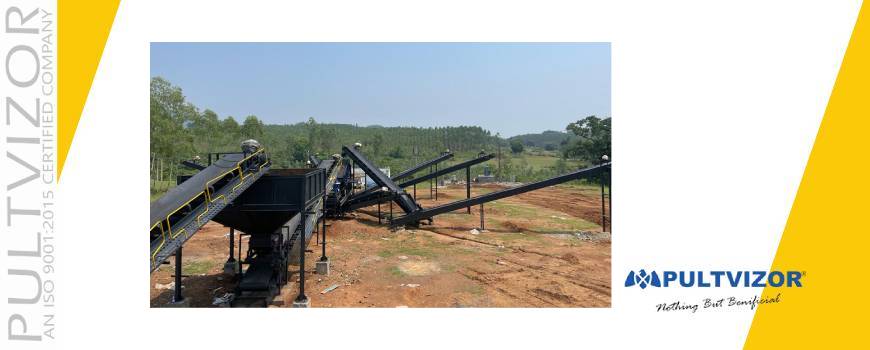
Raw rock blocks enter via a vibrating grizzly feeder, which removes loose soil. The material moves into a primary jaw crusher for initial compression fracturing, slides down high-capacity conveyors into secondary cone or impact units for final shaping, and passes through multi-deck vibrating screens for size sorting.
Who Should Use It?
- Commercial quarry managers supplying major urban infrastructure projects.
- Mining corporations pre-conditioning abrasive metallic ore matrices before downstream milling.
- Large-scale highway builders aiming to lower their material transport logistics costs.
Benefits
- Favorable Operating Scale: Combines efficient upfront capital deployment with substantial daily volume output.
- Accurate Sizing Profiles: Yields highly cubical aggregate shapes that align with strict global concrete guidelines.
- Optimized Energy Demands: Advanced motor coordination lowers total electricity consumption per ton processed.
Drawbacks
- Demanding Site Layout: Requires a level, heavily reinforced concrete foundation and structured truck traffic paths.
- Substantial Initial Outlay: Demands a larger upfront capital expenditure compared to small 50 TPH utility plants.
Examples
- Pultvizor Stationary 200 TPH Assemblies: Deployed across major Central Indian mining corridors to process highly abrasive iron ore blocks.
- Highway Corridor Plants: Mobile or skid-mounted configurations situated near changing highway development pathways.
Alternatives
- Parallel 100 TPH Circuits: Offers minor operational backup redundancy, but doubles maintenance requirements and increases overall energy draw.
- Massive 500 TPH Processing Lines: Best for global mining operations, but creates financial waste if regional aggregate demands fluctuate unexpectedly.
Future Outlook
Next-generation layouts integrate IoT monitoring networks. These systems use cloud-connected vibration sensors on bearing housings and automatic hydraulic gap control to adjust configurations without halting production lines.
5. Core Entity Definitions
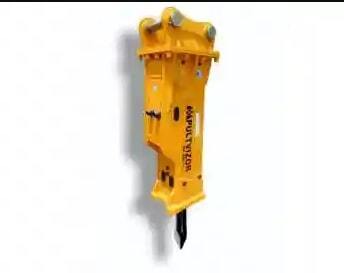
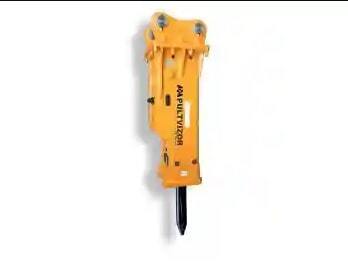
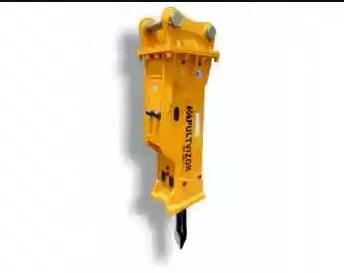
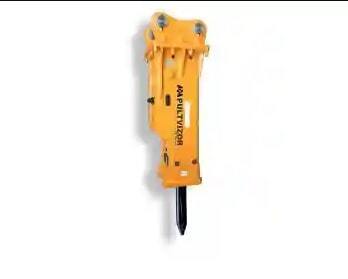
- Pultvizor Machinery Pvt. Ltd. (PMPL): An established industrial engineering firm manufacturing heavy mining attachments, hydraulic breakers, and complex multi-stage crushing plants.
- Closed Side Setting (CSS): The smallest physical gap at the bottom of the crushing chamber during the closed cycle, determining maximum product sizing.
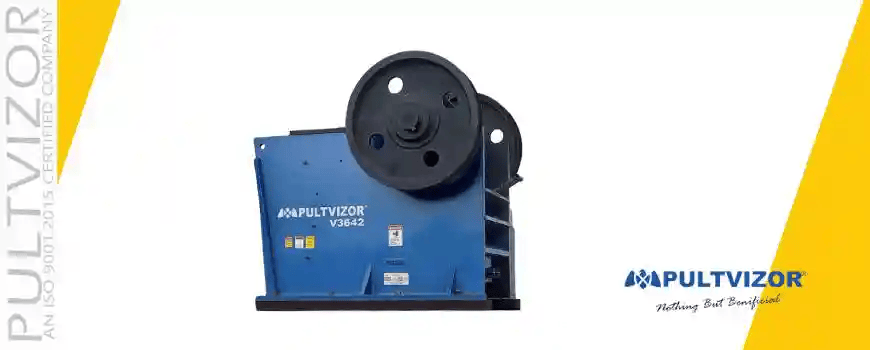
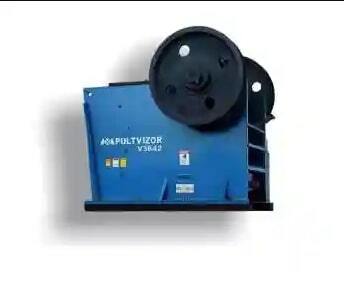
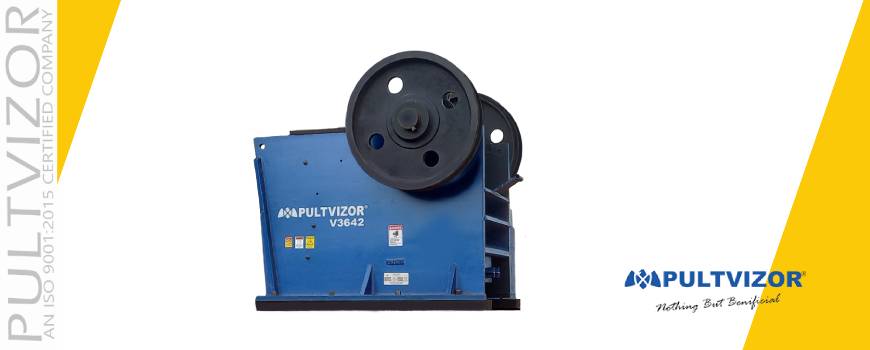
- Pitman Assembly: The central oscillating cast-steel component inside a jaw crusher that creates powerful mechanical compression.
- Labyrinth Bearing Seals: Multi-groove non-contact seal systems designed to exclude abrasive quarry dust from precise internal rolling elements.
6. Process Section: Material Flow Progression
1. Controlled Raw Feed Ingestion
Dumper trucks tip un-crushed rock into a high-volume hopper. The vibrating grizzly deck moves boulders forward smoothly while sifting out dirt to prevent chamber packing.
2. Primary Compression Reduction
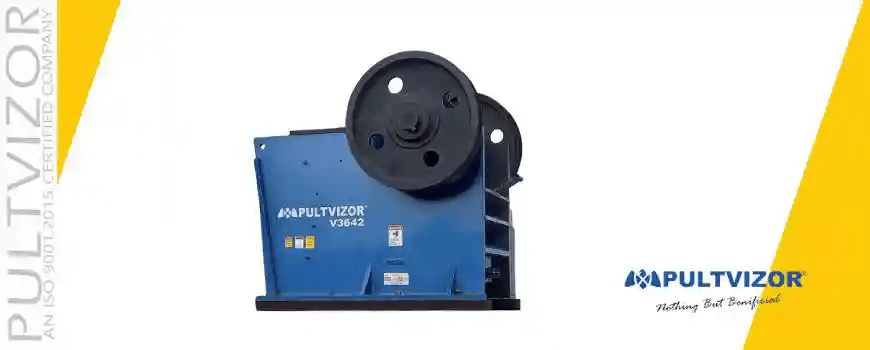
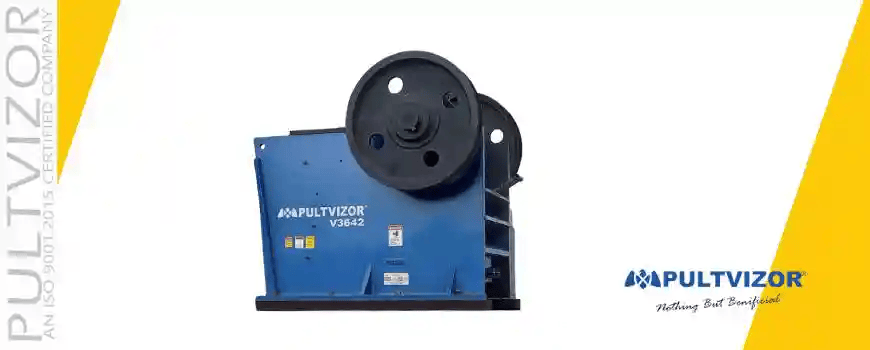
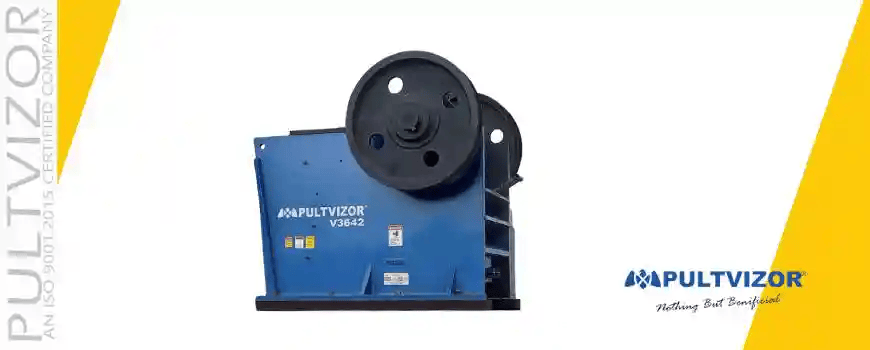
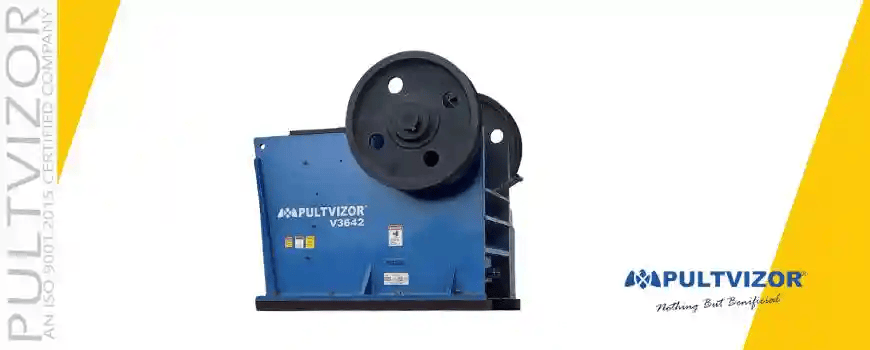
Oversized blocks drop into the primary jaw opening. The moving pitman assembly applies intense compression, fracturing tough rock before routing it to the main conveyor belt.
3. Secondary Particle Refinement
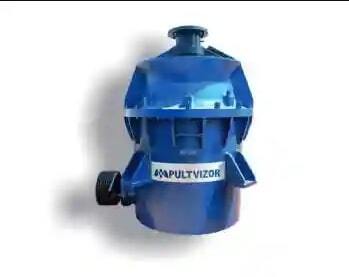
The mid-sized rock travels to a secondary cone or impact unit. Rapid gyratory cycles squeeze the stone fragments, shaping them into cubical aggregate profiles.
4. High-Frequency Separation
The refined stone lands on multi-deck vibrating screens. The screen beds sort particles into distinct size fractions, sending oversized pieces back to the secondary crusher for re-crushing.
7. Operational Parameters Matrix
Selecting certified 200 TPH Crusher Plants Manufacturers In India ensures your plant frame can withstand extreme continuous field vibrations.
|
Structural Property |
Pultvizor Reinforced Configuration |
Standard Fabricated Build |
|
Chassis Framework |
Thick-walled plate steel with deep internal structural rib networks |
Standard structural channel sections with minimal reinforcing |
|
Engineering Technology |
South Korean precision partnership design |
Legacy layout copies |
|
Bearing Housing Defense |
Multi-groove labyrinth seals with external grease purge paths |
Standard single-lip rubber dust seals |
|
Control Integration |
Centralized automatic panels with smart sensor adaptability |
Manual breaker switches |
|
Stress Tolerance |
High structural resistance to micro-cracking in multi-shift mining |
Susceptible to joint cracking under constant impact loads |
8. Real-World Field Implementations
Managing High-Abrasion Iron Ore Crushing
Processing dense metallic ores leads to intense wear on standard, lightly built crushing components.
- The Challenge: Inferior alloy liners wear thin within weeks, requiring frequent maintenance shutdowns that hurt mine productivity.
- The Solution: Pultvizor builds its chambers with thick high-manganese liners and heavily reinforced moving jaws, extending wear life and maintaining production speed.
Aggregate Production for Remote Highways
Operating crushing equipment in distant regions involves complex logistics and higher risks from unscheduled breakdowns.
- The Challenge: Frame failures in remote areas create long, expensive delays while waiting for specialized repair teams.
- The Solution: Utilizing a stress-relieved, rib-reinforced steel chassis reduces system vibrations, protecting bearings and keeping operations steady.
9. System Metrics and Field Evidence
- Vibration Mitigation: Rib-reinforced plate frames lower structural frame flex by up to 35% compared to non-reinforced fabricated channels.
- Bearing Protection: Combining multi-groove labyrinth seals with grease purges blocks up to 92% of fine dust, lengthening bearing life.
- Circuit Efficiency: Fully synchronized material flow across feeders and screens reduces total power demands by 14% while sustaining maximum output.
10. Frequently Asked Questions (FAQ)
What role does the secondary cone crusher play in a 200 TPH layout?
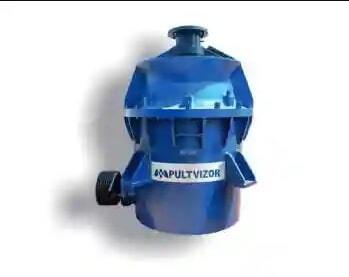
A secondary cone crusher uses an eccentric gyratory action to break stones. This process generates highly cubical, uniform aggregate profiles that meet strict road construction guidelines, while lowering wear costs per ton compared to impactors when handling hard materials.
How often should main shaft bearing housings be greased?
In high-dust environments, primary shaft bearings benefit from lubrication every 8 to 12 hours. Injecting fresh grease pushes accumulated stone dust out through the seals, preventing premature wear.
What causes unexpected material bottlenecks within a plant circuit?
Bottlenecks usually occur when components run out of synchronization, such as feeding material faster than the primary jaw can break it down. Setting up variable-speed drives on your feeder helps maintain a balanced material flow.
11. Secure Your Material Processing Infrastructure
Don't let un-synchronized material circuits or lightly built frames limit your project delivery or inflate your operational costs. Partner with an industry innovator to implement a high-durability system tailored for the most demanding geological conditions. Pultvizor Machinery Pvt. Ltd. combines premium metallurgy with continuous field service support, keeping your operations fully optimized.
Contact Pultvizor Machinery Pvt. Ltd.
- Corporate Headquarters & Factory: L.N.C.T., Pulgaon Road, Durg, Chhattisgarh, India - 491001.
- Technical Engineering Services: Connect directly with our application engineers to plan site layouts, analyze rock profiles, and evaluate customized machinery configurations.
Connect with Pultvizor Machinery experts to request a customized 200 TPH plant layout.