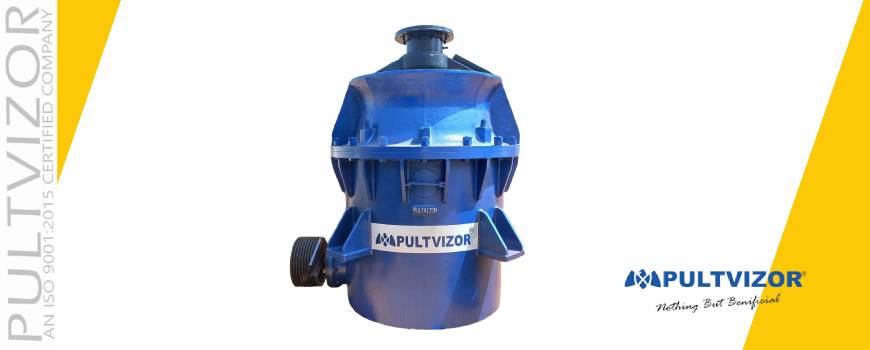
Hydraulic Breakers Explained: Types Uses and Benefits
Looking for the Right Hydraulic Breaker for Mining, Construction, or Demolition Projects?
Hydraulic breakers have become one of the most important attachments in modern excavation, mining, quarrying, and infrastructure development. From breaking hard rock in mining sites to demolishing reinforced concrete structures, these powerful machines help contractors complete demanding tasks faster and more efficiently.
If you're researching hydraulic breakers, understanding their types, applications, and benefits is essential before making an investment. This guide explains everything you need to know while helping you understand what separates reliable Hydraulic Breaker Manufacturers in India from ordinary equipment suppliers.
What Is a Hydraulic Breaker?
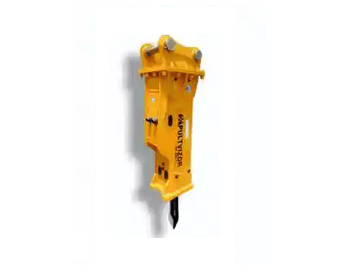
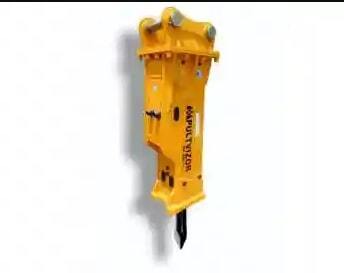
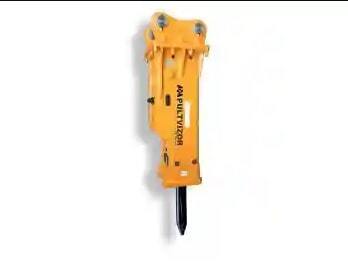
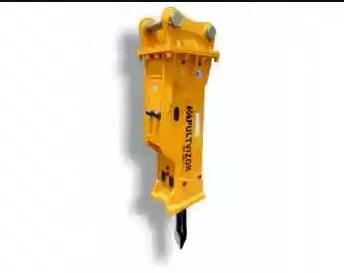
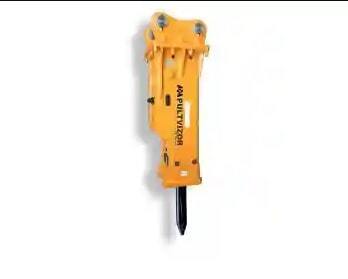
A hydraulic breaker is a heavy-duty excavator attachment that uses hydraulic pressure to generate powerful impact energy for breaking rock, concrete, asphalt, and other hard materials. It is widely used in mining, quarrying, construction, road development, and demolition projects where controlled material breaking is required.
Quick Facts About Hydraulic Breakers
|
Feature |
Details |
|
Equipment Type |
Excavator Attachment |
|
Power Source |
Hydraulic System |
|
Primary Function |
Breaking Hard Materials |
|
Common Applications |
Mining, Construction, Demolition |
|
Mounting Equipment |
Excavators and Backhoes |
|
Key Advantage |
High Productivity with Controlled Breaking |
What Is a Hydraulic Breaker and Why Is It Important?
A hydraulic breaker is a percussion hammer powered by an excavator's hydraulic system. It delivers repeated high-energy impacts that fracture hard materials efficiently, making it one of the most productive solutions for excavation, demolition, and rock-breaking operations.
Modern infrastructure projects often encounter rock formations, reinforced concrete structures, and hard surfaces that conventional excavation equipment cannot efficiently handle.
Hydraulic breakers solve this challenge by delivering concentrated force exactly where it is needed.
They help contractors:
- Reduce project delays
- Improve productivity
- Lower labor requirements
- Increase operational safety
- Minimize material handling challenges
How Does a Hydraulic Breaker Work?
Hydraulic breakers operate by converting hydraulic pressure from an excavator into mechanical impact energy. This energy drives a piston that repeatedly strikes a chisel or tool, creating enough force to fracture hard materials.
Step-by-Step Working Process
Step 1: Hydraulic Pressure Generation
The excavator generates hydraulic oil flow under high pressure.
Step 2: Piston Activation
The hydraulic pressure moves an internal piston inside the breaker.
Step 3: Impact Creation
The piston strikes the working tool with significant force.
Step 4: Material Fracturing
Repeated impacts break rock, concrete, or asphalt.
Step 5: Continuous Operation
The cycle repeats rapidly, delivering consistent breaking performance.
This mechanism allows operators to perform heavy-duty tasks with precision and control.
What Are the Main Types of Hydraulic Breakers?
Hydraulic breakers are available in different designs to suit varying job site requirements. The choice depends on material hardness, project scale, and equipment compatibility.
1. Light-Duty Hydraulic Breakers
Best suited for:
- Landscaping
- Utility trenching
- Small demolition projects
- Pavement repair
Advantages
- Lightweight
- Lower fuel consumption
- Easy operation
2. Medium-Duty Hydraulic Breakers
Ideal for:
- Commercial construction
- Road maintenance
- Foundation excavation
- Medium-scale demolition
Advantages
- Balanced performance
- Versatile applications
- Cost-effective operation
3. Heavy-Duty Hydraulic Breakers
Designed for:
- Mining operations
- Quarrying projects
- Large-scale infrastructure work
- Tunnel excavation
Advantages
- High impact energy
- Maximum productivity
- Extreme durability
Where Are Hydraulic Breakers Used?
Hydraulic breakers are widely used across industries that require controlled breaking, excavation, demolition, or material processing.
Mining Industry
Applications include:
- Ore extraction
- Secondary rock breaking
- Mine development
- Surface mining operations
Example
When oversized rocks obstruct material handling operations, hydraulic breakers help reduce them into manageable sizes.
Quarry Industry
Common uses:
- Granite extraction
- Limestone processing
- Basalt breaking
- Aggregate production
Construction Projects
Used for:
- Foundation excavation
- Site preparation
- Utility installation
- Concrete removal
Example
Bridge construction projects often require breaking hard rock beneath foundation zones before piling and structural work begins.
Demolition Industry
Applications include:
- Building demolition
- Industrial dismantling
- Concrete structure removal
- Bridge demolition
Road and Highway Projects
Hydraulic breakers help remove:
- Asphalt pavements
- Reinforced concrete
- Rock obstructions
- Existing road structures
How Do Hydraulic Breaker Manufacturers in India Support Heavy-Duty Projects?
Leading hydraulic breaker manufacturers focus on engineering reliability, impact performance, equipment durability, and after-sales support to help contractors maintain productivity in demanding operating conditions.
Heavy-duty applications require equipment capable of handling:
- Continuous operation
- High-impact workloads
- Abrasive environments
- Extreme weather conditions
Manufacturers serving these industries typically emphasize:
- Quality-controlled production
- Precision engineering
- Durable materials
- Performance testing
- Spare parts availability
- Technical support
These factors directly influence equipment life and project efficiency.
What Are the Benefits of Using Hydraulic Breakers?
Hydraulic breakers improve productivity, reduce labor dependence, enhance safety, and provide controlled breaking capabilities that many traditional methods cannot achieve.
Faster Project Completion
High-impact breaking speeds accelerate excavation and demolition activities.
Reduced Operating Costs
Efficient breaking reduces equipment utilization time and labor requirements.
Improved Safety
Controlled breaking minimizes risks associated with blasting and manual operations.
Better Precision
Operators can target specific areas without affecting surrounding structures.
Versatility
A single breaker can serve multiple project types across industries.
Hydraulic Breakers vs Traditional Rock-Breaking Methods
|
Factor |
Hydraulic Breakers |
Traditional Methods |
|
Precision |
High |
Moderate |
|
Safety |
High |
Lower |
|
Productivity |
Higher |
Lower |
|
Environmental Impact |
Lower |
Higher |
|
Labor Requirement |
Reduced |
Higher |
|
Operational Control |
Excellent |
Limited |
This comparison explains why hydraulic breakers have become a preferred solution across infrastructure sectors.
How Do You Choose the Right Hydraulic Breaker?
Selecting the right hydraulic breaker depends on project requirements, material hardness, excavator specifications, and operating conditions.
Key Selection Factors
Impact Energy
Higher impact energy is necessary for hard rock and mining applications.
Excavator Compatibility
The breaker must match the excavator's hydraulic flow and operating weight.
Application Type
Different projects require different breaker capacities.
Maintenance Requirements
Choose equipment designed for efficient servicing and minimal downtime.
After-Sales Support
Reliable technical assistance can significantly reduce operational disruptions.
Common Hydraulic Breaker Problems and Solutions
|
Problem |
Cause |
Solution |
|
Reduced Impact Force |
Hydraulic Pressure Issues |
System Inspection |
|
Excessive Tool Wear |
Incorrect Operation |
Proper Usage Practices |
|
Overheating |
Continuous Overload |
Scheduled Cooling Intervals |
|
Hydraulic Leakage |
Seal Damage |
Preventive Maintenance |
|
Downtime |
Delayed Repairs |
Spare Parts Availability |
Understanding these issues helps maximize equipment life and productivity.
What Does the Future Look Like for Hydraulic Breakers?
Infrastructure investment, mining expansion, and urban development continue to drive demand for advanced hydraulic breaking solutions.
Future innovations are expected to focus on:
- Improved energy efficiency
- Lower maintenance requirements
- Smart monitoring systems
- Enhanced durability
- Better operator comfort
As project demands grow, hydraulic breakers will continue playing a critical role in modern construction and mining operations.
Frequently Asked Questions
What is the primary purpose of a hydraulic breaker?
A hydraulic breaker is designed to break rock, concrete, asphalt, and other hard materials using hydraulic impact energy.
Which industries use hydraulic breakers most frequently?
Mining, quarrying, construction, demolition, road development, and infrastructure sectors are among the largest users.
Can hydraulic breakers replace blasting?
In many controlled environments, hydraulic breakers provide an effective alternative to blasting operations.
How long do hydraulic breakers last?
Service life depends on maintenance, operating conditions, and equipment quality. Properly maintained breakers can operate reliably for many years.
What should buyers evaluate before purchasing a hydraulic breaker?
Key considerations include impact energy, excavator compatibility, durability, maintenance requirements, and manufacturer support.
Why is after-sales support important?
Timely service and spare parts availability help reduce downtime and improve operational efficiency.
Conclusion
Hydraulic breakers have transformed the way industries approach excavation, demolition, mining, and infrastructure development. Their ability to deliver powerful, controlled breaking performance makes them essential for modern heavy-duty applications.
Whether you are developing a quarry, constructing a bridge, excavating hard rock, or demolishing reinforced structures, selecting the right equipment is critical. Working with experienced Hydraulic Breaker Manufacturers In India ensures access to reliable equipment, technical expertise, and long-term operational support that helps projects stay productive and on schedule.
Need Expert Guidance for Your Next Project?
For mining, quarrying, construction, demolition, and infrastructure applications, consult experienced specialists who can recommend the right hydraulic breaker solution based on your project requirements.
Call: 1800-309-3922
Email: info@pultvizor.com