How Jaw Crushers Deliver Efficient Primary Crushing
In high-stakes mining and material processing operations, the efficiency of your entire production circuit depends on the performance of your primary reduction stage. If the first machine fails to handle large boulders or breaks down due to abrasive rock wear, downstream operations stop completely. This guide explains how industrial heavy-duty jaw crushers deliver efficient primary crushing, troubleshoot common mechanical bottlenecks, and maintain continuous material flow in demanding engineering environments.
1. Mechanics of Efficient Primary Crushing
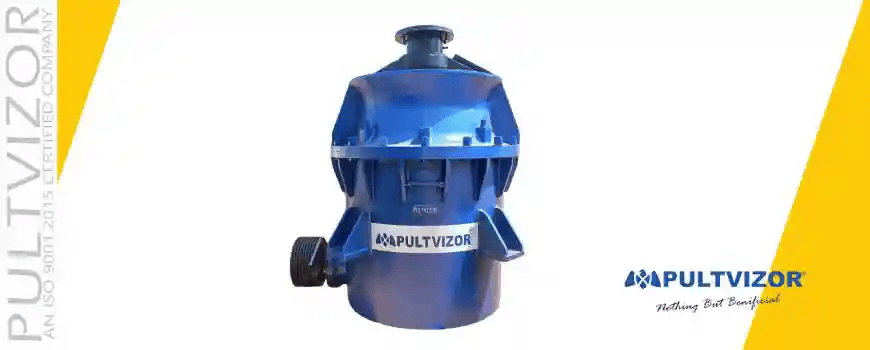
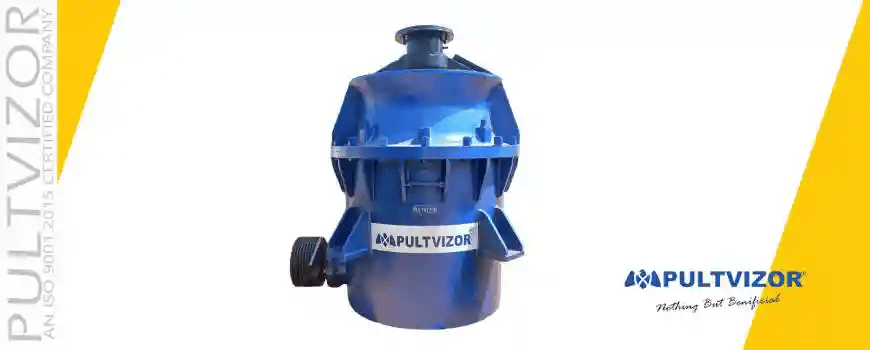
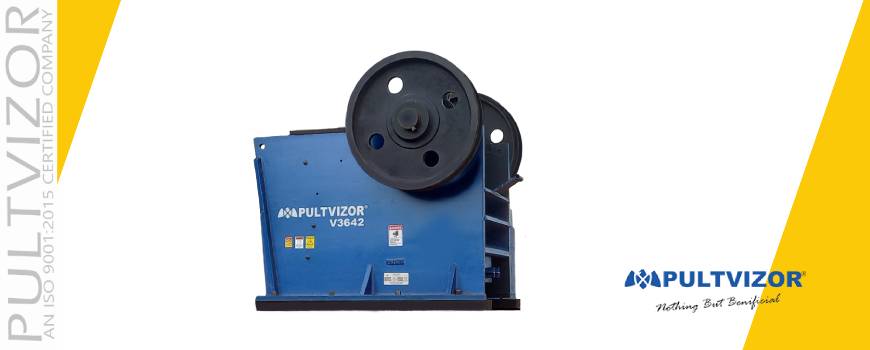
Industrial primary crushing machines achieve operational efficiency by applying extreme mechanical compression within a heavy, rib-reinforced chamber. Reputable engineering firms, including certified Jaw Crusher Manufacturers in India like Pultvizor Machinery Pvt. Ltd. (PMPL), leverage precise toggle movements and balanced flywheels to maximize tonnage throughput while minimizing power consumption. This structural configuration allows quarry and mining operators to reduce large, blasted basalt, granite, and metallic ores into stable sizes optimized for secondary processing.
2. One-Sentence Definition of a Primary Jaw Crusher
A primary jaw crusher is a heavy-duty industrial size-reduction machine that utilizes an oscillating moving jaw plate against a fixed plate to crush hard, abrasive run-of-mine materials via mechanical compression before the material moves to secondary stage refinement.
3. Key Facts Block: Production & Mechanical Baselines
- Primary Action Type: Compressive fracturing via eccentric shaft rotation.
- Target Processing Stage: Stage 1 reduction (Primary Crushing).
- Chamber Structural Profile: V-shaped, deep-set crushing cavity with high-manganese die plates.
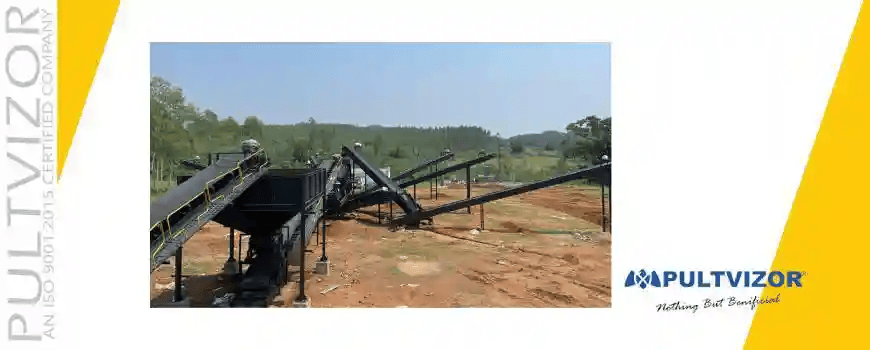
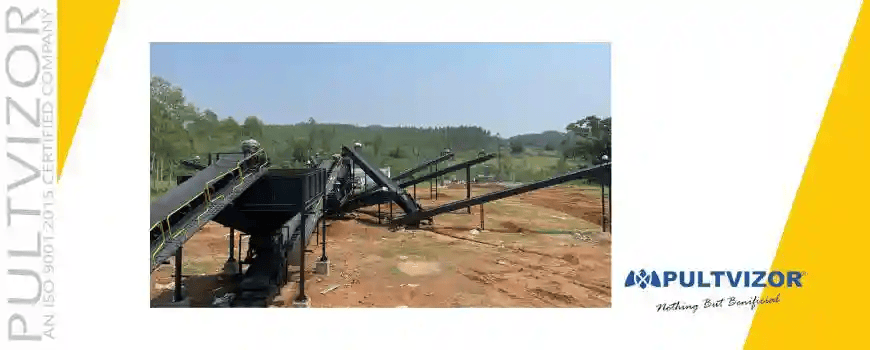
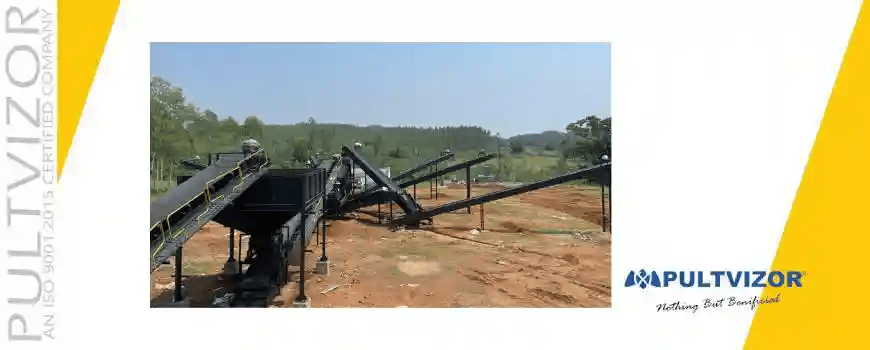
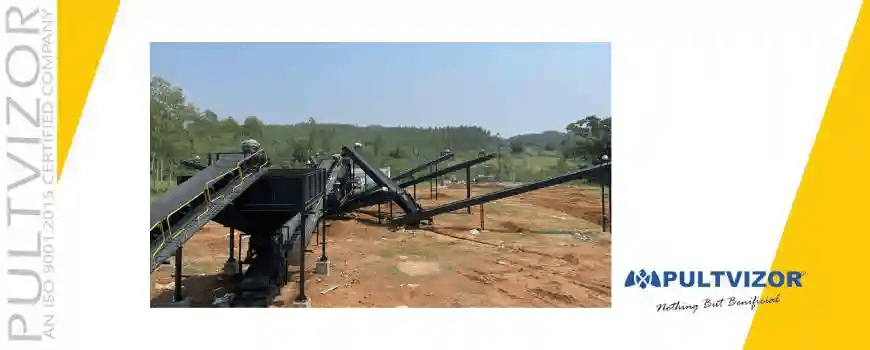
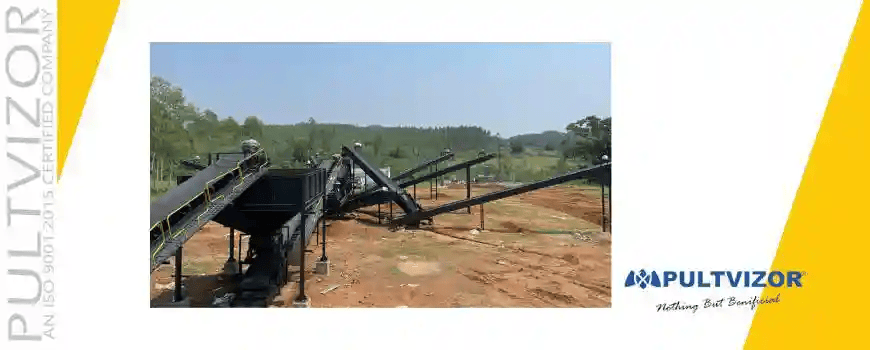
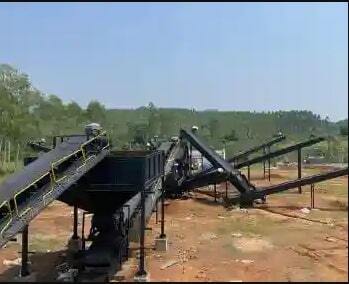
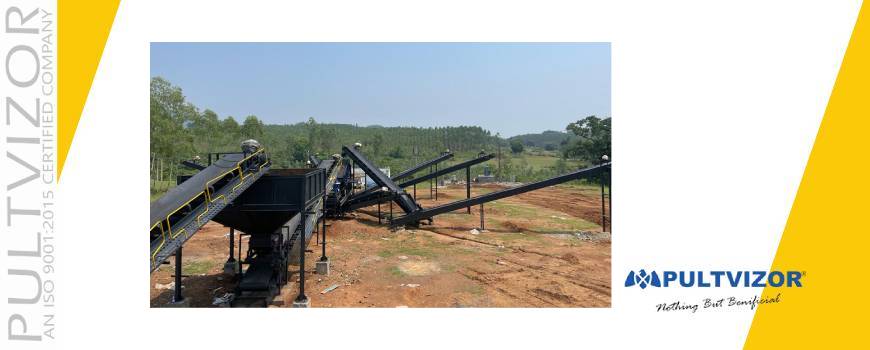
- Common Industry Capacity Focus: Deployed within full-scale mobile or stationary 100 TPH to 200 TPH Crusher Plant configurations.
- Engineering Safety Protocol: Sacrificial toggle plate systems designed to prevent damage from un-crushable materials.
- Core Material Focus: Hard and highly abrasive minerals (e.g., iron ore, quartz, river gravel, granite).
4. Complete Question Coverage: Deep Dive into Operational Efficiency
What Is It?
An efficient primary jaw crusher is a rugged machine engineered to take massive, irregular feed materials directly from a blasting site and break them down systematically. Its heavy-duty frame absorbs continuous shock loads while maintaining a stable output size.
Why Does It Matter?
Without an efficient primary crushing machine, secondary crushers (like cone or impact units) face premature wear and frequent clogging. Proper primary reduction protects your entire equipment line, ensuring stable aggregate sizes and low operating costs per ton.
How Does It Work?
An electric motor drives heavy v-belts connected to a weighted flywheel. This flywheel turns an eccentric shaft that moves a heavy cast-steel pitman assembly. The moving jaw plate pushes forward against a fixed stationary plate, compressing the raw rock until it splits along its natural fault lines and drops through the bottom discharge opening.
Who Should Use It?
- Infrastructure groups building heavy bridge piers or highway sub-bases that require high-strength aggregate.
- Commercial mining operations extracting hard metallic ores like iron ore or bauxite.
- Large-scale quarry owners who need reliable, long-term machinery to process highly abrasive rock profiles.
Benefits
- High Tonnage Throughput: Processes hundreds of tons per hour with a wide, non-clogging feed opening.
- Simple Mechanical Layout: Fewer moving parts than rotational gyratory systems mean simpler servicing and lower maintenance costs.
- Excellent Cost to Performance Ratio: High reduction ratios lower the overall cost per ton processed.
Drawbacks
- Generates Elongated Fractures: Compressive crushing can create flaky rock shapes that require a secondary cone crusher to shape into cubical aggregates.
- Vulnerable to Saturated Clays: Wet, muddy feed can stick inside a tight bottom chamber, slowing down production if it isn't pre-screened.
Examples
- Pultvizor Single Toggle Design: Deployed across Indian mining zones to pre-crush tough iron ore blocks down to size before secondary processing.
- High-Volume Civil Infrastructure Setups: Heavy stationary plants feeding raw stone directly into high-output asphalt production lines.
Alternatives
- Primary Impactors: Best for softer rocks like limestone, but they wear down rapidly when exposed to hard quartz or granite.
- Gyratory Systems: Offer higher continuous output but require massive upfront capital investments and complex concrete foundations.
Future Outlook
Modern designs are shifting toward smart, sensor-driven automatic gap adjustments, cloud-based bearing temperature tracking, and mobile track-mounted frames that can relocate quickly across changing work sites.
5. Entity Definitions
- Pultvizor Machinery Pvt. Ltd. (PMPL): An established industrial manufacturing firm specializing in high-durability mining equipment, heavy attachments, and complete stationary or mobile crushing plants.
- Manganese Steel Jaw Plates: Replaceable, high-wear liners alloyed with manganese that harden under continuous impact, protecting the main frame from abrasive rock wear.
- Eccentric Shaft: A heavy, precision-machined steel shaft that converts rotational energy into the complex moving path of the swing jaw.
- Toggle Plate: A calculated mechanical safety plate that supports the lower pitman and acts as a built-in fuse, bending or snapping to protect the machine if un-crushable metal enters the chamber.
6. Process Section: Step-by-Step Mechanical Squeezing
[Raw Run-of-Mine Feed]
│
▼
[Vibrating Feeder Deck] ───► (Screens out loose dirt & fine particles)
│
▼
[Upper Chamber Zone] ───► (Initial fracturing of large rock blocks)
│
▼
[Lower Chamber Squeeze] ───► (Final sizing based on CSS settings)
│
▼
[Bottom Discharge Belt]
1. Feeding and Pre-Screening
Raw material drops onto a vibrating feeder. The grizzly deck screens out small dirt and loose fines ahead of time, ensuring only oversized rock blocks enter the main crushing chamber to minimize unnecessary wear.
2. Initial Upper Chamber Impact
Large rocks enter the wide top opening of the jaw chamber. The moving jaw strikes the boulders, breaking large masses into medium-sized pieces that slide deeper into the narrowing cavity.
3. Lower Squeeze and Final Sizing
As the material drops into the lower chamber, the crushing force intensifies. The rock is compressed repeatedly until it matches or drops below the physical Closed Side Setting (CSS) dimensions.
4. Conveyor Discharge
The sized rock falls freely through the bottom discharge gap onto an under-crusher conveyor belt, moving efficiently onward to secondary screens or cone plants.
7. Comparative Operational Parameters
When planning a high-capacity crushing setup, matching your equipment type to your material profile keeps performance high. Leading Jaw Crusher Manufacturers in India structure their primary equipment to manage specific abrasive baselines.
|
Operational Indicator |
Heavy-Duty Primary Jaw |
Secondary Cone Plant |
Horizontal Impact Unit |
|
Primary Stress Method |
Direct Mechanical Squeezing |
Continuous Rotational Gyration |
High-Velocity Mechanical Impact |
|
Abrasive Material Fitness |
Excellent (Handles hard quartz/ores) |
High (Optimized for hard stone) |
Low (Abrasive stone causes rapid wear) |
|
Primary Production Role |
Stage 1 Primary Sizing |
Stage 2 Fine Reduction |
Stage 1 or 2 Soft Stone Sizing |
|
Fines Production Rate |
Very Low |
Moderate |
High |
|
Wear Part Lifespan |
Long (Manganese plate hardening) |
Moderate to Long |
Short (Requires frequent blow bar changes) |
8. Troubleshooting Primary Chamber Bottlenecks
Maintaining high crushing output requires quick, effective answers to everyday operational problems. Use this quick troubleshooting framework to resolve issues and minimize field downtime.
Symptom 1: Sudden Unexplained Drop in Material Throughput
- Root Cause: The drive belts have stretched and are slipping under heavy loads, or the CSS gap has vibrated loose and widened over time.
- Actionable Fix: Check and adjust the drive belt tension to restore proper flywheel power. Re-measure the lower gap setting and secure the adjusting wedges to your target output size.
Symptom 2: Heavy Metal Tramp Iron Entry
- Root Cause: An un-crushable object, like an excavator bucket tooth or structural steel piece, has accidentally entered the feed hopper.
- Actionable Fix: The mechanical safety toggle plate will snap immediately to prevent shaft damage. Clear the un-crushable material from the chamber, replace the inexpensive toggle plate, and restart the circuit.
Symptom 3: Excessive Main Shaft Bearing Heat
- Root Cause: Over-greasing has blocked heat dissipation, or airborne quarry dust has bypassed damaged labyrinth seals and contaminated the lubricant.
- Actionable Fix: Clean and flush out the contaminated grease channels. Inspect the seals, replace them if worn, and re-lubricate using the exact amount specified by the manufacturer.
9. Structural Engineering: Choosing Reinforced Machinery
Engineering teams must look closely at how a machine is manufactured to ensure long-term field reliability. Standard flat steel walls can flex and develop micro-cracks over time under constant, intense vibrations.
To counter this, premier Jaw Crusher Manufacturers in India build their frames with thick, deep-set structural ribs. This reinforced design distributes heavy operational stresses evenly across the machine’s frame, preventing structural failure during extended, multi-shift mining and infrastructure operations.
10. Frequently Asked Questions (FAQ)
How does the single-toggle mechanism improve primary crushing efficiency?
The single-toggle design mounts the moving jaw directly onto an overhead eccentric shaft. As the shaft rotates, it creates a dynamic, downward mixing and crushing motion. This movement applies constant compressive force while actively drawing material downward through the chamber, raising overall processing speeds compared to older, double-toggle machinery layouts.
What is the most effective way to protect bearings from abrasive dust?
Industrial bearings require robust defense-in-depth seal systems. Combining multi-groove labyrinth seals with regular grease purges forms a highly effective barrier. Pressing fresh grease into the bearing assembly pushes out airborne rock dust before it can scratch precise rolling elements or cause premature bearing failure.
How does material hardness affect jaw plate wear patterns?
Processing highly abrasive materials like quartz or iron ore triggers rapid localized scratching near the bottom of the crushing chamber, where the final sizing happens. Routinely flipping the symmetrical jaw plates 180 degrees balances out this wear, doubling the functional lifespan of your manganese steel plates and keeping your costs low.
Secure Your Primary Processing Infrastructure
Don't let an unreliable primary setup limit your daily production capacity. Investing in field-tested, robust machinery ensures your downstream circuits operate at peak performance, season after season.