How to Choose the Best Rock Breaker in India for JCB and Heavy Excavators
The 2026 Contractor’s Efficiency Guide
If you are a site contractor or a plant engineer in India, you know that a "cheap" rock breaker is often the most expensive mistake you can make. One afternoon of downtime on a JCB 3DX or a 20-ton excavator can cost thousands in lost productivity and labor overhead.
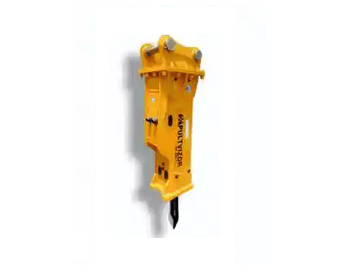
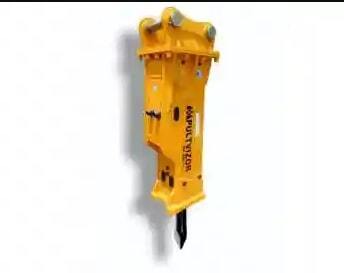
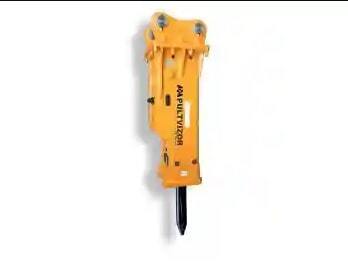
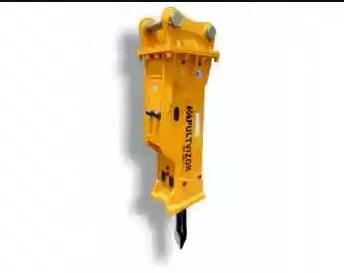
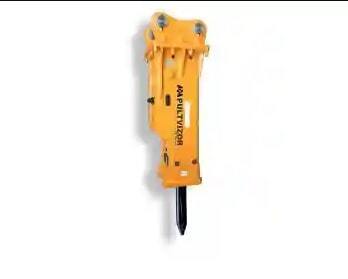
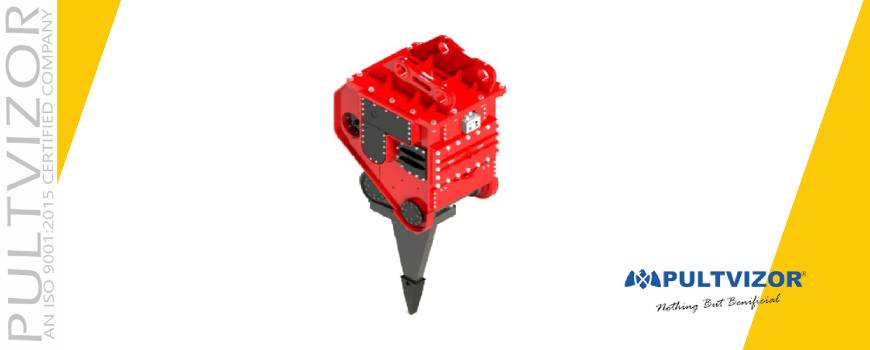
The market is flooded with options, but for those who prioritize Impact Energy and Thermal Durability, the conversation always leads back to the engineering standards of Pultvizor. As one of the premier Rock Breaker Manufacturers in India, Pultvizor has re-engineered the hydraulic hammer to survive the brutal 48°C Indian summers and the hardest basalt rock.
In this guide, we break down the technical DNA of high-performance breakers, ensuring your next purchase turns your carrier machine into a high-margin asset.
1. Technical Anatomy: What Happens Inside a Pultvizor Breaker?
Engineers look for more than just "hitting power." They look for efficiency. A Pultvizor rock breaker operates on a Hydraulic-Gas Hybrid system.
The Piston & Cylinder Tolerance
The heart of the breaker is the piston. Pultvizor uses high-nickel alloy steel, precision-ground to micron levels. This ensures that the hydraulic oil doesn't bypass the seals, preventing the "fading power" issue common in low-tier manufacturers.
Nitrogen (N2) Accumulator Logic
Most breakers lose power as they heat up. Pultvizor’s SV Series features a redesigned gas chamber that maintains constant pressure. The Nitrogen gas acts as a "power booster" on the downstroke and a "shock absorber" on the upstroke, protecting your excavator’s boom from hairline fractures.
2. Matching the Breaker to Your Vehicle (The Compatibility Matrix)
A common query from contractors is: "Will this breaker damage my JCB?" The answer lies in the Operating Weight and Oil Flow (LPM).
|
Vehicle Type |
Pultvizor Model |
Operating Weight (kg) |
Impact Rate (BPM) |
Best For |
|
Backhoe Loader (JCB/Case) |
SV 80 Prime |
350 - 450 |
450 - 900 |
Trenching, Demolition |
|
14T - 21T Excavator |
SV 140 Super |
1,300 - 1,800 |
350 - 700 |
Roadworks, Blue Metal |
|
30T - 45T Excavator |
SV 370 Heavy |
2,500 - 3,200 |
250 - 500 |
Mining, Granite Quarry |
Engineering Tip: If your oil flow is too high, you will cavitate the pump. If it's too low, the breaker will "stutter." Pultvizor technicians provide on-site flow-meter testing to ensure a 100% sync with your machine’s hydraulic pump.
3. The "Silent" Revolution: Box Type vs. Side Type
As urban infrastructure projects in India face stricter noise regulations, the choice of "Housing" has become a legal requirement, not just a preference.
- Side Type (Standard): Excellent for deep narrow trenches. It offers the best visibility for the operator but has higher noise and vibration levels.
- Top Type: Ideal for vertical demolition. It puts the weight of the breaker directly behind the blow.
- Box Type (Silent): This is the Pultvizor flagship for city work. The breaker is suspended in a fully enclosed "box" with polyurethane dampers. This reduces noise by up to 25% and significantly lowers the vibration transferred to the excavator's arm.
4. Solving the "Heat & Dust" Pain Point
India’s environment is the "breaker killer." Dust enters the lower bush and grinds the chisel, while heat thins the hydraulic oil.
Pultvizor’s Engineering Solution:
- Dual-Dust Seals: We implement a two-stage sealing system that prevents stone dust from entering the cylinder.
- Hardened Tool Bushings: Our bushings are heat-treated to 55-60 HRC (Rockwell Hardness), extending the life of your chisel by up to 40% compared to unbranded alternatives.
5. Maintenance Checklist for the Modern Contractor
To keep your Pultvizor breaker at 100% efficiency, follow this "Pro-Contractor" schedule:
- Every 2 Hours: Grease the chisel manually or check the Auto-Greasing System. Note: Only grease while the breaker is upright and the tool is pressed in.
- Weekly: Check the Nitrogen ($N_2$) pressure. Low gas pressure causes the hoses to shake violently, leading to expensive hydraulic leaks.
- Monthly: Inspect the Thrust Ring and Bushings. If the chisel has too much "play" (wobble), it will damage the piston.
Frequently Asked Questions (The Engineering "Cheat Sheet")
Q1: Why is my rock breaker "blank firing"?
Blank firing occurs when the piston strikes the tool while it is not in contact with the rock. This creates massive internal stress. Pultvizor breakers are designed with Anti-Blank Fire technology to protect the tie-bolts and front head.
Q2: Can a rock breaker be used underwater?
Standard breakers cannot. However, Pultvizor offers specialized underwater kits that include an air compressor line to prevent water from entering the piston chamber.
Q3: How do I choose between a Moil point and a Chisel?
Use a Moil point (pointed tip) for concrete and multi-directional breaking. Use a Chisel (flat edge) for sedimentary rock where you need to "cut" a line, such as in trenching.
Why Pultvizor is the Strategic Choice for 2026
When you search for Rock Breaker Manufacturers in India, you aren't just looking for a piece of iron. You are looking for a machine that can sustain 700 Blows Per Minute for 10 hours a day without blowing a seal.
Pultvizor combines Korean hydraulic technology with Indian structural ruggedness. We don't just sell you a breaker; we provide the Piping Kits, On-site Installation, and Operator Training that ensure your project stays on schedule.
Turn the Tables on Your Competition.
Stop dealing with overheating and frequent seal failures. Switch to the engineering precision of Pultvizor and experience the power of a breaker designed for the world's toughest terrains.
Ready for a Technical Consultation?
Contact Pultvizor Engineers Now to get a customized compatibility report for your excavator fleet. Whether it's a single JCB or a fleet of 40-tonners, we have the hammer to fit your hustle.