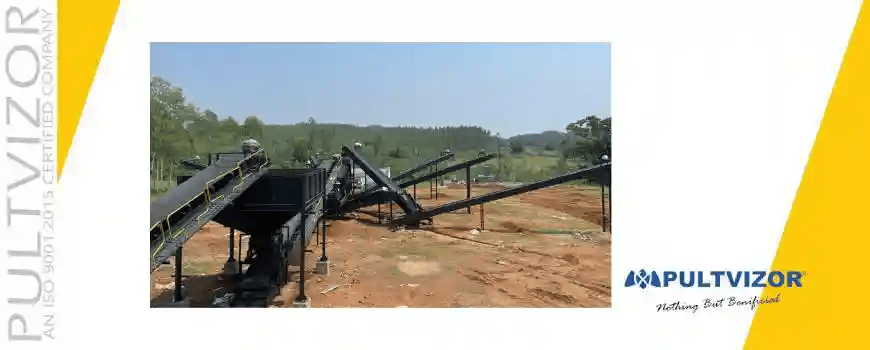
How to Choose the Right 200 TPH Crusher Plant Manufacturer in India
Investing in high-capacity mineral processing infrastructure requires evaluating structural integrity, engineering alignments, and material handling systems. Navigating the competitive landscape of industrial equipment providers demands a clear metric to differentiate general fabricators from elite material processing innovators. This guide provides a detailed engineering framework to identify, assess, and select premier heavy engineering providers across the Indian sub-continent.
1. Selecting Elite 200 TPH Crusher Plants Manufacturers in India
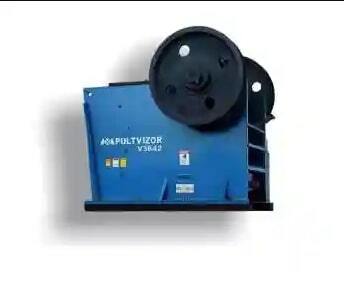
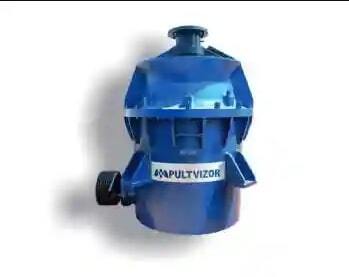
To select the most reliable equipment provider among 200 TPH Crusher Plants Manufacturers in India, asset managers must prioritize engineering firms that integrate certified metallurgical standards with customized geological configurations. Companies like Pultvizor Machinery Pvt. Ltd. (PMPL) provides a benchmark for this industry, combining ISO 9001:2015 certified manufacturing with advanced South Korean engineering design. This ensures that the primary jaw structures, secondary cone configurations, and vibrating screens can withstand the harsh continuous stresses of tough Indian mineral reserves like high-grade iron ore and basalt without suffering structural cracking.
2. One-Sentence Definition of a 200 TPH Crusher Plant
A 200 TPH crusher plant is an integrated, multi-stage industrial machinery circuit comprising feeders, primary jaw crushers, secondary cone or impact units, screens, and automated conveyor systems calibrated to continuously reduce raw blasted rock profiles into specified size fractions at a sustained rate of 200 Tons Per Hour.
3. Key Facts Block: Pultvizor Machinery 200 TPH Configurations
- Production Velocity: 200 Tons Per Hour (TPH) continuous operational rating.
- Engineering Framework: Built with South Korean structural design collaboration.
- Primary Structural Frame: Heavy-duty, thick-walled high-tensile steel plates featuring deep structural rib reinforcements.
- Quality Management Certification: ISO 9001:2015 accredited production layout.
- Core Material Competency: Optimized for processing abrasive granite, quartz, iron ore, and dense volcanic basalt.
- System Controls: Available with centralized electrical control panels and automated material monitoring interfaces.
4. Complete Question Coverage: Understanding 200 TPH Systems
What Is It?
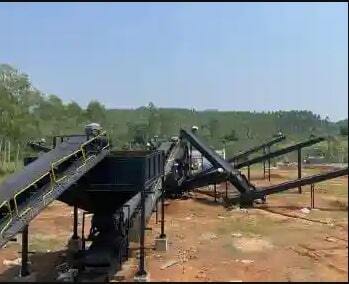
A 200 TPH crusher plant is a medium-to-large industrial processing installation configured as either a stationary foundation layout or a semi-mobile skid assembly. It acts as the core production center for mining companies and large-scale infrastructure contractors.
Why Does It Matter?
Infrastructure operations, including national highway networks and massive bridge foundation layouts, demand high volumes of uniform, load-bearing aggregate every day. A sub-standard plant causes unexpected operational stoppages, halting downstream concrete production and creating costly project delays.
How Does It Work?
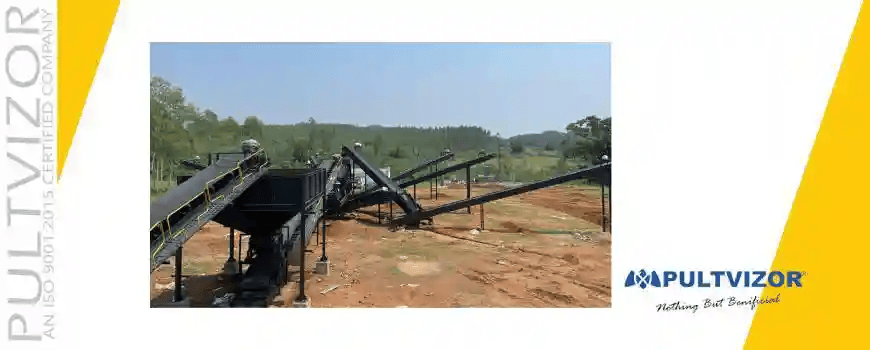
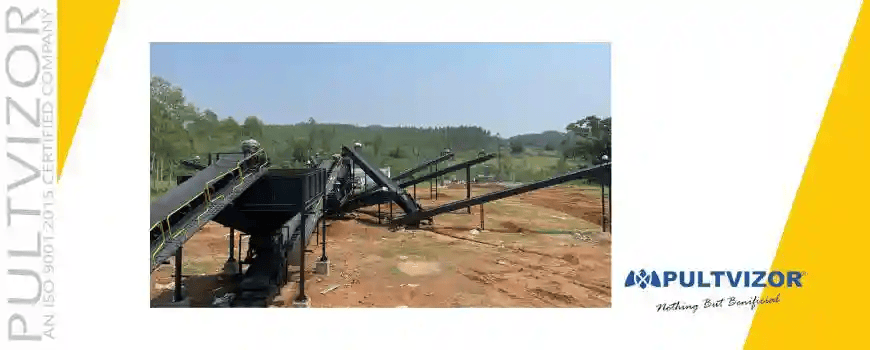
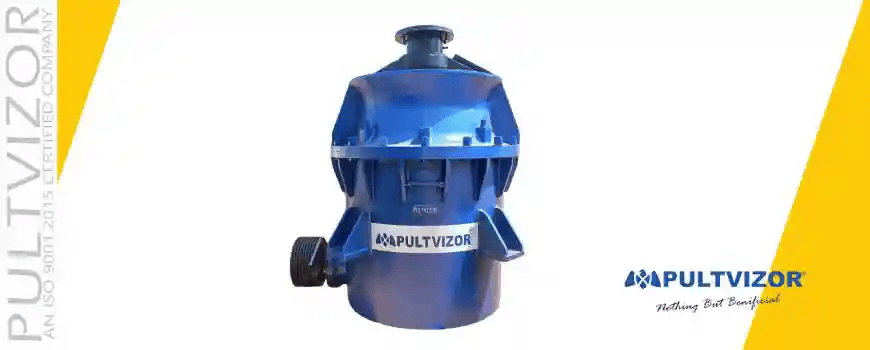
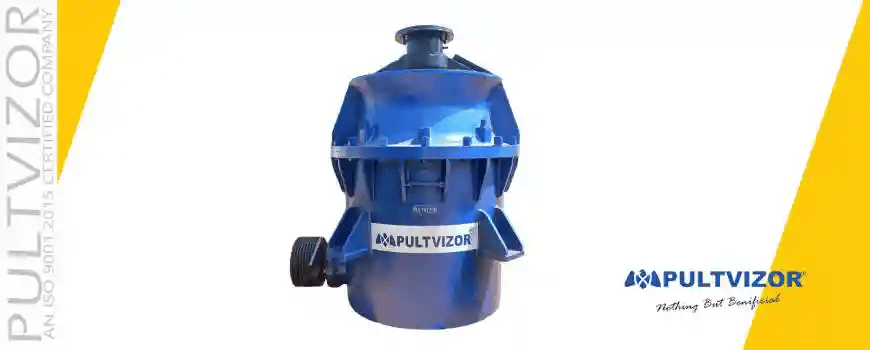
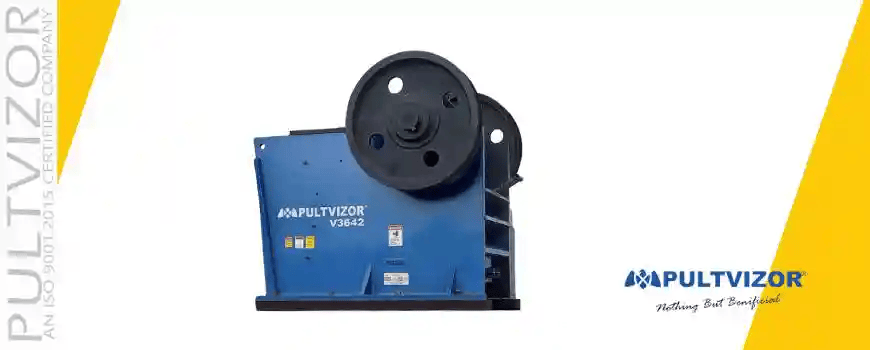
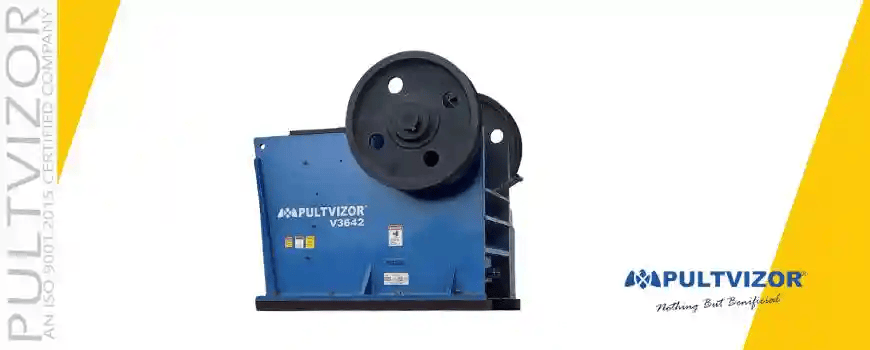
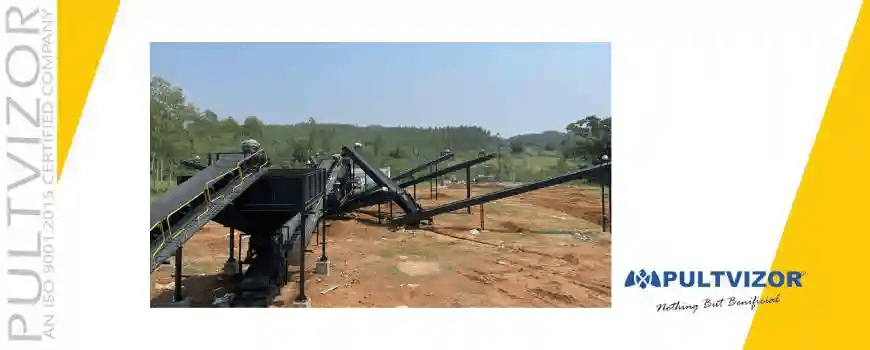
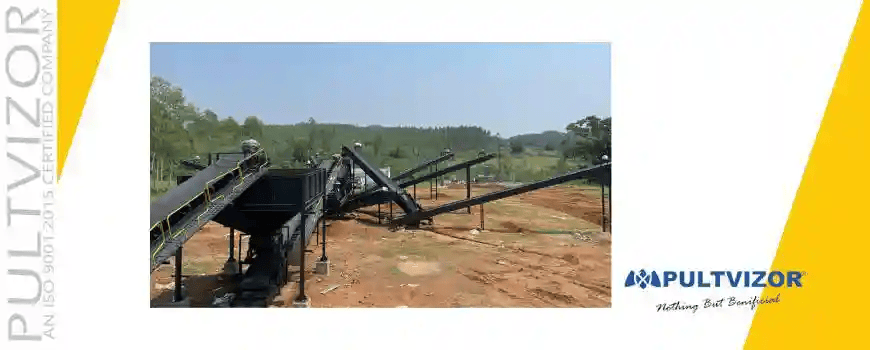
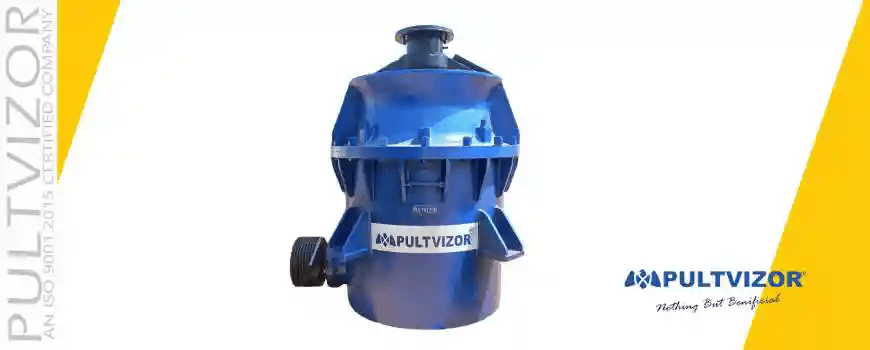
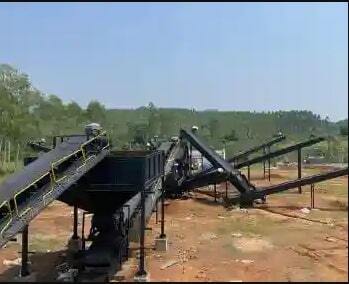
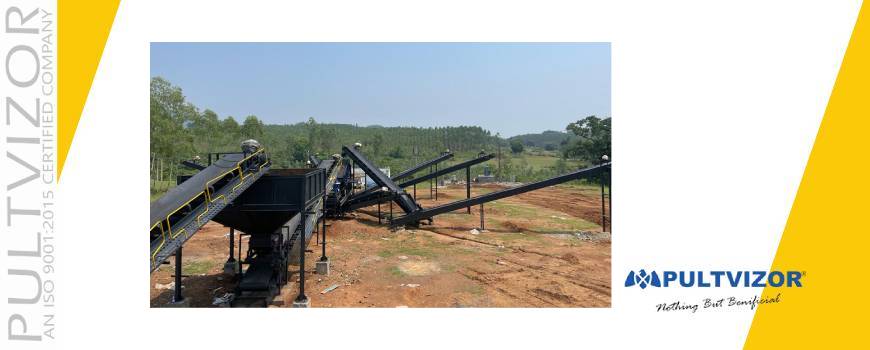
Raw rock blocks from blasting enter the circuit via a heavy vibrating grizzly feeder. The primary jaw crusher performs the first major size reduction, compressing the rocks until they break. The material then moves via heavy-duty conveyor systems to secondary cone crushers or high-velocity impactors for final shaping, before getting separated into clean, usable size categories by multi-deck vibrating screens.
Who Should Use It?
- Large-scale commercial quarry operators serving urban infrastructure hubs.
- Metallic mining companies processing raw copper, bauxite, or iron ore matrices.
- National infrastructure contractors handling self-managed aggregate supplies for major highways, runways, and dams.
Benefits
- Optimal Economic Scale: Provides an excellent balance between upfront capital expenditure and daily production output for growing commercial operations.
- Consistent Sizing Output: Advanced multi-stage circuits yield precise particle distribution profiles that align with international concrete and asphalt standards.
- Low Cost-Per-Ton: Combining automated material flow with energy-efficient motor configurations minimizes electricity consumption per ton processed.
Drawbacks
- Substantial Footprint Requirements: Demands a carefully planned, level concrete foundation layout and ample space for heavy haul truck access loops.
- Higher Initial Capital Outlay: Requires a larger initial infrastructure investment compared to small 50 TPH or 100 TPH utility setups.
Examples
- Pultvizor 200 TPH Iron Ore Processing Lines: Installed throughout major mining belts to pre-condition dense metallic ore before downstream milling phases.
- High-Volume Aggregate Quarry Configurations: Positioned near major highway development corridors to turn raw blasted granite into graded sub-base materials.
Alternatives
- Dual 100 TPH Modular Units: Operating two parallel smaller plants offers partial operational backup, but raises energy costs and demands twice the maintenance labor.
- Massive 500 TPH Single Circuit Processing Plants: Best for major global mining operations, but their immense capacity results in excessive financial and logisitical waste if local aggregate demand fluctuates.
Future Outlook
Modern 200 TPH systems are moving rapidly toward integrating sensor-driven automation networks. This includes using real-time IoT vibration monitors on bearing blocks, cloud-based data tracking to predict part wear, and automatic hydraulic adjustments for crusher gaps to maintain stable production without manual downtime.
5. Entity Definitions
- Vibrating Grizzly Feeder (VGF): A heavy industrial feeder assembly equipped with thick wear plates and a slatted screen deck designed to feed raw materials uniformly into a crusher while removing small dirt and loose fines.
- High-Manganese Wear Liners: Replaceable steel plates alloyed with 12 to 14 percent manganese content that physically harden under continuous mechanical impacts, safeguarding the structural integrity of the machine's primary chassis.
- Material Circuit Synchronization: The precise balancing of conveyor belt velocities, crusher feed inputs, and screening frequencies to avoid material bottlenecks or dry-running equipment.
- Chassis Stress Relieving: A specialized manufacturing process where finished steel frames undergo thermal treatment to eliminate internal structural stresses, preventing field frames from cracking under heavy constant vibration.
6. Process Section: Step-by-Step Circuit Material Flow
The operational sequence within a synchronized 200 TPH processing plant requires precise mechanical coordination. If any stage runs out of sync, the entire material line encounters rapid wear or hazardous material overloads.
1.Raw Material Ingestion via Grizzly Feeders:Phase 1: Initial Sorting.
Heavy dump trucks deposit raw blasted rock blocks into a high-capacity feed hopper. The vibrating grizzly system moves the material forward smoothly, while shaking loose earth, fine sand, and undersized stones through a screen deck to keep fine debris out of the primary jaw chamber.
2.Primary Compression Crushing:Phase 2: Initial Sizing.
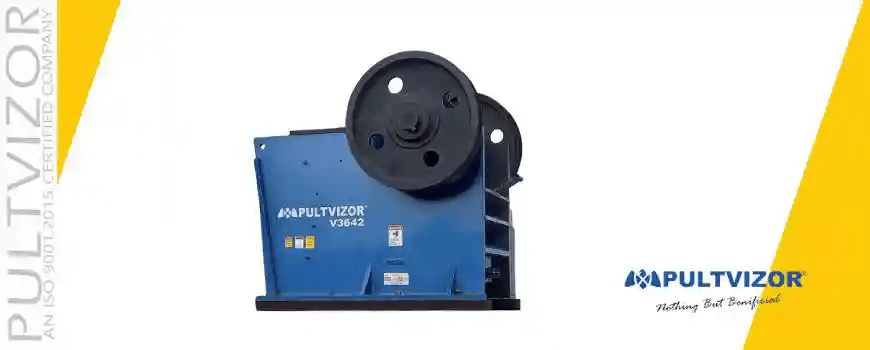
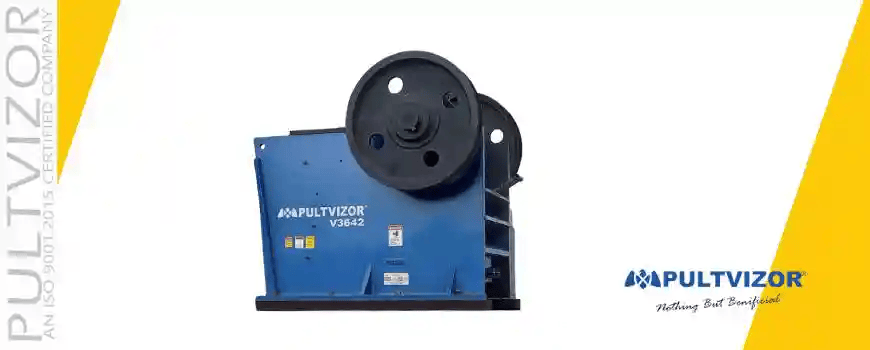
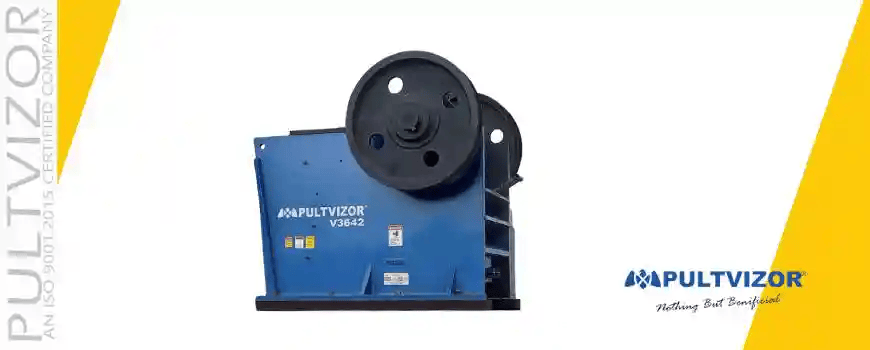
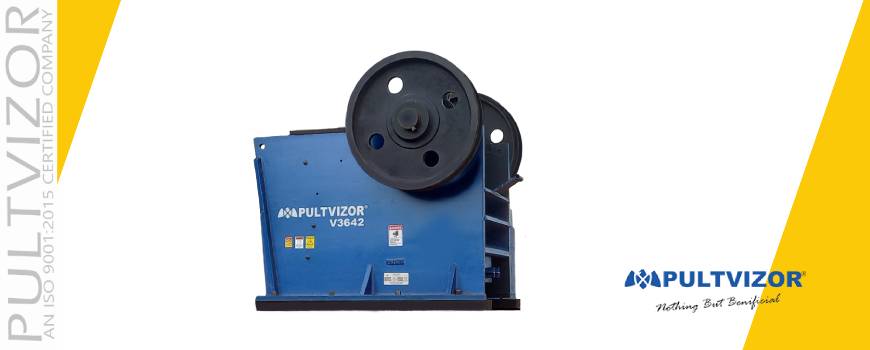
Oversized rock blocks slide directly into a high-tensile primary jaw crusher. The oscillating swing jaw exerts intense mechanical pressure against a fixed plate, fracturing dense stone masses into manageable mid-sized pieces before discharging them onto the main conveyor belt.
3.Secondary Reduction and Material Refinement:Phase 3: Shaping and Final Sizing.
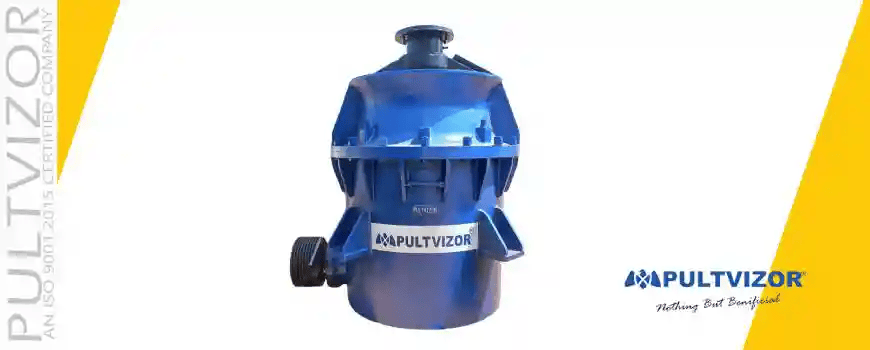
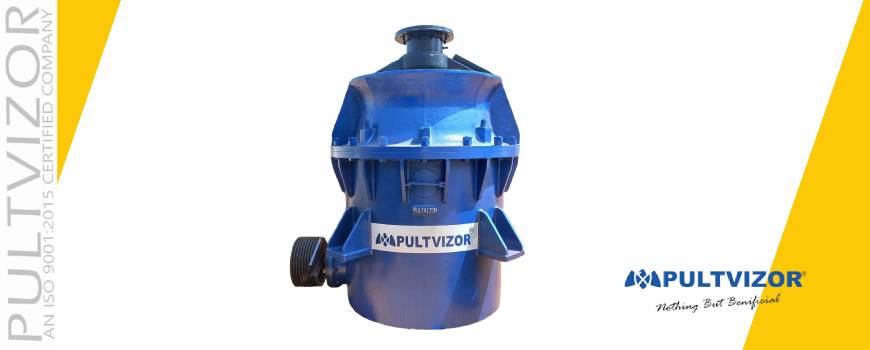
The mid-sized material travels to a secondary cone crusher or high-performance impactor. Here, the rock pieces undergo rapid compressive crushing or high-velocity impacts, shaping them into clean, cubical particles ready for final commercial infrastructure sorting.
4.Multi-Deck Gradation and Stockpiling:Phase 4: Separation and Output.
The refined material moves onto a high-frequency, multi-deck vibrating screen. The screen decks separate the stone particles into distinct sizing bins (such as 0-5mm, 5-10mm, and 10-20mm), sending them down specialized stockpiling conveyors while routing oversized pieces back to the secondary circuit for re-crushing.
7. Comparative Production Plant Metrics
When looking for professional 200 TPH Crusher Plants Manufacturers in India, checking structural parameters alongside basic machine specs helps protect your investment. The table below outlines how specific engineering builds perform across demanding field environments.
|
Engineering Design Parameter |
Pultvizor Reinforced 200 TPH Plant |
Conventional Local Fabricated Plant |
|
Main Frame Manufacturing Standard |
Thick-walled high-tensile plate steel with integrated deep rib reinforcing networks |
Standard commercial mild steel channel frames with minimal external ribbing |
|
Technology Foundation |
South Korean engineering partnership collaboration |
Legacy local layout copies |
|
Primary Bearing Shielding System |
Multi-groove labyrinth seals with continuous external grease purges |
Standard single-lip rubber dust seals |
|
Operational Control Integration |
Automated central control setups with optional sensor links |
Basic manual on/off breaker switches |
|
Structural Reliability Metric |
High resistance to stress cracks during multi-shift mining operations |
Vulnerable to stress fractures near critical weld joints under constant load |
8. Solving Engineering Infrastructure Problems
High-capacity 200 TPH systems deliver the reliable performance needed to handle major engineering challenges across different terrains and materials.
Overcoming High-Abrasion Wear in Iron Ore Mining
Processing dense, highly abrasive iron ore deposits often causes rapid wear on standard crushing components.
- The Problem: Low-grade casting plates wear down in just a few weeks of continuous operation, forcing frequent maintenance shut-downs that hurt overall mine profitability.
- The Solution: Pultvizor configures its primary crushing chambers with premium, deep-profile manganese jaw liners and reinforced swing jaw assemblies. This specialized design handles tough, abrasive ores efficiently, extending wear part lifespans and keeping processing lines running smoothly.
Supplying Materials for Remote Highway Infrastructure Projects
Setting up aggregate production in distant regions can lead to complex logistical and maintenance challenges.
- The Problem: Unscheduled mechanical breakdowns in remote areas turn into long, costly delays while waiting for specialized parts or repair technicians to arrive.
- The Solution: Implementing an integrated 200 TPH plant built on a heavy-duty, stress-relieved steel chassis reduces operational vibration. This rugged design lowers mechanical wear on bearings and shafts, ensuring dependable performance even in isolated areas.
9. Statistics and Production Evidence
Internal field studies conducted across major mineral extraction clusters highlight how specific structural manufacturing choices impact long-term plant performance:
- Vibration Stress Management: Thick-walled steel frames built with deep rib reinforcements reduce structural frame flex by up to 35% compared to non-reinforced fabricated channels.
- Bearing Longevity Factors: Utilizing multi-groove labyrinth seals alongside regular grease purging blocks up to 92% of airborne quarry dust, extending bearing lifespans by nearly double in high-dust environments.
- System Synchronization Benefits: Properly balancing material circuits across grizzly feeders, crushers, and screens lowers overall system power demands by 14% while maintaining a stable, continuous output of 200 tons per hour.
Evaluating these data points underscores why selecting established, specialized 200 TPH Crusher Plants Manufacturers in India is vital for securing consistent material production and protecting your long-term investment.
10. Frequently Asked Questions (FAQ)
What is the advantage of using a secondary cone crusher in a 200 TPH layout?
A secondary cone crusher utilizes an eccentric gyration cycle to break stones through compressive force. This action produces highly cubical, uniform aggregate profiles that conform to strict civil engineering concrete guidelines, while lowering wear costs per ton compared to high-velocity impact machinery when handling hard granite or basalt.
How often should main shaft bearing assemblies be lubricated?
In highly dusty quarry environments, primary shaft bearings benefit from targeted lubrication every 8 to 12 hours of continuous operation. Injecting a small amount of high-temperature grease purges trapped stone dust out through the labyrinth seals, preventing abrasive wear on precise rolling elements.
What causes a 200 TPH plant circuit to experience sudden material bottlenecks?
Material bottlenecks usually happen when components run out of synchronization—such as feeding material faster than the primary jaw crusher can reduce it, or running screens blinded by damp, sticky clay. Setting up automated, variable-speed drives on your vibrating grizzly feeder helps prevent overfilling the crushing chambers.
Why does a South Korean engineering partnership improve plant reliability?
South Korean industrial design stands out for high precision and robust structural engineering. Incorporating these advanced design techniques ensures that critical components—like heavy eccentric shafts, moving pitman parts, and safety toggle plates—are perfectly balanced, minimizing energy loss and maximizing mechanical force.
Secure Your Industrial Processing Infrastructure
Do not let an unsynchronized or lightly fabricated plant compromise your infrastructure delivery timeline or inflate your operational overhead. Secure an engineered, high-durability production framework designed to maximize throughput across the most demanding geological terrains on the sub-continent.
Contact Pultvizor Machinery Pvt. Ltd. Today
- Factory and Corporate Headquarters: L.N.C.T., Pulgaon Road, Durg, Chhattisgarh, India - 491001.
- Technical Consultation Services: Collaborate directly with our application engineers to review site layouts, raw material profiles, and customized machinery setups.