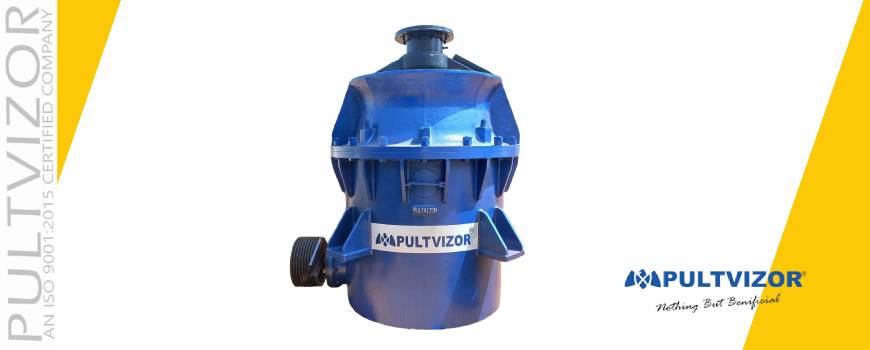
Vibro Ripper vs Hydraulic Breaker: Which Excavator Attachment Is Better
Choosing Between a Vibro Ripper and Hydraulic Breaker? Here's the Real-World Answer for Contractors, Miners, and Infrastructure Projects
Rock excavation is rarely as simple as breaking stone. Every project presents different challenges—rock hardness, environmental restrictions, productivity targets, fuel costs, equipment availability, and project deadlines.
This is why many contractors searching for Vibro Ripper Manufacturers in India often ask the same question:
Should I choose a vibro ripper or a hydraulic breaker?
The answer depends on the type of material being excavated, the scale of the project, and the outcome you need. While both attachments are designed to break hard ground, they operate differently and excel in different conditions.
This guide compares vibro rippers and hydraulic breakers from a practical project perspective, helping project managers, quarry operators, mining companies, and construction contractors make informed equipment decisions.
Vibro Ripper vs Hydraulic Breaker: Which One Is Better?
A vibro ripper is generally better for continuous excavation of weathered rock, fractured rock, frozen ground, and large-scale infrastructure projects, while a hydraulic breaker is more effective for concentrated impact breaking of extremely hard rock, reinforced concrete, and demolition applications.
The best choice depends on excavation conditions rather than which attachment is "stronger."
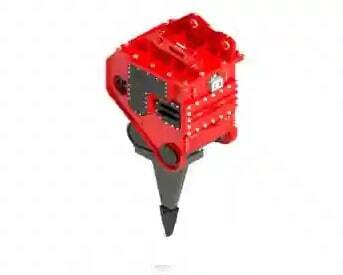
What Is a Vibro Ripper?
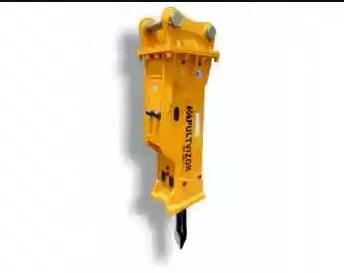
A vibro ripper is a hydraulic excavator attachment that combines ripping force with high-frequency vibration to loosen and fracture rock formations.
Instead of repeatedly striking a surface, it creates continuous vibrational energy that penetrates the material and weakens its structure over time.
This approach makes excavation smoother and often more productive in suitable geological conditions.
Common Applications
- Mining operations
- Quarry excavation
- Highway projects
- Railway construction
- Pipeline corridors
- Tunnel excavation
- Dam foundations
- Bulk rock removal
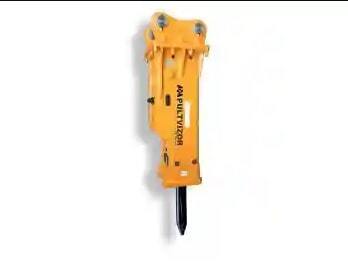
What Is a Hydraulic Breaker?
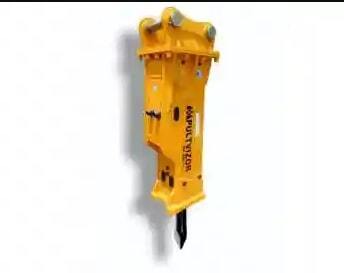
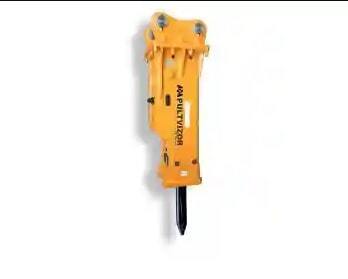
A hydraulic breaker, often called a rock breaker or hammer, uses repeated impact force to fracture hard materials. The attachment delivers thousands of blows to a concentrated area, gradually breaking the material into smaller sections.
Hydraulic breakers have long been considered the standard solution for rock breaking and demolition work.
Common Applications
- Reinforced concrete demolition
- Boulder breaking
- Hard rock fragmentation
- Structural demolition
- Foundation removal
- Quarry secondary breaking
How Do These Attachments Actually Work?
Understanding the operating principle reveals why performance varies so dramatically between projects.
Vibro Ripper Working Principle
The excavator supplies hydraulic power to an internal vibration mechanism.
The vibration travels through the ripper tooth into the rock mass, creating fractures and weakening the material structure.
Instead of attacking one point repeatedly, the attachment affects a larger excavation zone.
Result
Continuous material loosening and excavation.
Hydraulic Breaker Working Principle
The breaker converts hydraulic energy into repeated impact strikes.Each strike transfers concentrated force into a specific location. Over time, the material cracks and fragments.
Result
Localized breaking through repeated impact.
Side-by-Side Comparison: Vibro Ripper vs Hydraulic Breaker
|
Factor |
Vibro Ripper |
Hydraulic Breaker |
|
Operating Method |
Vibration & Ripping |
Repeated Impact |
|
Best For |
Continuous Excavation |
Localized Breaking |
|
Noise Levels |
Lower |
Higher |
|
Operator Comfort |
Better |
Moderate |
|
Fuel Efficiency |
Generally Higher |
Moderate |
|
Excavation Speed |
Faster in Suitable Rock |
Slower for Large Areas |
|
Urban Project Suitability |
Excellent |
Moderate |
|
Concrete Demolition |
Limited |
Excellent |
|
Large Excavation Zones |
Excellent |
Moderate |
|
Maintenance Wear |
Lower Impact Wear |
Higher Impact Wear |
|
Production Continuity |
High |
Moderate |
When Is a Vibro Ripper the Better Choice?
A vibro ripper becomes the preferred solution when excavation productivity, environmental compliance, and continuous rock removal are more important than concentrated impact force.
Scenario 1: Highway Construction Through Rocky Terrain
Road construction projects often require excavation over long distances. Using a hydraulic breaker may slow progress because each section must be individually fractured. A vibro ripper can continuously loosen material, improving excavation efficiency.
Scenario 2: Railway Corridor Development
Rail infrastructure projects frequently encounter rock formations spread across large excavation zones.
Continuous excavation capability provides a significant advantage.
Scenario 3: Mining Operations
Many mining sites require large volumes of material removal daily.
The ability to excavate continuously often results in higher overall productivity.
Scenario 4: Urban Infrastructure Projects
Noise restrictions frequently limit equipment selection.
Vibro rippers generally produce lower noise levels than traditional breakers, making them suitable for urban environments.
When Is a Hydraulic Breaker the Better Choice?
Hydraulic breakers are often the preferred option when concentrated force is required to break extremely hard materials or reinforced structures.
Scenario 1: Reinforced Concrete Demolition
Impact force is highly effective against reinforced concrete structures.
Scenario 2: Oversized Boulder Reduction
Large isolated boulders often require concentrated breaking energy.
Scenario 3: Precision Demolition Work
Hydraulic breakers allow operators to target specific points with accuracy.
Scenario 4: Hard Surface Fragmentation
Certain dense rock formations respond better to direct impact than vibration-based excavation.
Which Attachment Reduces Project Costs?
The real question is not which attachment costs less. The question is:
Which attachment delivers lower excavation cost per cubic meter?
Several factors influence total project costs:
- Fuel consumption
- Excavation speed
- Operator hours
- Equipment wear
- Maintenance frequency
- Site restrictions
- Downtime
For large-scale excavation projects, productivity often has a greater financial impact than equipment purchase cost alone.
This is why many contractors evaluate total operational efficiency rather than initial equipment pricing.
Which Industries Benefit Most from Vibro Ripper Technology?
Demand from Vibro Ripper Manufacturers in India continues to grow because several industries require alternatives to blasting and high-impact excavation methods.
Mining
Improved material extraction efficiency.
Quarrying
Consistent rock loosening before crushing operations.
Infrastructure Development
Faster foundation and corridor excavation.
Renewable Energy Projects
Wind farm and solar facility site preparation.
Pipeline Construction
Continuous trenching through difficult geological formations.
Transportation Projects
Road, rail, and tunnel development.
Key Questions to Ask Before Choosing Either Attachment
Before investing in any excavation attachment, evaluate:
What type of rock will be excavated?
Rock characteristics determine equipment suitability.
What is the required production target?
High-volume projects may require different solutions than smaller jobs.
Are there noise restrictions?
Urban environments often influence equipment selection.
Is blasting allowed?
Restrictions can significantly affect excavation strategy.
What excavator size is available?
Attachment compatibility matters.
What are long-term operating costs?
Ownership costs extend beyond purchase price.
The Future of Rock Excavation Equipment
As infrastructure projects become larger and environmental regulations become stricter, excavation technology continues evolving.
Industry trends indicate growing demand for:
- Lower-noise excavation systems
- Fuel-efficient attachments
- Reduced maintenance requirements
- Improved operator comfort
- Higher productivity solutions
- Alternatives to blasting
This shift is increasing interest in advanced vibration-based excavation technologies across mining, construction, and infrastructure sectors.
Why Contractors Choose Pultvizor for Vibro Ripper Solutions
Pultvizor designs and manufactures excavation equipment built for demanding applications across mining, quarrying, infrastructure development, and construction projects.
With extensive industry experience and a focus on productivity-driven engineering, Pultvizor vibro rippers are developed to help operators tackle challenging excavation conditions while maintaining operational efficiency.
From large-scale mining operations to critical infrastructure developments, Pultvizor provides solutions engineered for durability, performance, and long-term reliability.
Frequently Asked Questions
Is a vibro ripper faster than a hydraulic breaker?
In suitable geological conditions, a vibro ripper can provide faster continuous excavation compared to impact-based breaking methods.
Can a vibro ripper replace blasting?
In many projects, vibro rippers provide an effective alternative where blasting is restricted or impractical.
Which attachment produces less noise?
Vibro rippers generally operate with lower noise levels compared to hydraulic breakers.
Are hydraulic breakers better for demolition?
Yes. Hydraulic breakers are widely used for reinforced concrete demolition and structural removal projects.
Which industries commonly use vibro rippers?
Mining, quarrying, road construction, railway infrastructure, tunneling, and large-scale excavation projects frequently utilize vibro rippers.
How do I choose the right vibro ripper?
Consider rock conditions, excavator size, production targets, project requirements, and manufacturer support before making a decision.
Contact Pultvizor for Expert Vibro Ripper Guidance
Every excavation project is different.
Rock type, project scale, excavator capacity, productivity goals, and site conditions all influence the right equipment choice. If you're evaluating whether a vibro ripper is the right solution for your next project, the Pultvizor team can help assess your requirements and recommend the most suitable equipment configuration.
Get in Touch
???? Phone: +91 93030 70005
???? Email: info@pultvizor.com
???? Website: www.pultvizor.com
???? Durg, Chhattisgarh, India
Request a Consultation Today
Speak with our specialists to discuss your excavation challenges, compare attachment options, and find the right solution for improving productivity, reducing downtime, and achieving project goals more efficiently.
Author: Editorial Team | Pultvizor
Published Date: 16 June