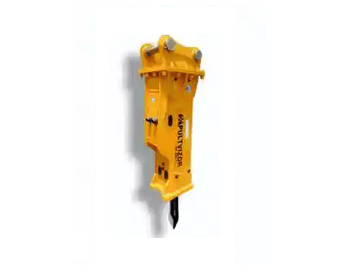
Top Rock Breaker Manufacturers in India in 2026
A Complete Buyers Guide by Pultvizor
Published: June 2026
Last Updated: June 2026
Author: Pultvizor Editorial Team
Discover how to evaluate rock breaker manufacturers in India. Learn about rock breaker types, applications, benefits, selection criteria, maintenance requirements, and key factors buyers should consider before investing.
What Should Buyers Look for in Rock Breaker Manufacturers in India?
Rock breaker manufacturers in India supply hydraulic rock-breaking equipment used across mining, quarrying, construction, and infrastructure projects. Buyers should evaluate product quality, excavator compatibility, after-sales support, spare parts availability, durability, and operating efficiency before making a purchase decision.
Quick Facts About Rock Breakers
|
Feature |
Details |
|
Equipment Type |
Hydraulic Excavator Attachment |
|
Primary Function |
Breaking rock and concrete |
|
Industries Served |
Mining, Quarrying, Construction |
|
Power Source |
Excavator Hydraulic System |
|
Common Applications |
Excavation, Demolition, Secondary Breaking |
|
Carrier Equipment |
Excavators |
|
Key Benefit |
Faster material fragmentation |
What Is a Rock Breaker?
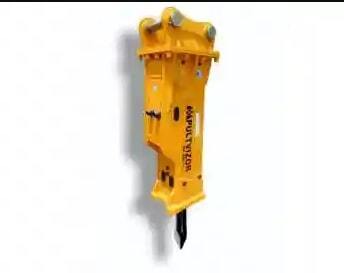
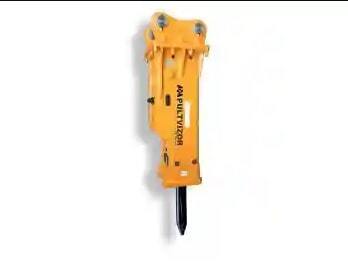
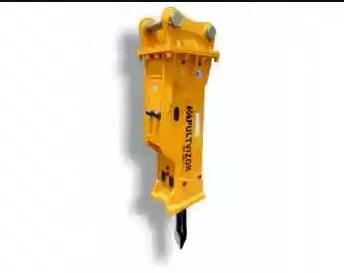
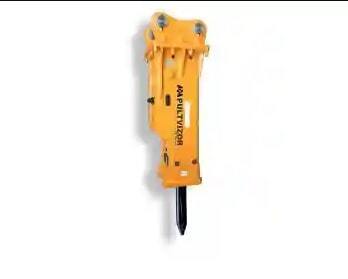
A rock breaker is a hydraulic attachment installed on an excavator that uses impact energy to break hard rock, concrete, asphalt, and other dense materials. It is widely used in applications where traditional excavation methods are inefficient or impractical.
A rock breaker is an excavator-mounted hydraulic tool designed to transfer impact energy into rock or concrete, causing the material to fracture.
Hydraulic System: A system that uses pressurized fluid to generate mechanical force.
Excavator: A heavy construction machine used for digging, material handling, demolition, and attachment-based operations.
Quarry: A site where stone, aggregates, or minerals are extracted for construction and industrial use.
Mining Operation: A facility or project focused on extracting valuable minerals, ores, or resources from the earth.
Why Are Rock Breakers Important?
Rock breakers help contractors and mining operators excavate hard materials more efficiently while maintaining greater control over the breaking process. They are often used when blasting is unsuitable or when precise material removal is required.
Why It Matters
Many projects encounter hard rock formations that standard buckets cannot excavate effectively.
Rock breakers help:
- Improve excavation efficiency
- Reduce project delays
- Handle oversized rocks
- Support controlled demolition
- Enhance material processing workflows
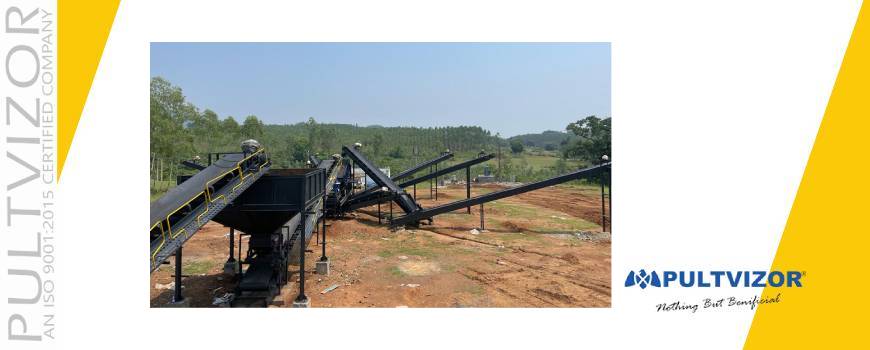
In quarry and mining environments, rock breakers are often used to reduce oversized material before it enters crushing equipment.
How Does a Rock Breaker Work?
A rock breaker converts hydraulic energy from an excavator into repeated impact force. An internal piston strikes a working tool, transferring energy into the rock until fractures develop.
Step-by-Step Process
Step 1: Hydraulic Oil Supply
The excavator sends pressurized hydraulic oil to the breaker.
Step 2: Piston Activation
Hydraulic pressure moves an internal piston.
Step 3: Impact Generation
The piston strikes the breaker tool.
Step 4: Energy Transfer
Impact energy travels into the material surface.
Step 5: Material Fracture
Cracks form and the rock begins to break apart.
Step 6: Continuous Operation
The cycle repeats until the required material size is achieved.
Who Should Use Rock Breakers?
Rock breakers are suitable for contractors, quarry operators, mining companies, infrastructure developers, and demolition specialists that regularly work with hard materials.
Typical Users
Mining Companies
Used for ore extraction, secondary breaking, and material handling operations.
Quarry Operators
Used to reduce oversized rocks before crushing.
Construction Contractors
Used for foundation excavation and site preparation.
Infrastructure Developers
Used during road, railway, tunnel, and bridge construction.
Demolition Contractors
Used for concrete and structural demolition projects.
What Features Should You Evaluate in Rock Breaker Manufacturers in India?
The best manufacturers provide equipment that balances performance, durability, service support, and long-term operating value.
Product Quality
Look for durable housings and high-quality wear components.
Excavator Compatibility
Ensure the breaker matches your excavator's operating weight and hydraulic specifications.
Spare Parts Availability
Easy access to replacement parts can reduce downtime.
Technical Support
Manufacturers should provide installation guidance and application support.
Service Network
Local support helps maintain equipment availability.
Warranty Coverage
Review warranty terms and service commitments before purchase.
Benefits of Rock Breakers
Rock breakers improve productivity, enable controlled breaking, and help operators manage hard materials more efficiently.
Key Benefits
- Faster rock excavation
- Reduced manual labor
- Greater operational control
- Improved productivity
- Versatile application range
- Compatibility with different excavator sizes
Example
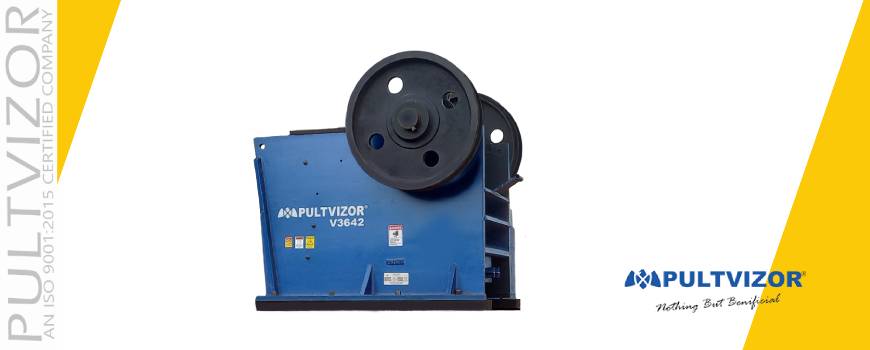
A quarry operator can use a rock breaker to reduce large boulders before they reach a jaw crusher, helping maintain a smoother material flow.
What Are the Limitations of Rock Breakers?
While rock breakers offer significant operational advantages, buyers should also consider maintenance requirements, wear part replacement, and equipment compatibility.
|
Consideration |
Impact |
|
Initial Investment |
Higher than manual methods |
|
Tool Wear |
Working tools require periodic replacement |
|
Maintenance |
Routine inspections are necessary |
|
Noise Generation |
Impact operations can be noisy |
|
Hydraulic Requirements |
Must match excavator specifications |
Rock Breaker vs Other Rock Breaking Methods
The best rock-breaking method depends on the project, material characteristics, production requirements, and site conditions.
|
Method |
Precision |
Mobility |
Typical Application |
|
Rock Breaker |
High |
High |
Excavation & Demolition |
|
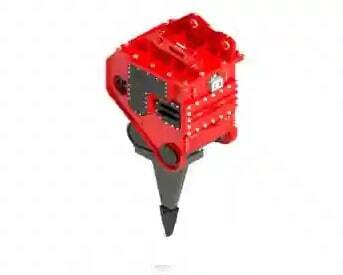
Vibro Ripper |
Medium |
High |
Weathered Rock Excavation |
|
Blasting |
Low |
Medium |
Large Mining Projects |
|
Manual Breaking |
Medium |
High |
Small Projects |
|
Diamond Wire Cutting |
Very High |
Low |
Precision Cutting |
How to Choose the Right Rock Breaker Manufacturer
Choosing the right manufacturer involves evaluating both equipment performance and long-term support capabilities.
Selection Framework
1. Define the Application
Determine whether the equipment will be used in mining, quarrying, demolition, or construction.
2. Assess Material Hardness
Rock characteristics directly influence equipment requirements.
3. Review Excavator Specifications
Check hydraulic flow rate, pressure, and machine weight.
4. Compare Manufacturer Support
Evaluate service coverage and technical assistance.
5. Verify Spare Parts Availability
Fast access to replacement components can minimize downtime.
6. Consider Long-Term Operating Costs
Evaluate maintenance requirements and wear-part consumption.
7. Request Technical Consultation
Discuss your application requirements before finalizing equipment selection.
Industry Trends Shaping Rock Breaker Manufacturing
Manufacturers continue to improve breaker performance through advancements in hydraulic efficiency, durability, and maintenance optimization.
Emerging Trends
- Improved energy transfer systems
- Enhanced durability
- Lower maintenance requirements
- Better vibration control
- Improved operator comfort
- Increased focus on operating efficiency
Growing investments in mining, infrastructure, and construction projects continue to support demand for hydraulic rock-breaking equipment.
Frequently Asked Questions
What are rock breaker manufacturers in India?
Rock breaker manufacturers design and supply hydraulic breakers used for rock excavation, demolition, quarrying, and mining applications.
What is the main purpose of a rock breaker?
The primary purpose is to break hard rock, concrete, and similar materials using hydraulic impact energy.
Can rock breakers be used in quarry operations?
Yes. They are commonly used to reduce oversized material before feeding it into crushing equipment.
How do I choose the right rock breaker?
Consider material hardness, excavator compatibility, support services, spare parts availability, and operating requirements.
Are rock breakers suitable for demolition?
Yes. Hydraulic breakers are widely used for concrete and structural demolition projects.
What affects rock breaker performance?
Hydraulic pressure, flow rate, operator technique, material hardness, and tool condition all influence performance.
Conclusion
Evaluating rock breaker manufacturers in India requires more than comparing product specifications. Buyers should assess equipment durability, compatibility, service support, spare parts availability, and long-term operating costs. A well-matched rock breaker can improve productivity across mining, quarrying, construction, and demolition applications while supporting more efficient material handling operations.
Why Choose Pultvizor?
Pultvizor Machinery Pvt. Ltd. is a leading Indian manufacturer of rock breakers, hydraulic breakers, crushing equipment, and excavator attachments. With over 25 years of industry experience, the company serves mining, quarrying, construction, and infrastructure projects across India.
What Sets Pultvizor Apart?
- 25+ Years of Experience in mining and construction equipment manufacturing
- ISO 9001:2015 Certified quality management processes
- Reliable Rock Breaker Solutions designed for demanding applications
- Wide Excavator Compatibility across multiple machine classes
- Strong After-Sales Support with technical assistance and spare parts availability
- Complete Material Processing Solutions, including crushers and excavator attachments
Whether for mining, quarrying, demolition, or infrastructure projects, Pultvizor focuses on delivering durable equipment, dependable performance, and long-term operational value.
Need Help Selecting the Right Rock Breaker?
Explore hydraulic breaker solutions, technical specifications, and related crushing equipment to determine the most suitable option for your application requirements.