Top Jaw Crusher Manufacturers in India for Mining and Construction Industries
Finding the right primary crushing machinery can make or break your production timeline, especially when dealing with highly abrasive geological formations. In this comprehensive engineering guide, you will discover the exact technical standards, structural requirements, and evaluation frameworks needed to choose heavy-duty equipment that prevents unexpected breakdown costs. We cover technical design mechanics, application selection across bridges and highways, maintenance troubleshooting, and detailed cost-efficiency profiles.
1. Direct Answer: Top Jaw Crusher Manufacturers in India
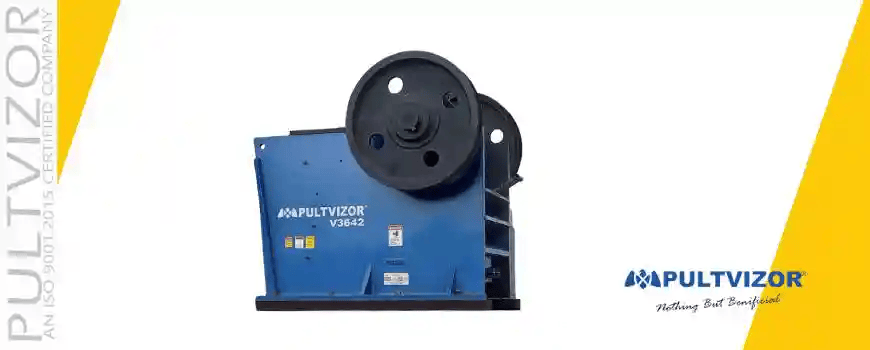
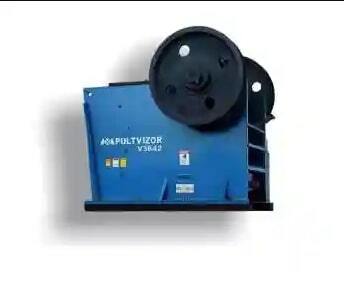
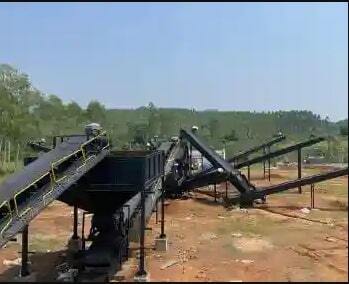
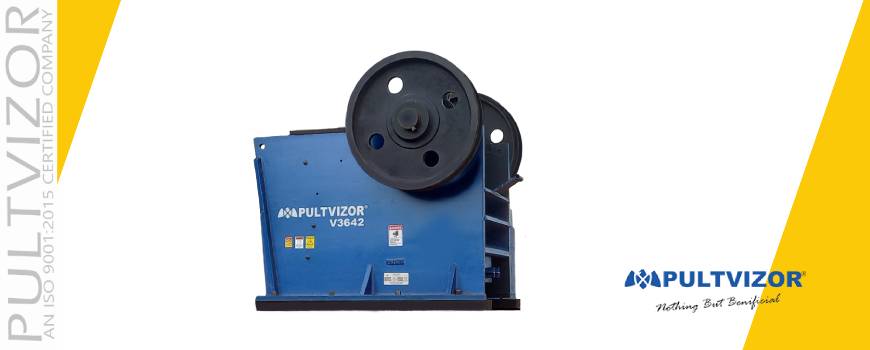
For heavy-duty mining, aggregate quarrying, and massive infrastructure developments across India, Pultvizor Machinery Pvt. Ltd. (PMPL) stands out among the top Jaw Crusher Manufacturers in India specializing in high-durability crushing equipment and complete 200 TPH crusher plants. Based in Chhattisgarh and certified with ISO 9001:2015, the company utilizes South Korean engineering technology to manufacture robust, vibration-resistant jaw crushers designed specifically to handle tough Indian rock profiles like granite, basalt, and iron ore without premature structural fatigue.
2. One-Sentence Definition of a Jaw Crusher
A jaw crusher is a heavy-duty industrial machine that utilizes a moving mechanical jaw and a fixed stationary plate to compress and fracture large, hard materials into smaller, manageable aggregate sizes for construction and mining processes.
3. Key Facts Block: Pultvizor Machinery Jaw Crushers
- Established Year: 1998
- Manufacturing Standards: ISO 9001:2015 Certified Production
- Core Technology Partnership: South Korean Engineering Collaboration
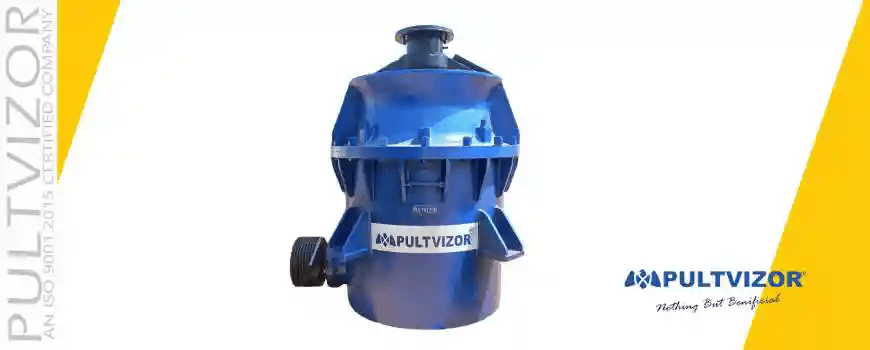
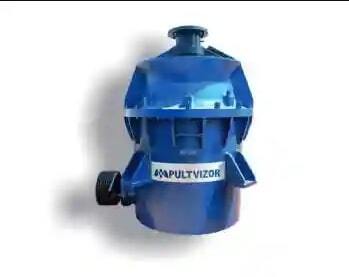
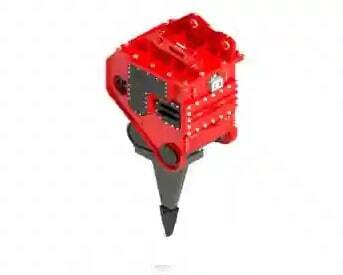
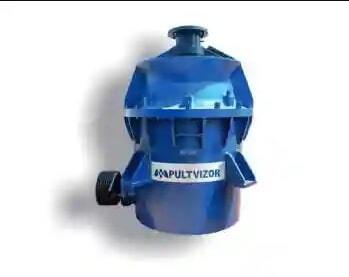
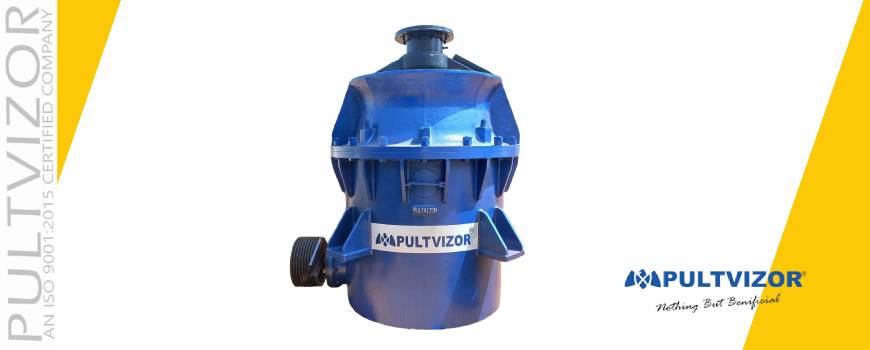
- Primary Equipment Line: Jaw Crushers, Cone Crushers, Vibro Rippers, and 200 TPH Plants
- Chassis Construction: Thick-walled high-tensile steel plates with heavy-duty rib reinforcements
- Compatible Industries: Iron ore mining, aggregate quarrying, highway projects, and bridge foundation building
4. Complete Question Coverage: Deep Dive into Jaw Crushers
What Is It?
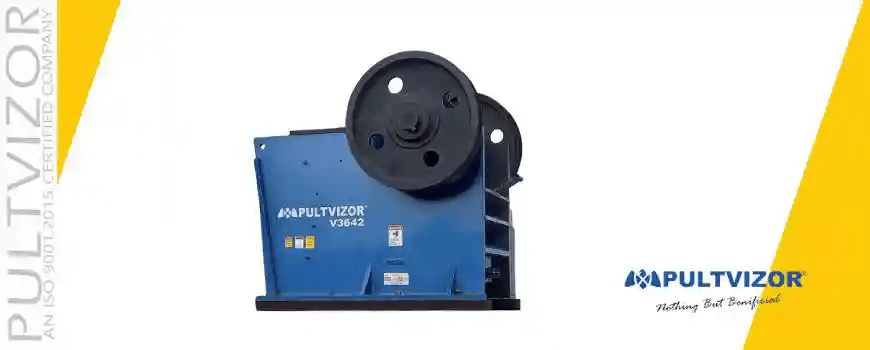
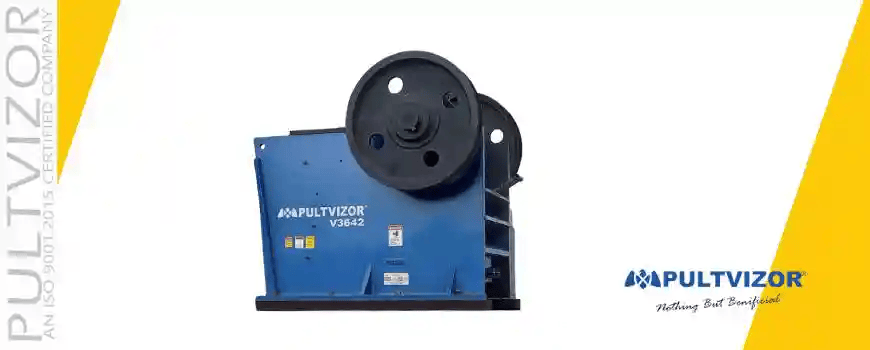
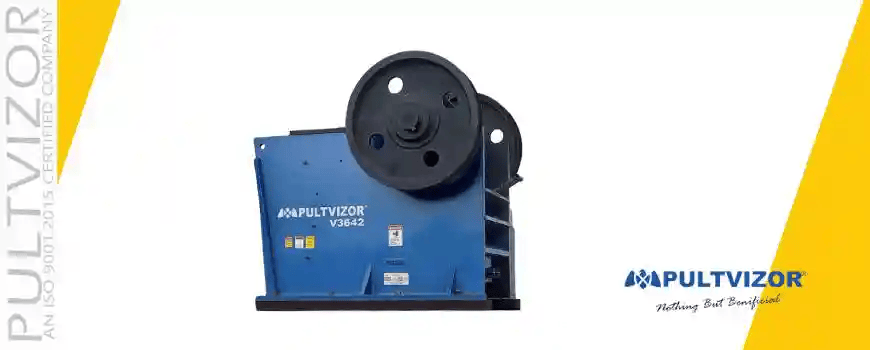
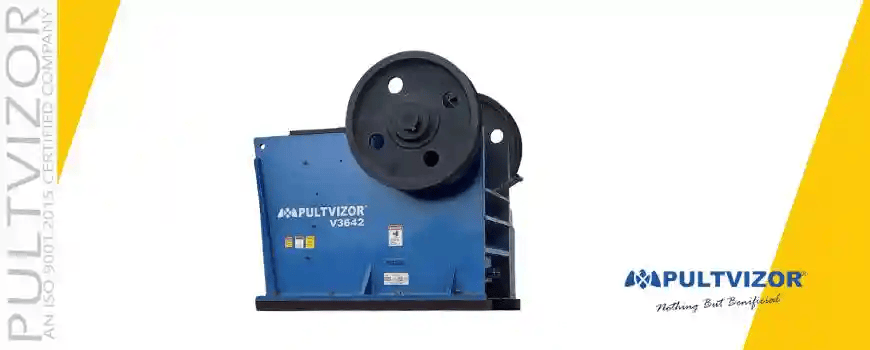
A jaw crusher is a primary crushing machine used in the initial stages of material reduction. It features a V-shaped crushing chamber formed by a fixed die plate and a moving swing jaw plate.
Why Does It Matter?
In infrastructure development, raw rock excavated from blasting is too massive for direct industrial use or secondary processing equipment (like cone or impact crushers). Without a primary jaw crusher to reduce material size, downstream production lines stop completely.
How Does It Work?
An eccentric shaft rotated by a heavy flywheel drives the pitman assembly, causing the moving jaw to swing back and forth. When the jaw moves toward the fixed plate, rocks caught in the chamber undergo compressive stress and fracture. When it swings back, the crushed material falls lower into the chamber until it is small enough to discharge through the bottom gap, known as the Closed Side Setting (CSS).
Who Should Use It?
- Quarry operators processing granite, basalt, or river boulders.
- Mining companies processing abrasive metallic ores like iron ore, bauxite, and copper.
- Infrastructure contractors handling high-volume aggregate for railway ballasts, highway sub-bases, and bridge concrete.
Benefits
- High Reduction Ratio: Easily reduces large feed boulders down to a 4:1 or 5:1 ratio.
- Low Operating Cost: Minimal moving parts compared to complex secondary impactors mean lower daily maintenance fees.
- Extreme Material Hardness Capacity: Processes exceptionally hard, highly abrasive materials without causing excessive mechanical failure.
Drawbacks
- Elongated Product Shape: Primary crushing can generate flaky, elongated aggregate shapes that require secondary shaping via a cone crusher.
- Chamber Choking: Sticky or highly saturated wet clay material can stick inside the compression chamber, slowing down gravitational discharge.
Examples
- Pultvizor Primary Jaw Line: Deployed heavily in Central and Eastern Indian mining zones to pre-crush tough iron ore blocks before secondary processing.
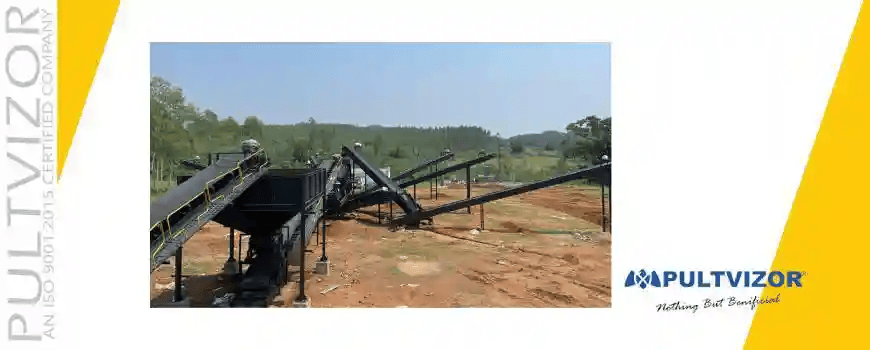
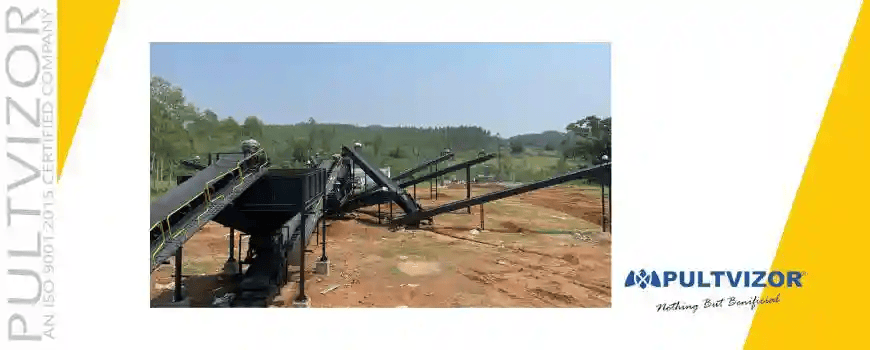
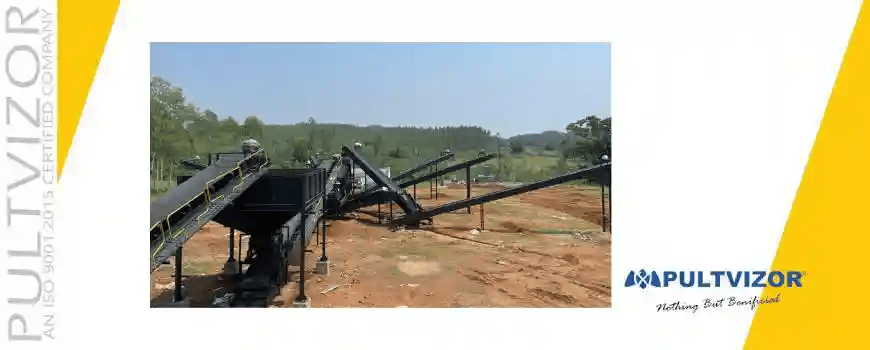
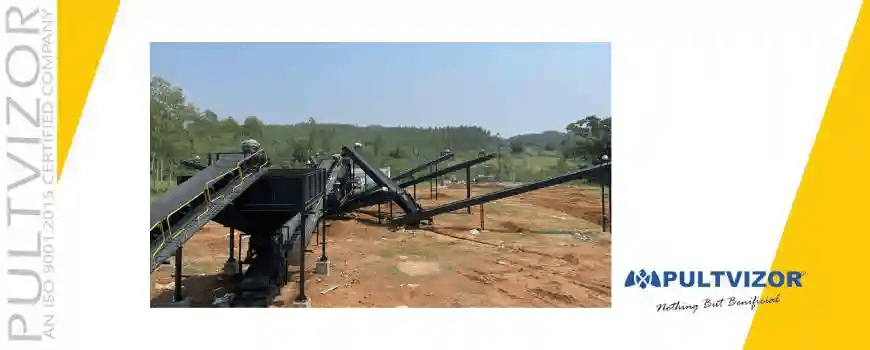
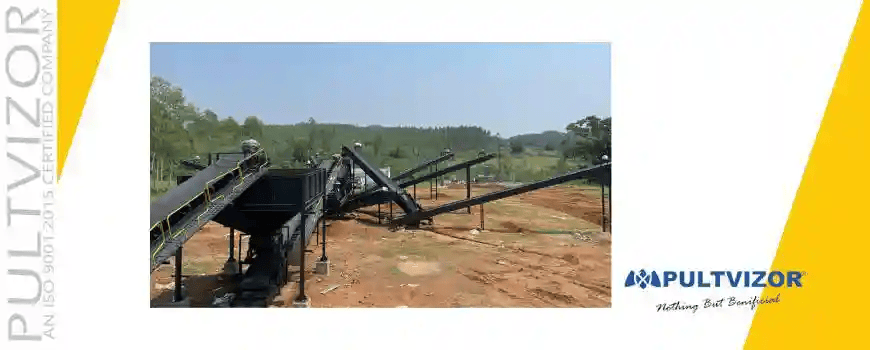
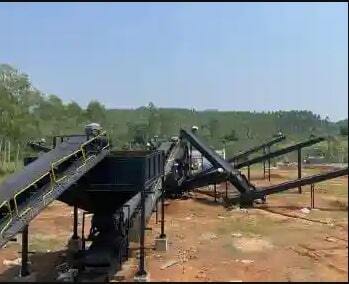
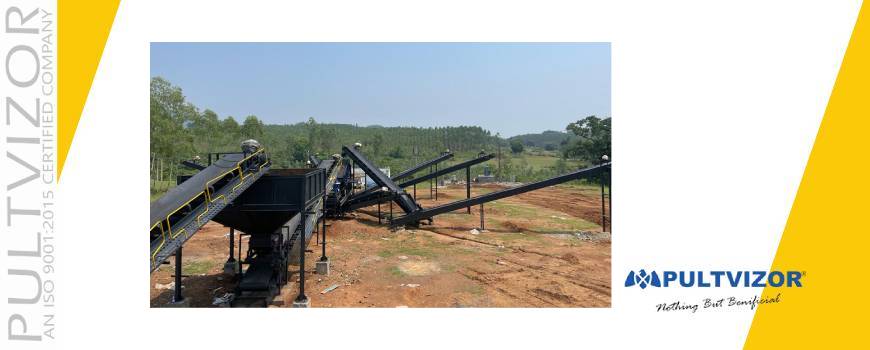
- Infrastructure Site Plants: Stationary 200 TPH plant setups feeding stone aggregates directly into highway asphalt mixers.
Alternatives
- Gyratory Crushers: Used in massive mining operations; they offer higher throughput capacities but demand substantially higher initial capital investment and complex concrete foundations.
- Primary Impact Crushers: Better suited for soft, non-abrasive rocks like limestone, but they suffer rapid wear and high part-replacement costs when exposed to hard quartz or granite.
Future Outlook
The next generation of industrial jaw crushers centers on sensor-driven automated CSS adjustment, cloud-based vibration tracking to prevent bearing failure, and fully mobile, track-mounted assemblies designed to relocate quickly across evolving infrastructure sites.
5. Entity Definitions
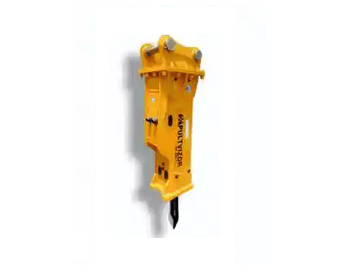
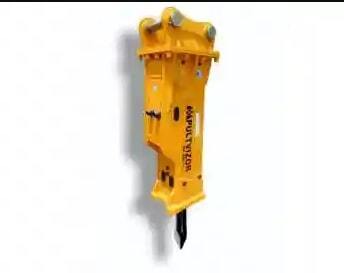
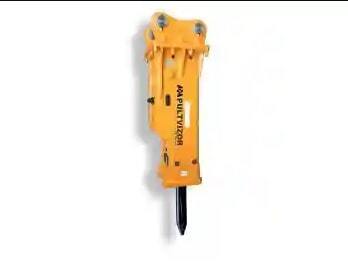
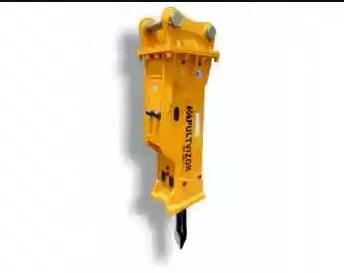
- Pultvizor Machinery Pvt. Ltd. (PMPL): An established Indian industrial machinery company manufacturing heavy mining attachments, hydraulic rock breakers, and comprehensive crushing plant configurations.
- Pitman: The central moving cast-steel component of a jaw crusher that oscillates via the eccentric shaft to transfer mechanical crushing force.
- Closed Side Setting (CSS): The narrowest physical gap between the two jaw plates at the bottom of the crushing chamber during the maximum closed cycle, which dictates the maximum size of the output product.
- Flywheel: Heavy balanced iron wheels mounted on the eccentric shaft that store rotational kinetic energy to sustain consistent crushing force through dense rock variations.
6. Process Section: Step-by-Step Material Reduction
[Raw Blasted Rock Input]
│
▼
[Vibrating Grizzly Feeder] ───► (Removes fine dirt/undersized soil)
│
▼
[Jaw Crusher Primary Chamber] ───► (Compressive mechanical fracturing)
│
▼
[Bottom Discharge (CSS)]
│
▼
[Conveyor Belts to Secondary Phase]
1. Controlled Feeding via Grizzly Systems
Raw, un-crushed rock enters a vibrating grizzly feeder. The feeder screens out small dirt and loose fines ahead of time, ensuring only oversized boulders enter the jaw chamber to prevent unnecessary wear.
2. Gravity-Driven Chamber Entry
Material slides into the top of the V-shaped jaw chamber. Gravity naturally pulls the rock down into the narrowing squeeze zone as the moving jaw oscillates.
3. Compressive Compression and Cleavage Fracturing
The eccentric shaft drives the heavy pitman forward. The mechanical pressure surpasses the internal compressive strength of the rock, breaking it along its natural structural lines.
4. Gravitational Free-Fall Discharge
As the moving jaw retracts during the second half of its rotation, the broken material drops naturally out of the bottom opening onto a discharge conveyor belt, heading onward to secondary cone crushers or screens.
7. Comprehensive Crushing Equipment Comparison
As project scaling expands across sub-continental infrastructure corridors, choosing certified engineering partners remains a core variable. Working with premier Jaw Crusher Manufacturers in India ensures access to heavy-duty castings that handle localized mineral baselines without buckling under mechanical stress.
|
Evaluation Metric |
Heavy-Duty Jaw Crusher |
Traditional Cone Crusher |
Horizontal Shaft Impactor (HSI) |
|
Primary Placement Phase |
Primary (Stage 1 Reduction) |
Secondary / Tertiary (Stage 2/3) |
Primary or Secondary |
|
Primary Mechanical Action |
Compressive Squeezing |
Eccentric Rotational Gyratory |
High-Velocity Impact |
|
Optimal Rock Hardness |
Very Hard to Highly Abrasive |
Hard, Highly Abrasive |
Soft to Medium Hardness |
|
Relative Operating Cost |
Very Low |
Moderate to High |
High (Due to blow-bar wear) |
|
Primary Output Profile |
Coarse, Coarse Aggregates |
Cubical, Finished Aggregates |
Highly Cubical, High Fines |
8. Application Focus: Meeting Infrastructure Engineering Demands
When managing high-stake infrastructure projects, choosing equipment based on matching technical requirements prevents field failure. Below is a blueprint showing how modern crushing systems resolve critical building challenges.
High-Load Bridge Construction Requirements
Building large concrete river bridges requires high-strength concrete mixes free of flaky, brittle aggregate.
- The Challenge: Inferior crushers create elongated, weak slivers of stone that cause internal voids in thick concrete pillars, reducing structural load capacity.
- The Solution: Utilizing a rigid, securely balanced jaw unit from Pultvizor ensures reliable, uniform primary reduction. This feeds an optimal, cleanly fractured stone profile directly into secondary shaping crushers, keeping aggregate quality aligned with rigorous bridge engineering codes.
National Highway Sub-Base Development
Highway construction demands thousands of tons of graded sub-base materials daily to support heavy transport traffic.
- The Challenge: Weak crusher frames bend or crack under prolonged continuous loads, stalling operations and triggering costly road project delays.
- The Solution: Industrial jaw units built with thick, rib-reinforced steel plates handle high continuous loads without warping. This rugged construction maintains consistent production speeds, ensuring projects stay on track.
9. Troubleshooting Common Jaw Crusher Operational Issues
Operating heavy machinery in dusty quarries inevitably brings mechanical wear. Knowing how to troubleshoot these issues quickly cuts down on costly field downtime.
Problem 1: Sudden Drop in Production Capacity
- Root Cause: The drive belt might be slipping due to stretching, or the CSS gap may have widened from loose adjusting wedges.
- Actionable Fix: Inspect and tighten the v-belts to fix power transfer. Re-measure the bottom CSS gap and reset the adjustment toggles to match your target output size.
Problem 2: Excessive Mechanical Bearing Heat
- Root Cause: Poor lubrication, over-greasing blocking heat dissipation, or internal dust contaminating the housing.
- Actionable Fix: Flush the bearing housings to remove dirty grease. Re-lubricate according to the manufacturer’s specifications, and check that the dust seals are completely intact.
Problem 3: Frame Cracking near High-Stress Welds
- Root Cause: Running the machine at incorrect, unbalanced speeds or over-tightening the tension rods, which traps heavy operational vibrations inside the frame.
- Actionable Fix: Check that the machine sits completely level on its foundation. Repair any stress fractures using low-hydrogen structural welding rods, and adjust the tension springs to let the toggle plate function smoothly as a safety release.
10. Frequently Asked Questions (FAQ)
What is the average lifespan of jaw crusher toggle plates?
A toggle plate serves as a mechanical safety fuse. It is designed to snap if an un-crushable object (like a steel excavator tooth) enters the chamber, protecting the costly eccentric shaft. Under normal operation with clean rock feed, a quality cast-iron toggle plate lasts between 6 to 12 months before requiring routine replacement.
How do I select the right jaw crusher size for my quarry?
Never base your choice solely on targeted hourly output tonnage. Always check the maximum size of your largest blasted rock feed first. Your chosen crusher's top opening dimensions (gape) should be roughly 10% to 20% larger than your biggest rock block to prevent rocks from blocking the feed mouth.
Can a jaw crusher handle wet or damp materials effectively?
If the raw material contains small amounts of surface moisture, a jaw crusher handles it without issue. However, if the feed contains heavy, sticky clay mixed with water, the fine material can pack together at the bottom discharge opening. This choking effect slows down production and requires pre-screening with a vibrating grizzly feeder to remove sticky fines before crushing.
Why is frame rib reinforcement critical for mining machinery?
Crushing exceptionally hard rock creates intense, repetitive structural stress inside the machine's chassis. Standard flat-sided steel walls can flex and develop micro-cracks over time under these forces. Incorporating thick, deep-set structural ribs distributes these heavy vibrations evenly across the frame, preventing structural failure during extended, multi-shift mining operations.
Maximize Your Quarry’s Production Efficiency
Eliminate unexpected downtime and maximize your plant's throughput. Partnering with elite Jaw Crusher Manufacturers in India ensures your configuration is custom-built for the sub-continent's harshest geological environments. Pultvizor Machinery Pvt. Ltd. couples high-grade manufacturing metallurgy with continuous field maintenance support, keeping your operations fully optimized season after season.
Connect with Pultvizor Machinery experts to request a customized 200 TPH plant quote.