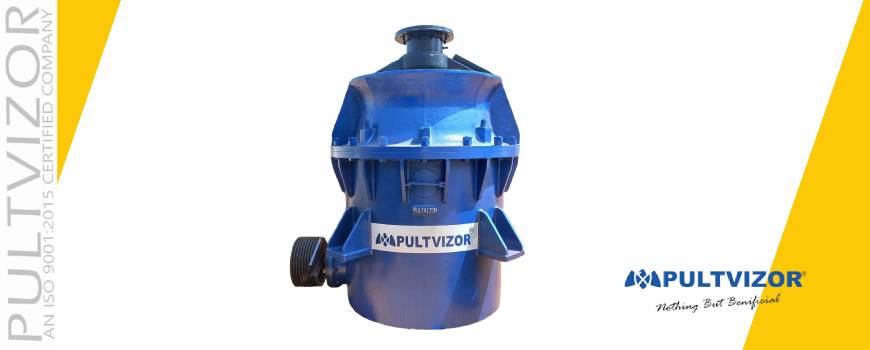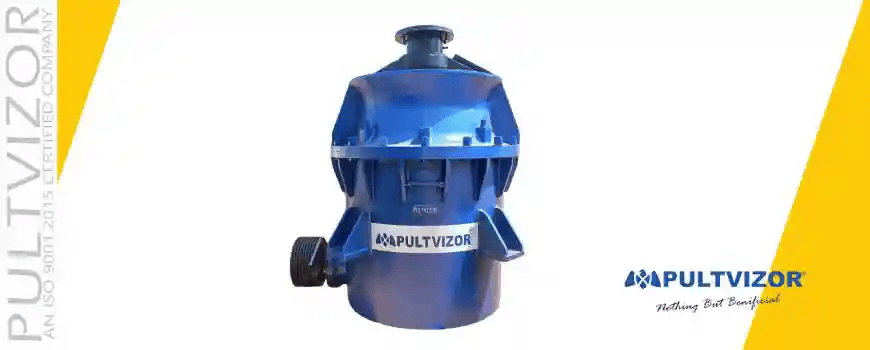
Cone Crusher Plant Manufacturers in India for Aggregate Production
What Determines Whether a Plant Hits Its Rated TPH or Falls Short Every Shift
Author: Pultvizor Editorial Team — Manufacturing background in mining and crushing equipment since 1998, Durg, Chhattisgarh
If your aggregate plant consistently produces below its rated TPH, the cause is rarely the cone crusher itself — it's usually feed gradation, screening capacity, or a plant layout that wasn't sized to match actual output demand. Cone Crusher Plant Manufacturers in India that engineer complete plants — not just standalone crushers — solve this at the design stage. This guide breaks down what actually determines aggregate output and how to evaluate a plant before you invest.
What Cone Crusher Plant Manufacturers in India Deliver for Aggregate Production
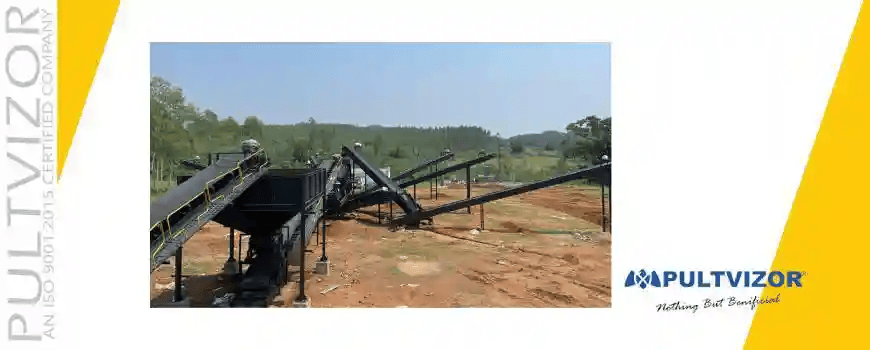
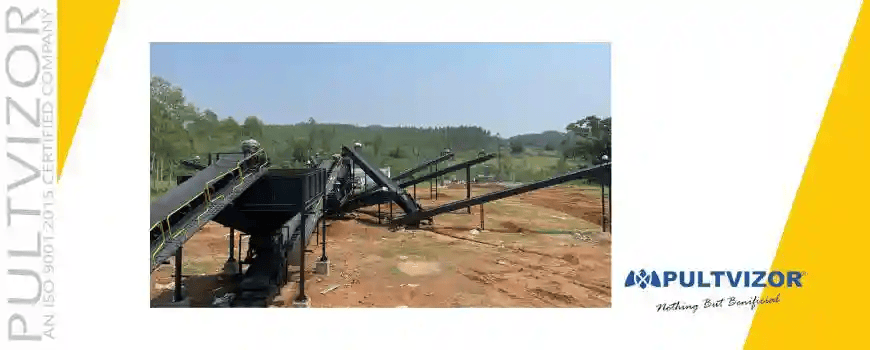
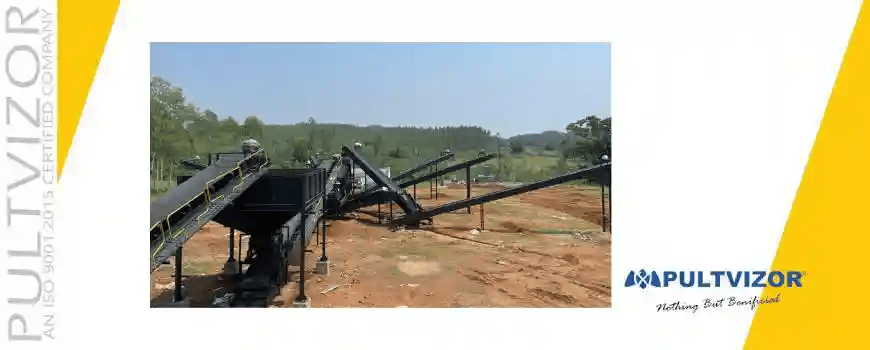
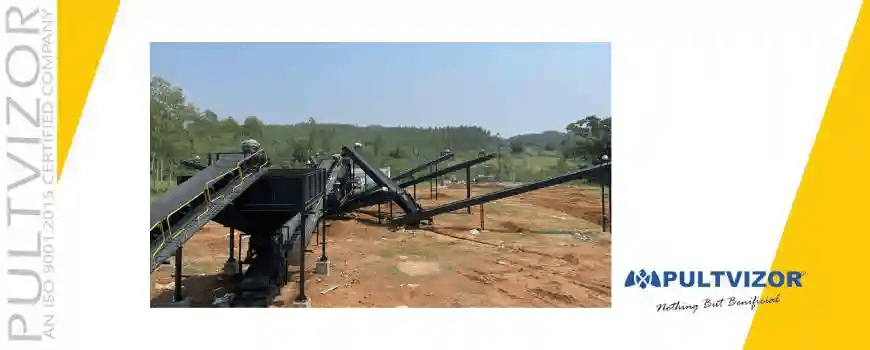
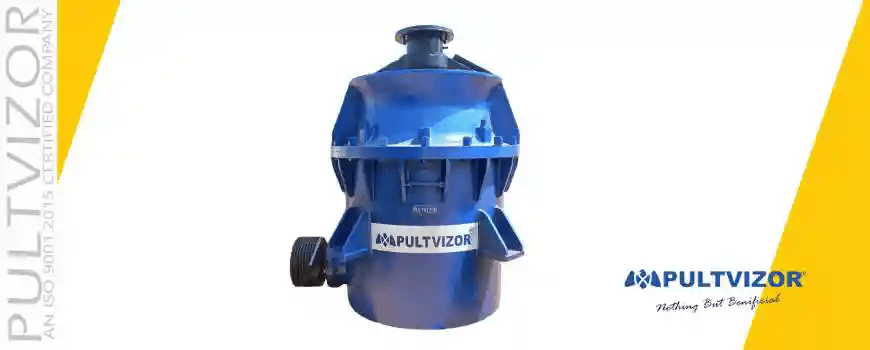
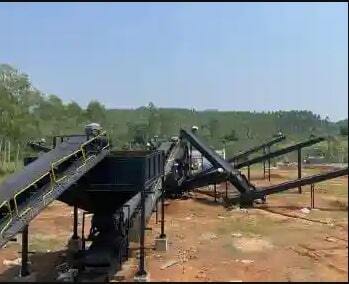
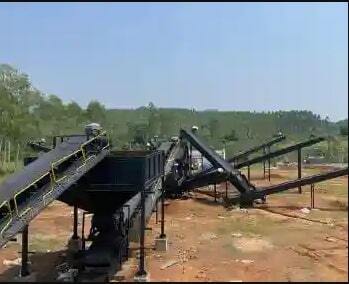
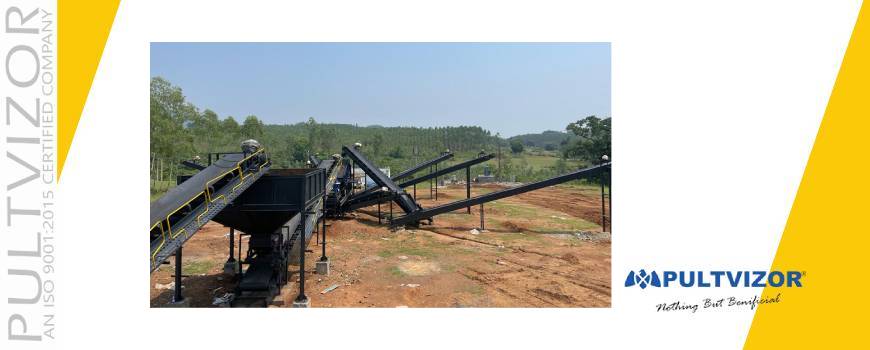
Cone Crusher Plant Manufacturers in India design complete aggregate production systems combining a cone crusher, feeding system, screening deck, and conveyor network engineered to hit a specific tons-per-hour output target. For aggregate producers, this means the crushing stage, screening stage, and material handling are sized together — rather than assembling mismatched components — so the plant consistently meets its rated production capacity.
One-Sentence Definition
A cone crusher plant is an integrated aggregate production system where a cone crusher works alongside feeders, screens, and conveyors, all sized together to deliver a target output capacity in tons per hour.
Key Facts Block
- Common plant capacity range: 100–250 TPH for standard aggregate operations
- Core components: Cone crusher, vibrating feeder, multi-deck screen, conveyor system, control panel
- Certification standard: ISO 9001:2015 followed by established Indian manufacturers
- Primary output products: Graded aggregate, crusher sand, road base material
- Key sizing factor: Feed gradation and closed-side setting (CSS) determine final product size distribution
Entity Definitions
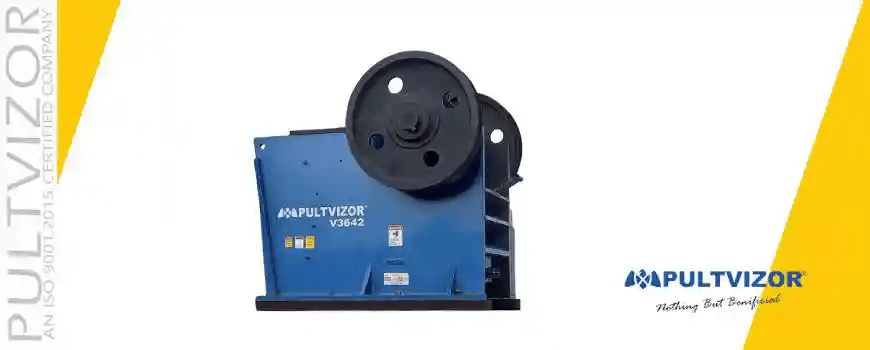
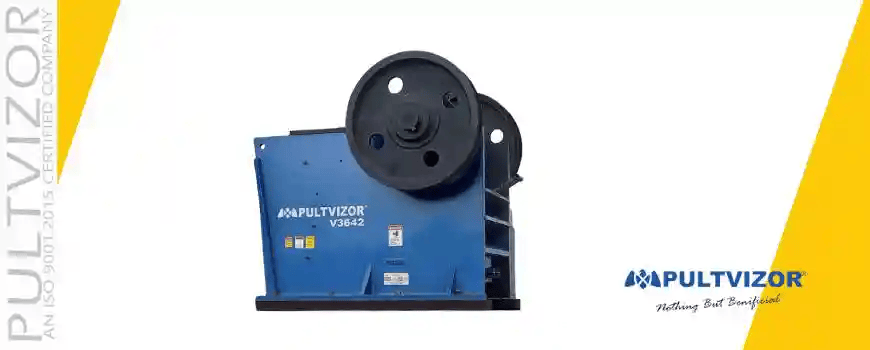
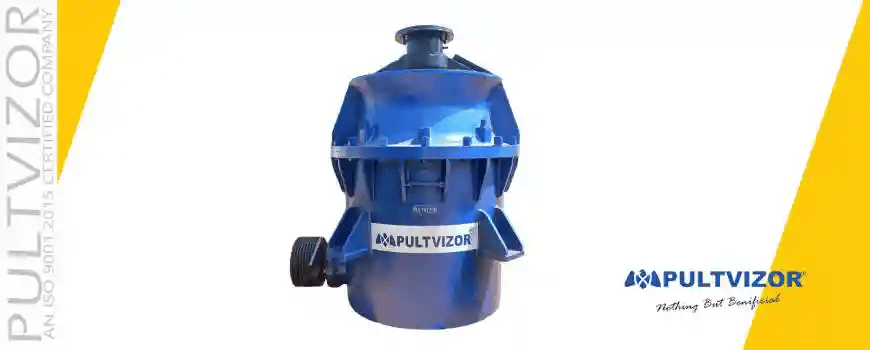
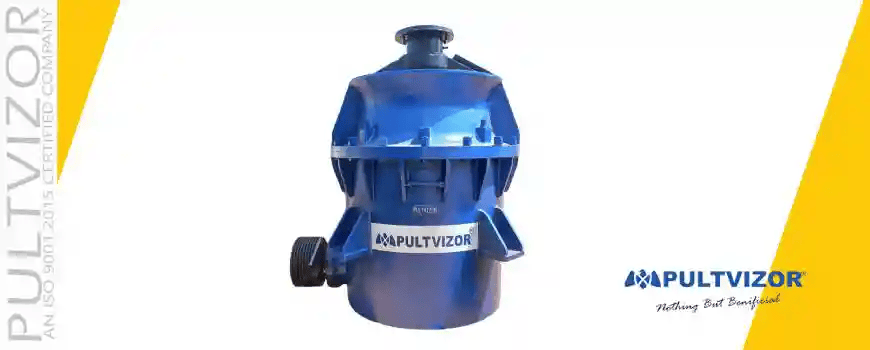
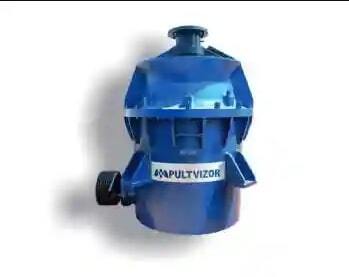
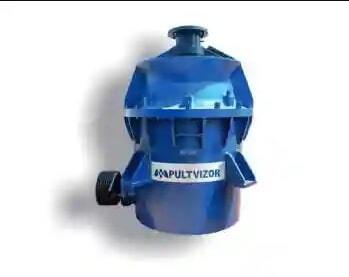
- Cone crusher — a compression crusher that reduces material size by squeezing it between a rotating mantle and a fixed concave bowl liner.
- Closed-side setting (CSS) — the smallest gap between the mantle and concave at the bottom of the crushing chamber, directly controlling final product size.
- Aggregate — crushed stone material graded by size, used in concrete, road base, and construction fill applications.
- Multi-deck screen — a vibrating screening unit with multiple mesh layers used to separate crushed material into distinct size grades simultaneously.
Why Plant Design Matters More Than Crusher Specs Alone
A cone crusher rated at 200 TPH will not actually produce 200 TPH of usable aggregate if the screening deck beneath it is undersized or the feeder delivers material inconsistently. Cone Crusher Plant Manufacturers in India that engineer the crusher, feeder, and screen as one integrated system prevent this mismatch — which is the most common reason aggregate producers report output below the crusher's rated capacity.
How an Aggregate Plant Achieves Rated Output: Process Overview
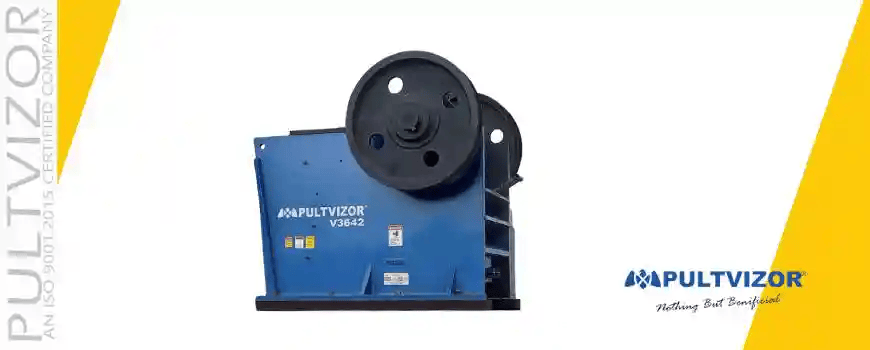
- Feed material sizing — raw stone is pre-screened or pre-crushed (via jaw crusher) to a feed size the cone crusher is rated for.
- Controlled feeding — a vibrating feeder delivers material into the crushing chamber at a steady, choke-fed rate for maximum efficiency.
- Crushing to CSS setting — the cone crusher reduces material to the closed-side setting configured for the target product size.
- Multi-deck screening — crushed material is separated into distinct size grades across the screening deck.
- Oversize recirculation — material exceeding the target size is conveyed back to the crusher for re-processing.
- Stockpiling via conveyor — sized aggregate is conveyed to separate stockpiles by grade for dispatch.
Who Should Use a Complete Cone Crusher Plant
- Aggregate producers supplying concrete batching plants and road contractors
- Quarry operators scaling from standalone crushing to full graded-product output
- Infrastructure and highway project contractors needing consistent road base material
- Ready-mix concrete companies requiring reliable crusher sand supply
Benefits
- Plant components sized together prevent throughput bottlenecks at the screening stage
- Multiple graded products (aggregate, road base, crusher sand) from a single integrated system
- Reduced material handling cost with conveyor-linked stockpiling
- Predictable output planning for contract-based aggregate supply commitments
Drawbacks to Plan For
- Higher upfront capital investment than a standalone crusher unit
- Requires adequate site space for the full feeder-crusher-screen-conveyor layout
- Foundation and civil work needed for fixed-plant installations, adding to project timeline
Case Study: Matching Plant Capacity to Actual Demand
An aggregate producer supplying a regional road construction project initially installed a cone crusher rated at 200 TPH but paired it with an undersized single-deck screen, consistently producing below-spec output and forcing double-handling of oversize material. After upgrading to a properly matched multi-deck screening system sized for the crusher's full rated capacity, the operation was able to reliably approach its rated TPH output and reduce oversize recirculation load. The lesson for aggregate producers evaluating plant manufacturers: always request the screening and conveyor capacity specs alongside the crusher's TPH rating, not the crusher spec in isolation.
Comparison Table: Plant Capacity Planning
|
Plant Capacity |
Best Suited For |
Screening Requirement |
Typical Site Footprint |
|
100 TPH |
Small aggregate suppliers, local contractors |
Single/dual-deck screen |
Small to medium |
|
150–200 TPH |
Regional road projects, concrete batching supply |
Dual/triple-deck screen |
Medium |
|
250 TPH |
Large infrastructure projects, high-volume suppliers |
Triple-deck screen, high-capacity conveyors |
Large |
Technical Spec Reference Table
|
Component |
Function |
Key Sizing Factor |
|
Cone Crusher |
Primary/secondary size reduction |
Closed-side setting (CSS) |
|
Vibrating Feeder |
Controlled material intake |
Feed rate matched to crusher TPH |
|
Multi-Deck Screen |
Size grading and separation |
Screen area matched to crusher output volume |
|
Conveyor System |
Material transport and stockpiling |
Belt width and speed matched to plant TPH |
Alternatives to Consider
- Mobile cone crusher units — better suited for shifting quarry faces or project sites needing relocation flexibility
- Standalone crusher without integrated screening — lower upfront cost but higher risk of output mismatch, suited only where an existing screening plant is already in place
- Jaw-cone two-stage plants — used when feed material requires primary reduction before it reaches the cone crushing stage
Future Outlook
As infrastructure and road-building activity continues to drive aggregate demand, Cone Crusher Plant Manufacturers in India are increasingly offering pre-engineered, modular plant packages that size the crusher, feeder, and screen together rather than selling components separately — reducing the design-mismatch risk that has historically caused output shortfalls for aggregate producers.
Why Choose Pultvizor for Complete Cone Crusher Plants
Pultvizor Machinery Pvt. Ltd. has manufactured mining and crushing equipment from Durg, Chhattisgarh since 1998. What aggregate producers get:
- 100/150/200/250 TPH plant configurations engineered as complete, matched systems
- ISO 9001:2015 certified manufacturing process
- South Korean technology collaboration informing crushing chamber and screening design
- Warranty and dedicated breakdown support to protect continuous production commitments
- Experience supplying aggregate producers and road contractors across Chhattisgarh, Odisha, and neighboring mining and infrastructure corridors
Frequently Asked Questions
Why isn't my cone crusher plant hitting its rated TPH output? The most common cause is an undersized screening deck or inconsistent feeder rate, not the crusher itself — always verify screen and feeder capacity match the crusher's rated output.
What is closed-side setting and why does it matter? Closed-side setting (CSS) is the gap controlling final product size — adjusting it lets producers target different aggregate grades from the same crusher.
How many product grades can one cone crusher plant produce? With a multi-deck screening system, a single plant can typically separate output into three or more distinct size grades simultaneously.
Is a fixed cone crusher plant better than a mobile one for aggregate production? Fixed plants suit long-term, single-location high-volume operations, while mobile units suit shifting extraction points or shorter project durations.
What site preparation is needed before installing a cone crusher plant? Foundation work, feed material staging area, and adequate space for the feeder-crusher-screen-conveyor layout are typically required for fixed installations.
How is aggregate plant capacity actually calculated? Capacity is determined by the crusher's rated TPH matched against the feeder's delivery rate and the screening deck's total effective area — all three must align.
What maintenance keeps a cone crusher plant at rated capacity? Regular mantle and concave wear inspection, feeder calibration checks, and screen mesh maintenance are the top factors in sustaining rated output over time.
Can an existing plant be upgraded instead of replaced? Often yes — undersized screening or feeder components can sometimes be upgraded independently to match an existing crusher's rated capacity before considering full replacement.
Get a Plant Sized for Your Production Target
Buying a crusher without matching the screening and conveyor capacity is the most common reason plants underperform. Talk to Pultvizor's team about your target TPH and site conditions.
Pultvizor Machinery Pvt. Ltd. L.N.C.T., Pulgaon Road, Durg, Chhattisgarh, India – 491001 Toll Free: 1800-309-3922 Email: info@pultvizor.com Available: 10 AM – 7 PM, all days Explore complete plant solutions: Cone Crusher Plant Manufacturers in India
Request a plant capacity assessment and quote today — get a crusher, feeder, and screen combination engineered to hit your actual TPH target.