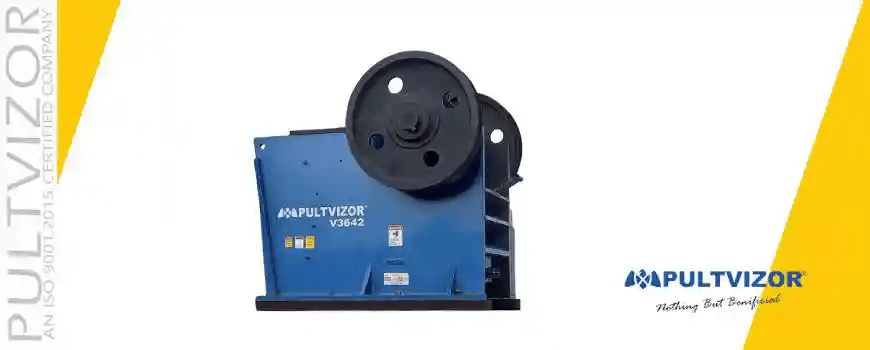
Jaw Crusher Manufacturers in India for Construction Debris Recycling
Why Standard Feed Settings Fail on Reinforced Concrete Debris and What to Configure Instead
Published: 2026 Author: Pultvizor Editorial Team — Manufacturing background in mining and crushing equipment since 1998, Durg, Chhattisgarh
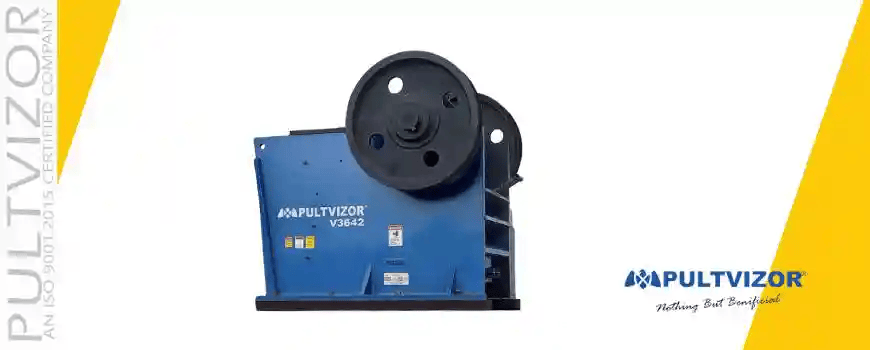
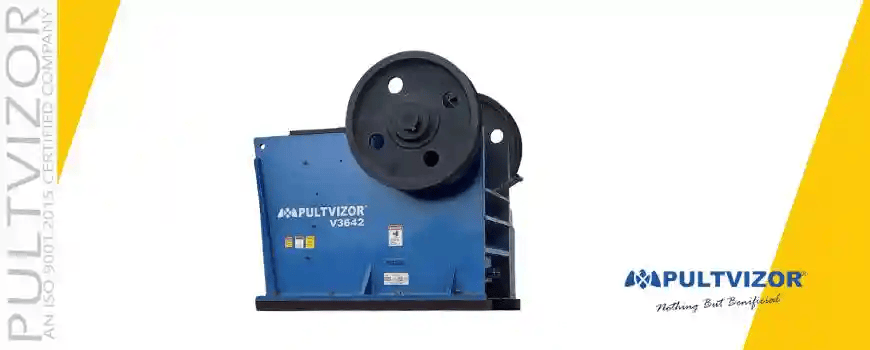
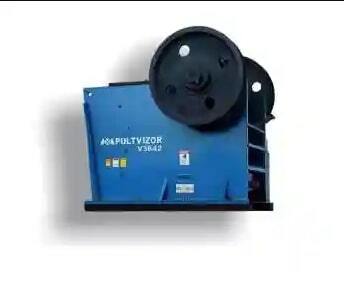
Demolition and construction waste isn't uniform stone — it's mixed concrete, embedded rebar, brick, and tile, and feeding it through a jaw crusher configured for quarry rock leads to jammed chambers and rapid jaw plate wear. Jaw Crusher Manufacturers in India building units specifically for construction and demolition (C&D) debris configure the feed opening, jaw plate hardness, and overload protection differently from a standard quarry crusher. This guide covers what to look for before recycling debris on-site.
What Jaw Crusher Manufacturers in India Offer for Debris Recycling
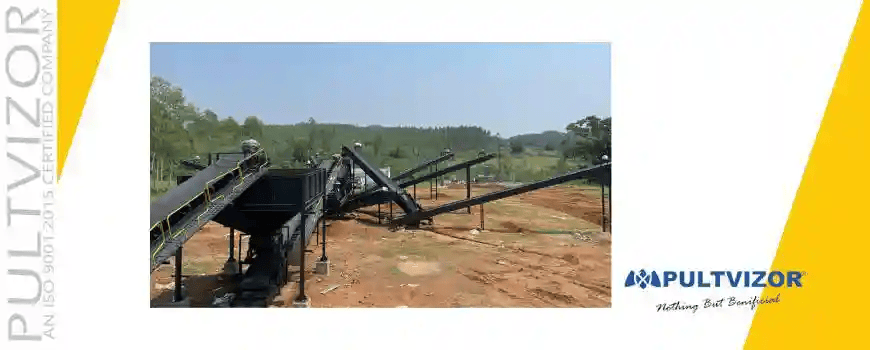
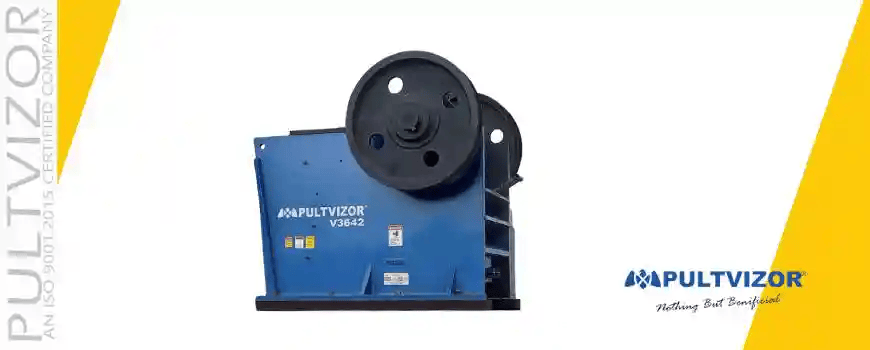
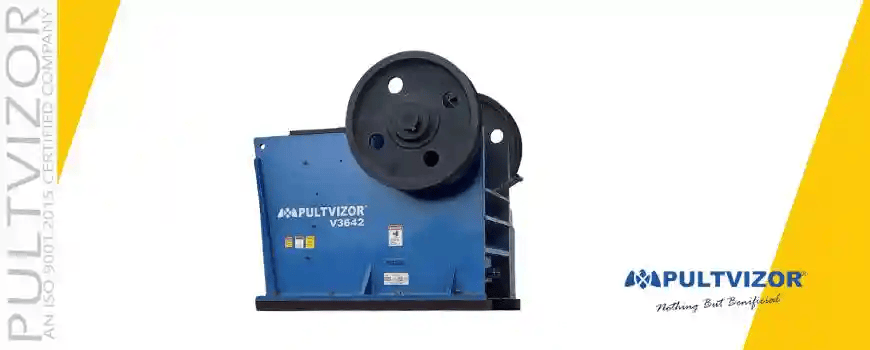
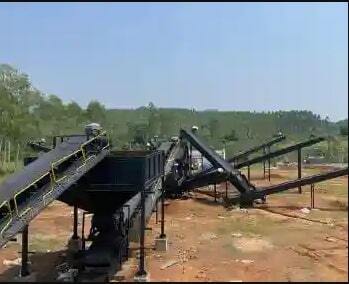
Jaw Crusher Manufacturers in India that serve the construction debris recycling segment build jaw crushers with reinforced toggle protection, wider feed tolerances for mixed material, and jaw plate metallurgy suited to handling embedded rebar and mixed density debris. This lets demolition contractors and recyclers process reinforced concrete, brick, and mixed C&D waste into reusable aggregate on-site, rather than hauling debris to landfill or an external recycling facility.
One-Sentence Definition
Construction debris recycling with a jaw crusher is the process of reducing demolished concrete, brick, and mixed building waste into graded, reusable aggregate through compression crushing on-site or at a dedicated recycling yard.
Key Facts Block
- Common debris types processed: Reinforced concrete, brick, tile, mixed masonry
- Key configuration difference from quarry crushers: Reinforced toggle protection against embedded rebar and metal fragments
- Typical recycled output use: Road base material, non-structural fill, secondary aggregate
- Certification standard: ISO 9001:2015 followed by established Indian manufacturers
- On-site advantage: Reduces landfill disposal cost and haul distance for demolition contractors
Entity Definitions
- Construction and demolition (C&D) waste — debris generated from building demolition or construction activity, typically a mix of concrete, brick, tile, and other masonry materials.
- Toggle plate overload protection — a mechanical safety feature that prevents crusher damage when uncrushable material, such as embedded rebar or metal fragments, enters the crushing chamber.
- Recycled aggregate — crushed and graded material derived from demolition debris, used as a substitute for virgin quarried aggregate in non-structural applications.
- Jaw plate metallurgy — the specific hardness and composition of the jaw plates, selected based on the abrasiveness and mixed-density nature of the feed material.
Why Debris Recycling Needs a Different Crusher Configuration
Reinforced concrete debris behaves very differently from uniform quarry stone — embedded rebar can jam a standard crushing chamber, and mixed density material wears jaw plates unevenly. Jaw Crusher Manufacturers in India that understand this configure toggle protection and feed tolerances specifically for C&D debris, reducing jam-related downtime that a standard quarry-spec crusher would experience on the same material.
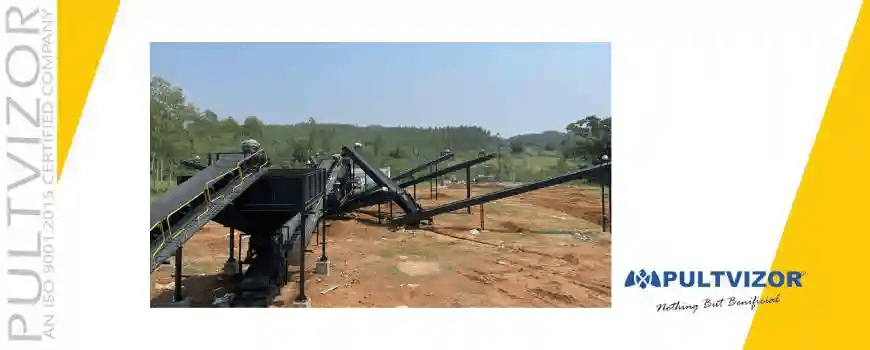
How On-Site Debris Recycling Works: Process Overview
- Pre-sorting — large metal fragments and non-crushable material are manually or magnetically removed before feeding.
- Controlled feeding — debris is fed into the jaw crusher at a steady rate to avoid chamber overload.
- Primary crushing — the jaw crusher reduces concrete and masonry to a manageable size, with toggle protection engaging if uncrushable material is detected.
- Magnetic separation — a magnetic separator removes embedded rebar and metal fragments from the crushed output.
- Screening — crushed material is screened into graded sizes for reuse.
- Stockpiling or reuse — graded recycled aggregate is stockpiled for road base, fill, or secondary construction use.
Who Should Use a Debris-Configured Jaw Crusher
- Demolition contractors processing debris on-site to reduce haul and landfill costs
- Construction and demolition waste recycling yards
- Road contractors sourcing recycled aggregate for non-structural base material
- Municipal or infrastructure projects with waste-reduction or sustainability requirements
Benefits
- Reduces landfill disposal costs and haul distance for demolition contractors
- Produces usable recycled aggregate for road base and fill applications
- Reinforced toggle protection reduces downtime from embedded rebar jams
- Supports sustainability and waste-reduction requirements on infrastructure projects
Drawbacks to Plan For
- Recycled aggregate typically isn't suited for structural concrete without additional processing and testing
- Mixed density debris causes more variable jaw plate wear than uniform quarry stone
- Pre-sorting and magnetic separation add process steps compared to straightforward quarry crushing
Examples
A demolition contractor clearing a reinforced concrete structure typically feeds debris through a jaw crusher configured with reinforced toggle protection, since standard toggle settings would trip frequently on embedded rebar fragments. A road contractor sourcing base material for a low-traffic access road, by contrast, can often use recycled aggregate directly from debris crushing without requiring virgin quarried stone, reducing material cost significantly.
Quarry-Spec vs Debris-Spec Jaw Crushers
|
Factor |
Quarry-Spec Jaw Crusher |
Debris-Spec Jaw Crusher |
|
Feed material |
Uniform quarried stone |
Mixed concrete, brick, embedded rebar |
|
Toggle protection |
Standard |
Reinforced for metal fragment tolerance |
|
Jaw plate wear pattern |
Consistent |
Variable due to mixed density |
|
Typical output use |
Primary aggregate for further processing |
Road base, fill, secondary aggregate |
|
Pre-processing needed |
Minimal |
Pre-sorting and magnetic separation |
Technical Spec Reference Table
|
Jaw Crusher Class |
Feed Opening |
Typical Capacity |
Recommended Use |
|
Small |
Up to 250 mm |
25–60 TPH |
Small demolition sites, local recycling |
|
Medium |
250–500 mm |
60–150 TPH |
Mid-scale demolition and recycling yards |
|
Large |
500 mm+ |
150–300+ TPH |
Large infrastructure demolition projects |
Alternatives to Consider
- Mobile jaw crusher units — practical for on-site demolition recycling where relocating between demolition sites is required
- Impact crushers — sometimes preferred for softer masonry debris requiring a higher reduction ratio
- Off-site recycling facilities — an option when on-site space or debris volume doesn't justify dedicated crushing equipment
Future Outlook
As sustainability requirements and construction waste regulations tighten across Indian infrastructure projects, demand for Jaw Crusher Manufacturers in India building debris-specific configurations is expected to grow. Expect wider adoption of mobile, on-site recycling setups as contractors look to reduce landfill costs and meet waste-reduction targets on demolition contracts.
Why Demolition Contractors Choose Pultvizor
Pultvizor Machinery Pvt. Ltd. has manufactured mining and crushing equipment from Durg, Chhattisgarh since 1998. What demolition and recycling contractors get:
- Reinforced toggle protection engineered for mixed density debris and embedded rebar tolerance
- ISO 9001:2015 certified manufacturing process
- South Korean technology collaboration informing crushing chamber design
- Warranty and dedicated breakdown support to minimize on-site recycling downtime
- Experience supporting demolition and infrastructure contractors across Chhattisgarh, Odisha, and neighboring regions
Frequently Asked Questions
Can a standard jaw crusher process reinforced concrete debris?
It can, but without reinforced toggle protection, embedded rebar increases the risk of chamber jams and more frequent downtime.
What happens to the rebar removed from crushed concrete debris?
It's typically separated using a magnetic separator downstream of the crusher and can be sold as scrap metal.
Is recycled aggregate from demolition debris suitable for structural concrete?
Generally not without additional processing and testing — it's most commonly used for road base, fill, and non-structural applications.
Does processing mixed debris wear out jaw plates faster than quarry stone?
Yes, mixed density material tends to cause more variable wear patterns compared to uniform quarry rock.
Can a jaw crusher be moved between different demolition sites?
Yes, mobile jaw crusher units are commonly used specifically for this purpose, avoiding the need for a fixed recycling yard.
What pre-processing is needed before feeding debris into a jaw crusher?
Manual or magnetic pre-sorting to remove large metal fragments is recommended before feeding to reduce chamber jams.
How does on-site recycling reduce costs for demolition contractors?
It cuts landfill disposal fees and haul distance, while producing usable recycled aggregate that can offset new material purchase costs.
What maintenance is different for a debris-configured jaw crusher versus a quarry crusher?
Toggle plate and jaw plate inspection frequency is typically higher due to the mixed density and embedded metal content of debris feed.
Get a Debris-Ready Jaw Crusher Quote
On-site debris recycling only pays off with the right crusher configuration from day one. Talk to Pultvizor's team about your debris type and site setup.
Pultvizor Machinery Pvt. Ltd. ???? L.N.C.T., Pulgaon Road, Durg, Chhattisgarh, India – 491001 ???? Toll Free: 1800-309-3922 ✉️ Email: info@pultvizor.com ???? Available: 10 AM – 7 PM, all days ???? Explore the full range: Jaw Crusher Manufacturers in India
Request a debris-recycling equipment assessment and quote today — get a jaw crusher configured for your exact material mix.