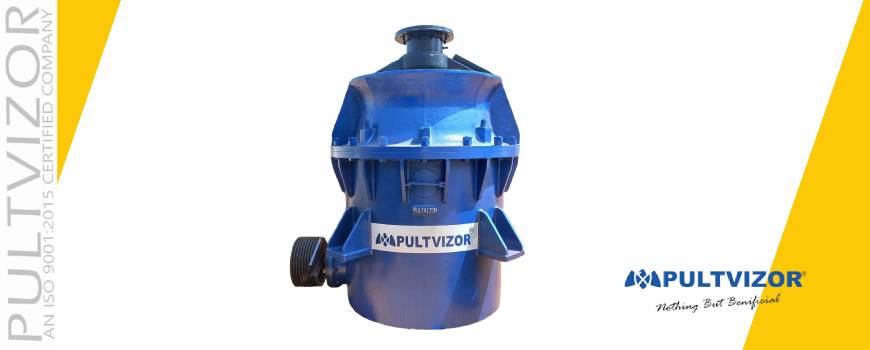
Heavy Duty Vibro Ripper Manufacturers in India for Mining Contractors
Why Standard Breakers Fail on Layered Rock and What Actually Works Instead
Published: 2026 Author: Pultvizor Editorial Team — Manufacturing background in mining and crushing equipment since 1998, Durg, Chhattisgarh
If your crew is burning through hydraulic breaker tips on stratified or layered rock without much to show for it, the equipment choice is likely the real problem, not the operator. Layered rock responds better to vibration than to direct impact, and this is exactly where heavy duty vibro rippers outperform standard breakers. Vibro Ripper Manufacturers in India that build mining-grade units solve this mismatch, and this guide breaks down when a vibro ripper is the right call for your contract.
What Heavy Duty Vibro Ripper Manufacturers in India Offer Mining Contractors?
Heavy duty Vibro Ripper Manufacturers in India build excavator-mounted attachments that use high-frequency vibration, rather than direct percussive impact, to fracture layered, stratified, or weathered rock. For mining contractors, this means faster overburden removal on rock types where a standard hydraulic breaker struggles to gain purchase, without the noise, dust, and blast-permit overhead of drilling and blasting.
What is a Vibro Ripper?
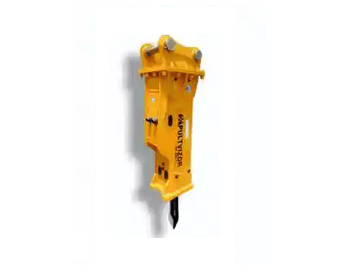
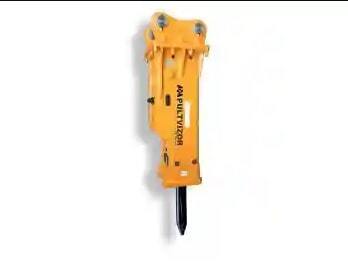
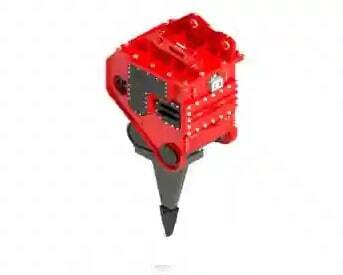
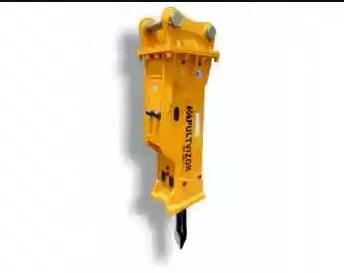
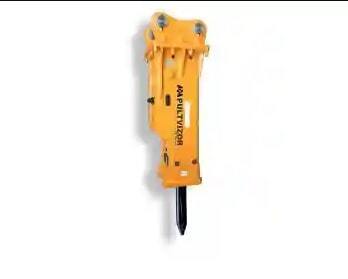
A vibro ripper is a hydraulic excavator attachment that fractures rock by transmitting high-frequency vibration through a ripping tine, rather than delivering repeated percussive blows like a breaker.
Key Facts Block
- Core mechanism: High-frequency vibration transmitted through a ripping tine or tooth
- Best suited rock type: Layered, stratified, weathered, or fractured rock formations
- Common excavator compatibility: Mid-size to heavy excavators (10–45 tons)
- Certification standard: ISO 9001:2015 followed by established Indian manufacturers
- Primary industries served: Open-pit mining, overburden removal, quarrying, road cutting
Entity Definitions
- Vibro ripper — a hydraulic attachment using an eccentric vibration mechanism to loosen and fracture rock along natural fault lines and bedding planes.
- Overburden — the layer of soil and rock that sits above a mineral deposit and must be removed before extraction can begin.
- Ripping tine — the steel tooth or blade on a vibro ripper that penetrates and transmits vibration into the rock mass.
- Stratified rock — rock formed in distinct layers, which fractures more predictably along natural bedding planes than uniform, massive rock.
Why Mining Contractors Choose Vibro Rippers Over Breakers
Standard hydraulic breakers work by direct percussive force, which is highly effective on massive, uniform rock but inefficient on layered or weathered formations where the rock already has natural fracture planes. Vibro Ripper Manufacturers in India engineer their units specifically to exploit these fracture planes through vibration, which mining contractors report as faster material removal with less wear on the attachment compared to forcing a breaker through the same ground.
How a Vibro Ripper Works: Process Overview
- Tine penetration — the ripping tine is driven into the rock or overburden layer using the excavator's digging force.
- Vibration activation — the hydraulic vibration mechanism engages, transmitting high-frequency energy through the tine.
- Fracture propagation — vibration travels along the rock's natural bedding planes and fault lines, loosening material progressively.
- Material breakup — the rock separates into manageable fragments without the shattering force of direct impact.
- Excavator loading — loosened material is cleared and loaded using the excavator's standard bucket or a following loader.
- Repositioning — the unit advances along the rock face, repeating the process across the overburden layer.
Who Should Use a Heavy Duty Vibro Ripper
- Mining contractors removing overburden ahead of ore extraction
- Quarry operators working stratified or weathered rock faces
- Road and highway contractors cutting through layered rock formations
- Contractors on sites where blasting is restricted due to proximity to structures or permits
Benefits
- Faster material removal on layered or weathered rock compared to direct-impact breakers
- No blasting permits, vibration-sensitive-zone restrictions, or fly-rock risk
- Lower wear on excavator boom and cylinders than forcing a breaker through resistant strata
- Reduced noise output compared to continuous percussive breaking
Drawbacks to Plan For
- Less effective on massive, uniform, unfractured rock where a breaker performs better
- Requires an excavator with adequate digging force to drive the tine into resistant material
- Tine wear is a recurring consumable cost, particularly on abrasive rock types
Examples
An overburden removal contract on stratified sandstone typically favors a vibro ripper, since the rock's natural bedding planes let vibration propagate fractures efficiently across wide areas. A contractor breaking massive, uniform granite for a foundation excavation, by contrast, generally gets better results from a heavy-duty hydraulic breaker, since that rock type lacks the natural fracture planes a vibro ripper depends on.
Comparison Table: Vibro Ripper vs Hydraulic Breaker
|
Factor |
Vibro Ripper |
Hydraulic Breaker |
|
Best suited rock type |
Layered, stratified, weathered |
Massive, uniform, hard rock |
|
Mechanism |
High-frequency vibration |
Direct percussive impact |
|
Noise level |
Lower |
Higher |
|
Blasting alternative |
Strong alternative for sensitive zones |
Not a blasting alternative |
|
Tool wear pattern |
Tine wear on abrasive strata |
Chisel tip wear on hard rock |
Technical Spec Reference Table
|
Model Class |
Excavator Compatibility |
Typical Application |
|
PVR 25/35 |
Mid-size excavators (10–20T) |
Quarry faces, road cutting |
|
PVR 45/55 |
Heavy excavators (20–35T) |
Overburden removal, mining |
|
PVR 85 |
Heavy mining excavators (35T+) |
Large-scale open-pit overburden |
Alternatives Worth Considering
- Hydraulic breakers — better suited for massive, uniform rock without natural fracture planes
- Drill and blast methods — used where vibro ripping still can't achieve required production rates on very hard, unfractured ground
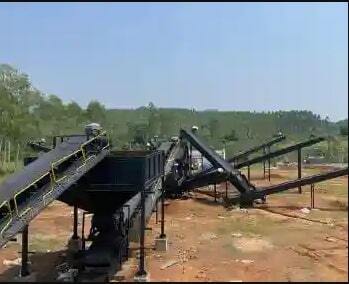
- Mobile crushing plants — a downstream option once material is already fractured and needs size reduction, not a substitute for the ripping stage
Future Outlook
As mining and infrastructure projects increasingly operate near populated or vibration-sensitive zones, demand for Vibro Ripper Manufacturers in India is expected to grow as a blast-free alternative for overburden removal. Expect manufacturers to continue improving tine wear resistance and hydraulic efficiency to widen the rock-hardness range vibro rippers can handle competitively against breakers.
Why Mining Contractors Choose Pultvizor
Pultvizor Machinery Pvt. Ltd. has manufactured mining and crushing equipment from Durg, Chhattisgarh since 1998. What mining contractors get:
- PVR 25 through PVR 85 model range covering mid-size to heavy mining excavators
- ISO 9001:2015 certified manufacturing process
- South Korean technology collaboration built into vibration mechanism design
- Warranty and dedicated breakdown support to protect continuous overburden removal schedules
- Field experience with mining and quarry contractors across Chhattisgarh, Odisha, and neighboring mining regions
Frequently Asked Questions
When should a mining contractor choose a vibro ripper over a breaker?
When the rock is layered, stratified, or weathered with natural fracture planes — vibration exploits these planes more efficiently than direct impact.
Can a vibro ripper replace blasting entirely?
On layered or weathered rock, yes in many cases — but very hard, massive, unfractured rock may still require blasting or a breaker for adequate production rates.
What excavator size is needed to run a heavy duty vibro ripper?
Most heavy duty models require mid-size to heavy excavators in the 20 to 45-ton range, depending on the specific unit and rock hardness.
How long does a ripping tine typically last?
Tine life varies with rock abrasiveness, but contractors should expect it as a recurring consumable requiring periodic replacement or resharpening.
Does a vibro ripper cause less vibration to nearby structures than blasting?
Yes, that is one of its primary advantages, making it suitable for sites near existing structures or in vibration-restricted zones.
Is a vibro ripper noisier than a hydraulic breaker?
No, vibro rippers generally produce less continuous noise than direct-impact breakers, which is beneficial on sites with noise restrictions.
What maintenance does a vibro ripper require?
Regular greasing, tine wear inspection, and hydraulic seal checks are the main maintenance points, similar in frequency to hydraulic breaker upkeep.
Can the same vibro ripper work across different rock types?
It performs best on layered or fractured rock; contractors working mixed geology often keep both a vibro ripper and a breaker available for different site conditions.
Get the Right Vibro Ripper for Your Site
Layered rock and overburden removal need the right equipment from day one, not trial and error with a mismatched attachment. Talk to Pultvizor's team about your rock conditions and excavator class.
Pultvizor Machinery Pvt. Ltd. L.N.C.T., Pulgaon Road, Durg, Chhattisgarh, India – 491001 Toll Free: 1800-309-3922 Email:info@pultvizor.com Available: 10 AM – 7 PM, all days Explore the full range: Vibro Ripper Manufacturers in India
Request a rock condition assessment and quote today — get matched to the right vibro ripper model for your excavator and site geology.