Hydraulic Breaker Manufacturers in India for Excavator and JCB Fitment
Why Most Fitment Failures Happen Before the Breaker Ever Strikes Rock
Author: Pultvizor Editorial Team — Manufacturing background in hydraulic mining equipment since 1998, Durg, Chhattisgarh
If you've bolted a hydraulic breaker onto your JCB or excavator and it either won't strike consistently or blows a hydraulic hose within weeks, the fault almost never sits with the breaker's internal design. It sits with fitment — the wrong bracket, mismatched flow, or an adapter kit that wasn't built for your specific machine model. Hydraulic Breaker Manufacturers in India that publish exact fitment charts by carrier model solve this before you ever place an order, and this guide shows you exactly what to check.
What Hydraulic Breaker Manufacturers in India Offer for Excavator and JCB Fitment
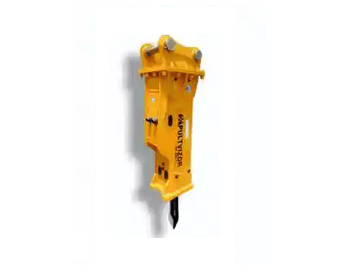
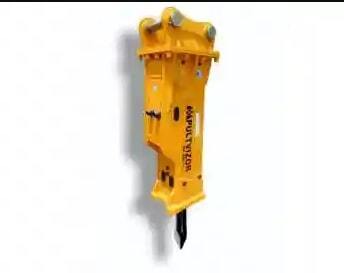
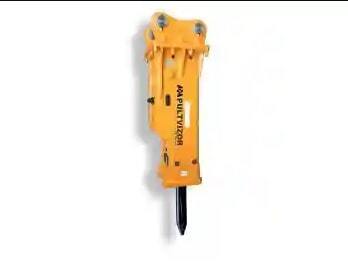
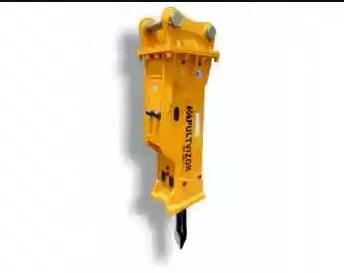
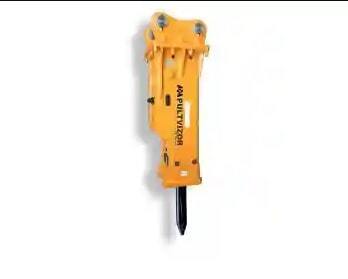
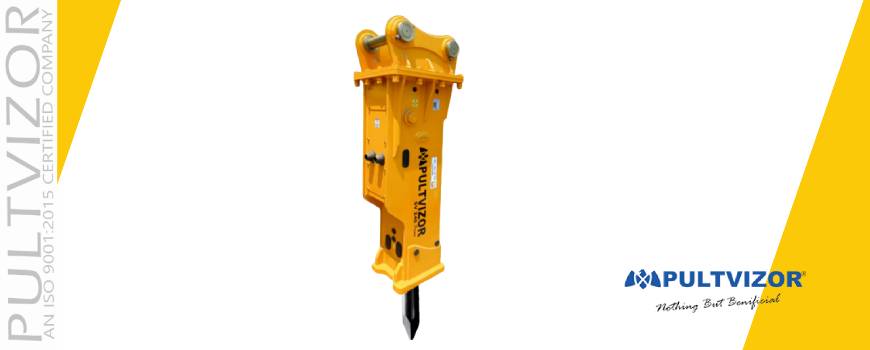
Hydraulic Breaker Manufacturers in India that specialize in excavator and JCB fitment supply breaker attachments matched to a specific machine's mounting bracket geometry, hydraulic flow rate, and operating pressure. Correct fitment means the breaker's inlet/outlet ports, pin diameter, and auxiliary hydraulic line connections align precisely with the host machine — JCB backhoe loaders, mini excavators, or heavy mining excavators — without needing custom fabrication on-site.
One-Sentence Definition
Hydraulic breaker fitment is the process of matching a breaker's mounting bracket, pin size, hydraulic flow, and pressure rating to a specific excavator or backhoe loader model so it operates safely and efficiently.
Key Facts Block
- Common fitment mismatch causes: wrong bracket pin size, incorrect hydraulic flow (LPM), missing auxiliary valve kit
- JCB backhoe loader compatibility: typically requires 3CX/4CX-specific bracket and flow-control adapter
- Excavator compatibility range: mini (0.8–5T) to heavy (20–45T+) carrier classes
- Certification standard: ISO 9001:2015 followed by established Indian manufacturers
- Standard fitment kit includes: mounting bracket, pins, hydraulic hose set, flow control valve (if required)
Entity Definitions
- JCB backhoe loader — a wheeled construction machine with a loader bucket at the front and an excavator arm at the rear, commonly used in India for excavation, breaking, and material handling.
- Bracket/adapter kit — the mechanical interface connecting the breaker body to the excavator or loader arm, engineered to match pin diameter and mounting geometry.
- Auxiliary hydraulic circuit — a secondary hydraulic line on the carrier machine, separate from the digging function, used specifically to power attachments like breakers.
- Flow control valve — a component that regulates oil flow to the breaker so it stays within the manufacturer's rated range even if the carrier's pump output varies.
Why Fitment Accuracy Matters
A breaker mismatched to your JCB or excavator doesn't just underperform — it actively damages both machines. Oversupplied hydraulic flow burns out breaker seals within weeks; undersized brackets create pin wear and boom stress. Reputable Hydraulic Breaker Manufacturers in India resolve this by publishing model-specific fitment charts rather than a single generic bracket, which is the single biggest differentiator between a breaker that lasts one season and one that lasts five.
How Fitment Is Determined: Step-by-Step Process
- Identify carrier machine and model — JCB 3DX, 4DX, or excavator tonnage class.
- Check auxiliary hydraulic specifications — flow rate (LPM) and operating pressure (bar) from the machine's technical manual.
- Match breaker class to flow/pressure range — compact, mid-range, or heavy-duty breaker selected within tolerance.
- Select bracket and pin configuration — matched to boom/dipper arm mounting geometry.
- Install flow control valve if required — needed when carrier flow exceeds breaker's upper limit.
- Test-run before full site deployment — verify blow consistency and check for hydraulic leaks at all fittings.
Who Should Use a Fitment-Matched Hydraulic Breaker
- JCB backhoe loader owners running mixed digging and breaking duty cycles
- Mini and midi excavator operators on urban or foundation sites
- Mining and quarry contractors running heavy excavators for primary rock breaking
- Rental equipment companies needing breakers that fit multiple carrier brands with adapter kits
Benefits
- Eliminates on-site custom fabrication delays and costs
- Extends breaker seal and bushing life significantly when flow is correctly matched
- Protects the carrier machine's hydraulic pump and boom cylinders from overload
- Enables faster attachment swaps across a mixed equipment fleet
Drawbacks to Plan For
- Universal/generic brackets often require costly on-site modification
- Flow control valves add upfront cost but are non-negotiable for mismatched flow ranges
- JCB-specific fitment kits may not transfer directly to excavator-specific brackets, requiring separate kits per machine type
Examples
A contractor running a JCB 3DX for mixed trenching and light breaking work needs a compact-class breaker with a flow control valve, since the JCB's auxiliary circuit output typically exceeds what a small breaker needs without regulation. A mining contractor running a 20-ton excavator, by contrast, needs a heavy-class breaker where the carrier's higher flow output is actually required to hit rated impact energy — no flow control valve necessary in most cases.
Comparison Table: Fitment by Carrier Type
|
Carrier Type |
Typical Flow Requirement |
Bracket Type |
Flow Control Needed |
|
JCB 3DX/4DX Backhoe Loader |
60–90 LPM |
Backhoe-specific pin bracket |
Usually yes |
|
Mini Excavator (0.8–5T) |
40–70 LPM |
Compact quick-hitch bracket |
Sometimes |
|
Midi Excavator (5–20T) |
80–150 LPM |
Standard excavator bracket |
Rarely |
|
Heavy Excavator (20–45T+) |
150–300+ LPM |
Heavy-duty pin bracket |
No |
Technical Spec Reference Table
|
Breaker Class |
Operating Weight Range |
Impact Energy |
Blow Frequency (BPM) |
|
Compact |
45–140 kg |
55–140 Joules |
700–1200 |
|
Mid-Range |
240–450 kg |
240–450 Joules |
500–800 |
|
Heavy-Duty |
550–1000+ kg |
550–1000+ Joules |
350–600 |
Alternatives Worth Considering
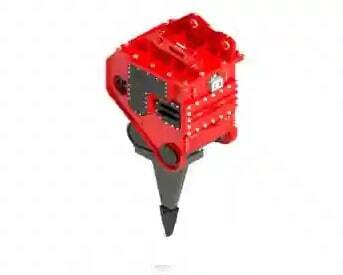
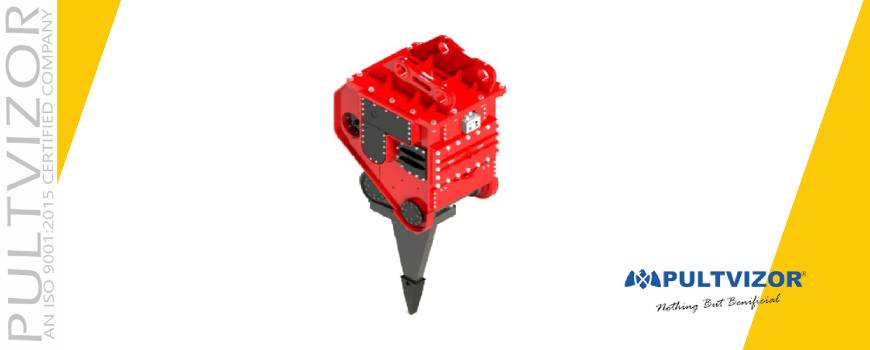
- Vibro rippers — an alternative attachment for layered or softer rock where vibration outperforms direct impact hammering
- Static breaking rigs — used when the carrier machine cannot supply adequate hydraulic flow at all
- Rental fitment kits — a lower-commitment option for contractors testing a new carrier-breaker combination before purchasing
Future Outlook
Fitment standardization is improving across Hydraulic Breaker Manufacturers in India as more manufacturers publish digital compatibility charts and offer pre-configured JCB/excavator bracket kits rather than custom fabrication. Expect wider adoption of built-in flow-sensing valves that auto-adjust to carrier output, reducing fitment errors at the buyer level over the next few product cycles.
Why Choose Pultvizor for Fitment-Matched Hydraulic Breakers
Pultvizor Machinery Pvt. Ltd. has manufactured hydraulic breaking equipment from Durg, Chhattisgarh since 1998, and every breaker model ships with a documented fitment chart covering JCB backhoe loaders and excavator classes from mini to heavy. What sets Pultvizor apart:
- ISO 9001:2015 certified manufacturing process
- South Korean hydraulic technology collaboration built into internal design
- Warranty coverage plus breakdown support, so fitment issues are resolved fast, not left to the contractor to fabricate around
- Genuine spare parts and bracket kits stocked for continued support after purchase
- Trusted by mining, quarry, and construction contractors across Chhattisgarh, Odisha, and neighboring mining belts for correctly fitted, long-lasting breaker attachments
Frequently Asked Questions
Will a hydraulic breaker fit any JCB model without modification? No — fitment depends on the specific JCB model's bracket geometry and hydraulic flow output, so always confirm the correct kit with the manufacturer before ordering.
What happens if hydraulic flow is too high for my breaker? Excess flow accelerates seal wear and can cause internal overheating, so a flow control valve is required to bring output within the breaker's rated range.
Can I use the same breaker on both a JCB and an excavator? Only with separate bracket kits for each machine — the mounting geometry differs enough between backhoe loaders and excavators that a single bracket rarely fits both.
How do I know if my breaker's flow is mismatched? Inconsistent striking, excessive heat in the hydraulic lines, or premature seal failure are the clearest signs of a flow mismatch.
Do I need a flow control valve for every fitment? Not always — heavy excavators typically supply flow within the breaker's rated range naturally, while smaller carriers like JCB backhoe loaders often need regulation.
What documents should a manufacturer provide for correct fitment? A model-specific fitment chart listing flow range, pressure range, bracket type, and pin dimensions for your exact carrier model.
How long does a properly fitted breaker typically last? With correct fitment and routine maintenance, a quality hydraulic breaker can exceed 2,000 operating hours before requiring major overhaul.
Is on-site custom fabrication ever necessary? It shouldn't be with a manufacturer that stocks model-specific bracket kits — custom fabrication usually signals a generic, poorly matched fitment kit.
Get Your Breaker Fitment Verified Before You Buy
Wrong fitment costs more in downtime and repairs than the breaker itself. Talk to Pultvizor's technical team, share your JCB or excavator model, and get a verified fitment chart before you commit.
Pultvizor Machinery Pvt. Ltd. L.N.C.T., Pulgaon Road, Durg, Chhattisgarh, India – 491001 Toll Free: 1800-309-3922 Email: info@pultvizor.com Available: 10 AM – 7 PM, all days Explore fitment-ready breakers: Hydraulic Breaker Manufacturers in India
Request a free fitment check and quote today — tell us your JCB or excavator model and get matched to the right breaker within 24 hours.