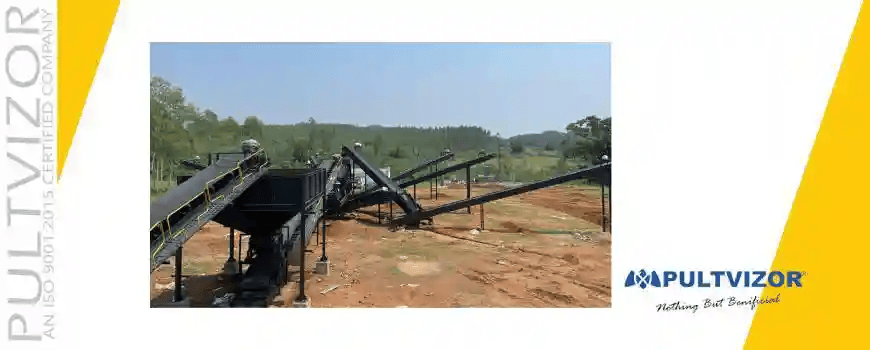
Crusher Plant Manufacturers in India for 200 Ton Per Hour Output
The Engineering Factors That Actually Determine Whether a Plant Hits 200 TPH
Published: 2026 | Author: Pultvizor Editorial Team — Manufacturing background in mining and crushing equipment since 1998, Durg, Chhattisgarh
A "200 TPH" label on a crusher plant brochure describes a theoretical maximum under ideal feed conditions — not a guaranteed sustained output. Contractors who buy on the headline number alone often find their plant delivering well below that figure once real feed gradation, moisture content, and screening bottlenecks enter the picture. 200 TPH Crusher Plants Manufacturers in India that engineer every stage around the actual 200 ton per hour target, rather than just the crusher's peak rating, are the ones that deliver on the number. This guide breaks down what actually drives real-world 200 TPH output.
What It Takes to Actually Achieve 200 Ton Per Hour Output
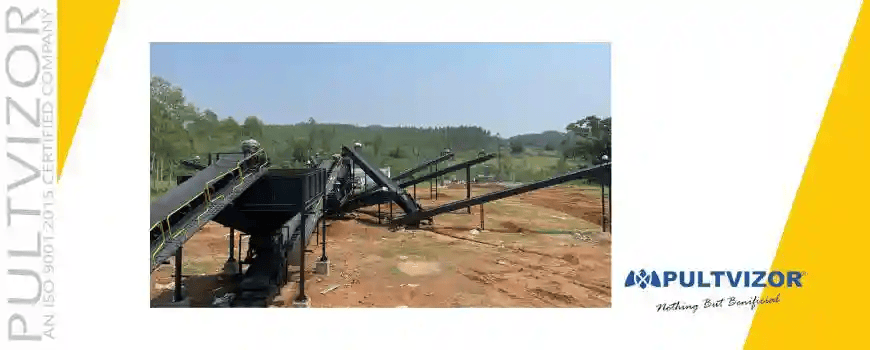
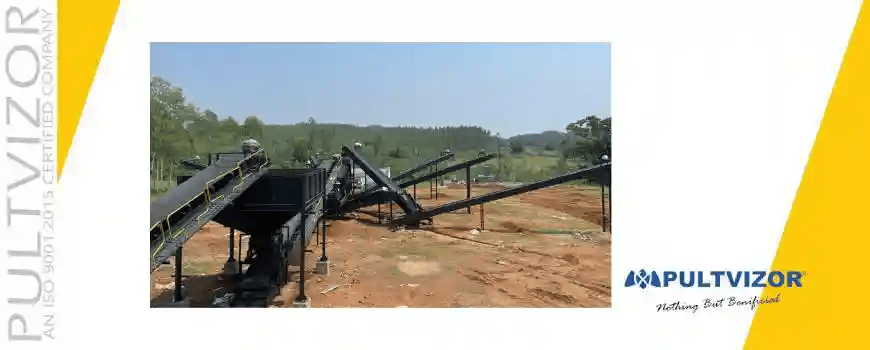
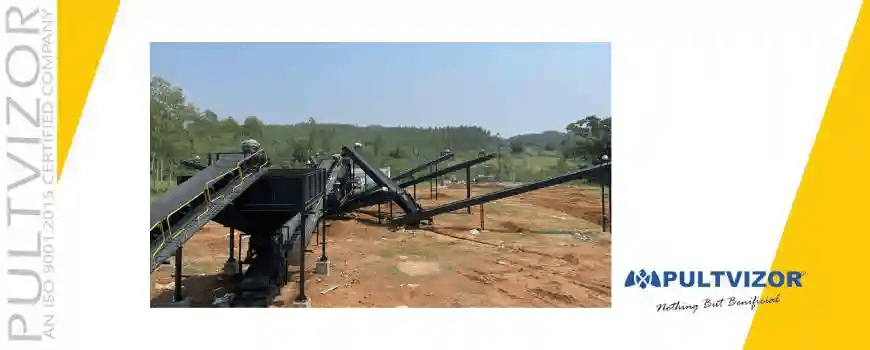
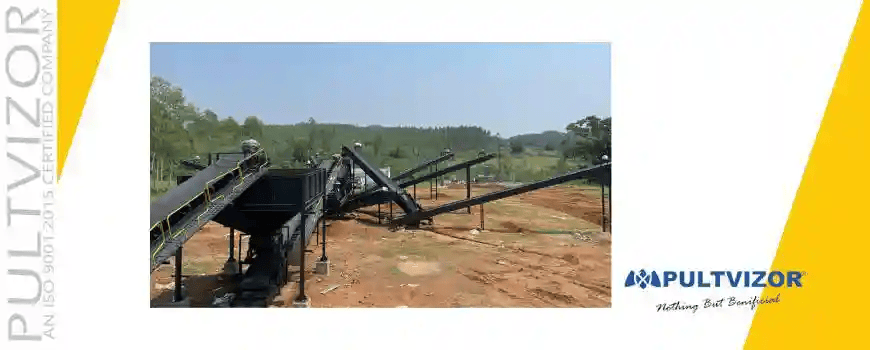
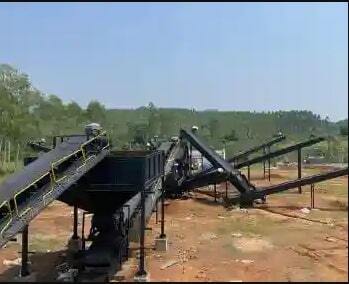
Reaching genuine 200 ton per hour output requires 200 TPH Crusher Plants Manufacturers in India to size the feeder, primary crusher, secondary crusher, and screening deck together as one matched system — not just install a crusher rated at 200 TPH in isolation. Feed gradation, moisture content, and screening area all directly affect whether the plant's actual throughput matches its rated capacity under real site conditions.
One-Sentence Definition
200 ton per hour output refers to a crusher plant's capacity to process 200 tons of raw material into graded product within one hour of continuous, properly fed operation.
Key Facts Block
- Rated vs actual output gap: Commonly caused by undersized screening, inconsistent feed rate, or high moisture feed material
- Core components affecting TPH: Feeder capacity, crusher throughput, screen area, conveyor belt speed
- Certification standard: ISO 9001:2015 followed by established Indian manufacturers
- Key variable often overlooked: Feed material moisture content, which can reduce screening efficiency significantly
- Typical plant footprint for 200 TPH: Medium to large site area depending on stockpile and conveyor layout
Entity Definitions
- Rated capacity — the manufacturer-stated maximum theoretical throughput of a crusher under ideal feed and operating conditions.
- Actual throughput — the real-world sustained output achieved on-site, which depends on feed consistency, screening capacity, and operating conditions.
- Feed gradation — the size distribution of raw material entering the crusher, which directly affects crushing efficiency and downstream screening load.
- Screening efficiency — the percentage of material correctly separated by size on the first pass through a screen, reduced by moisture, overloading, or worn mesh.
Why the Rated TPH Number Alone Doesn't Guarantee Output
Manufacturers rate crusher capacity under controlled, ideal feed conditions — consistent gradation, low moisture, steady feed rate. Real quarry or mining feed material rarely matches those conditions exactly, which is why plant output frequently falls short of the rated figure. 200 TPH Crusher Plants Manufacturers in India that publish full system specifications — feeder rate, screen area, conveyor capacity — alongside the crusher's rated TPH give buyers a realistic picture of achievable output, rather than a headline number alone.
How to Evaluate a Plant's Real 200 TPH Capability: Process
- Check the feeder's rated delivery rate against the crusher's intake capacity — a mismatch here caps output before material even reaches the crusher.
- Review the screening deck's total effective area, since undersized screens are the most common cause of output shortfall.
- Assess feed material moisture content, since high moisture significantly reduces screening efficiency and can cause blinding on the mesh.
- Confirm conveyor belt width and speed are sized for the full 200 TPH material flow, not just the crusher's peak output.
- Request performance data from similar site conditions, not just the manufacturer's ideal-condition test figures.
- Plan for a buffer margin — sizing slightly above 200 TPH on paper helps absorb real-world feed variability.
Who Needs Verified 200 TPH Output Capability
- Contractors with fixed-tonnage supply contracts tied to project deadlines
- Aggregate producers scaling from smaller plants to meet growing regional demand
- Infrastructure projects requiring consistent, contractually guaranteed daily output
- Procurement teams comparing multiple manufacturers' plant specifications
Benefits
- Accurate output planning reduces the risk of missing supply contract commitments
- Properly matched plant components reduce recirculation load and wasted energy
- Predictable production supports better site logistics and truck scheduling
- Reduced long-term maintenance cost from components sized for actual load, not overworked undersized parts
Drawbacks to Plan For
- A genuinely matched 200 TPH system costs more upfront than a crusher-only purchase with mismatched screening
- Achieving consistent 200 TPH still requires disciplined feed material management on-site
- High moisture or highly variable feed material may require additional pre-processing to hit rated output reliably
Examples
A contractor supplying a fixed daily tonnage under contract needs the plant's actual throughput verified against real feed conditions, since a shortfall directly threatens contract penalties. A contractor with more flexible daily targets has more tolerance for periodic output variability and can prioritize lower upfront cost over guaranteed peak-matched sizing.
What Limits Real-World TPH Output
|
Limiting Factor |
Impact on Output |
How Matched Plants Address It |
|
Undersized screening deck |
Bottlenecks crusher output, forces recirculation |
Screen area sized to crusher's full rated capacity |
|
Inconsistent feeder rate |
Crusher runs below capacity intermittently |
Feeder rate matched precisely to crusher intake |
|
High feed moisture |
Reduces screening efficiency, causes mesh blinding |
Pre-processing or screen mesh selection for moisture tolerance |
|
Undersized conveyors |
Creates material backup at transfer points |
Belt width and speed matched to full plant TPH |
Technical Spec Reference Table
|
Component |
Role in Achieving 200 TPH |
Sizing Note |
|
Vibrating Feeder |
Controls consistent material intake |
Rated delivery must meet or exceed 200 TPH |
|
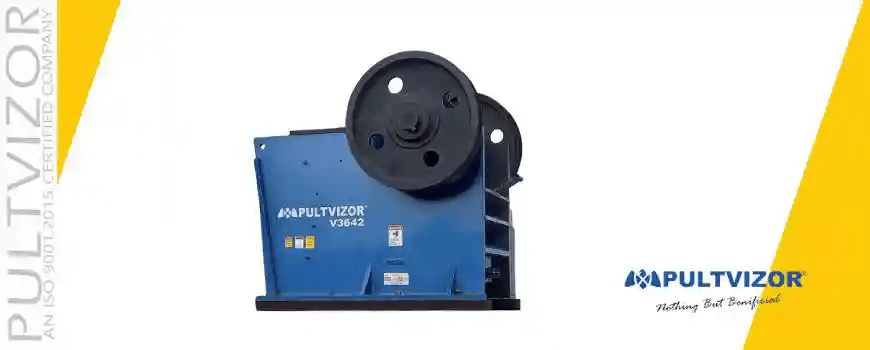
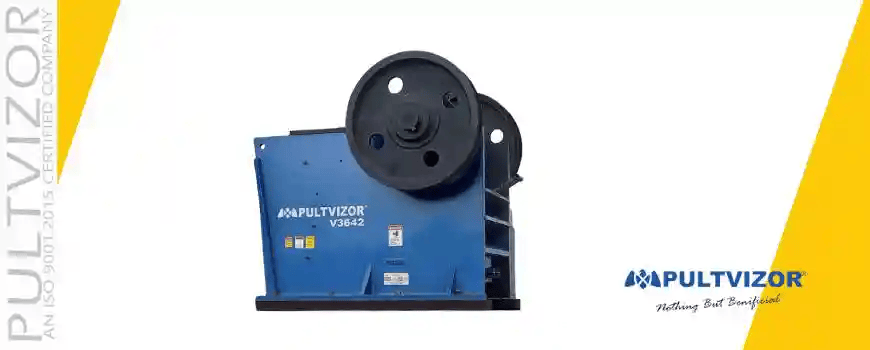
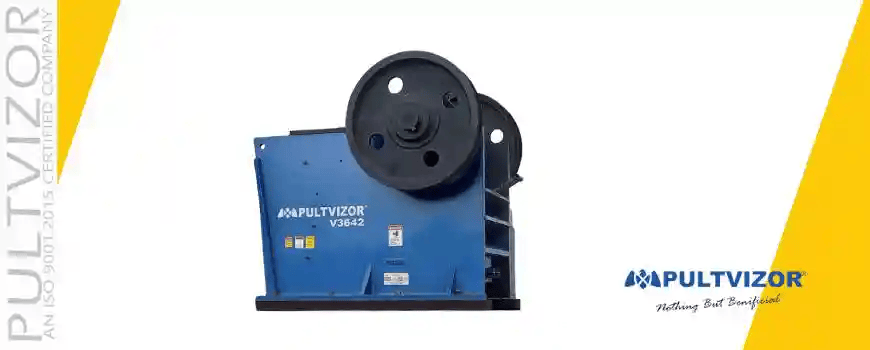
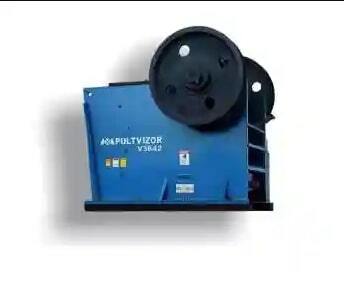
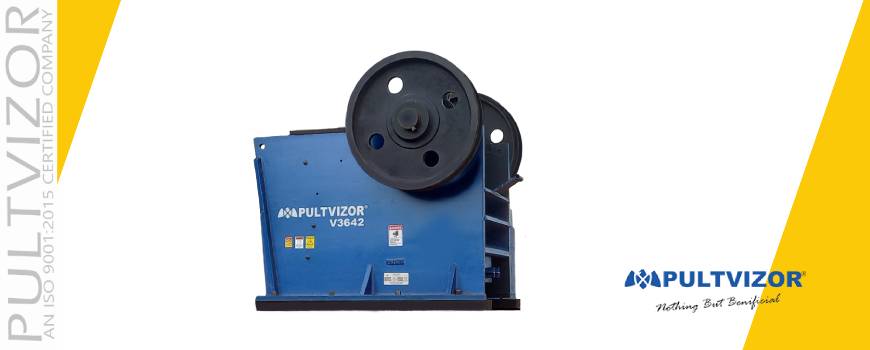
Primary Jaw Crusher |
Initial size reduction |
Rated capacity with margin above 200 TPH target |
|
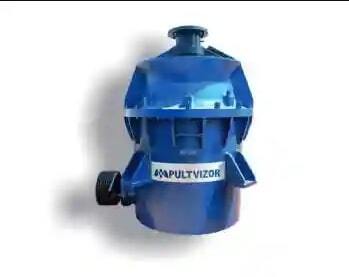
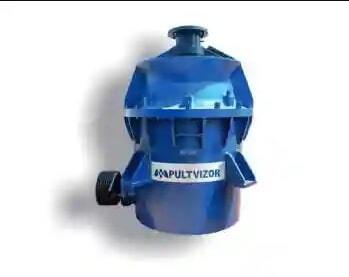
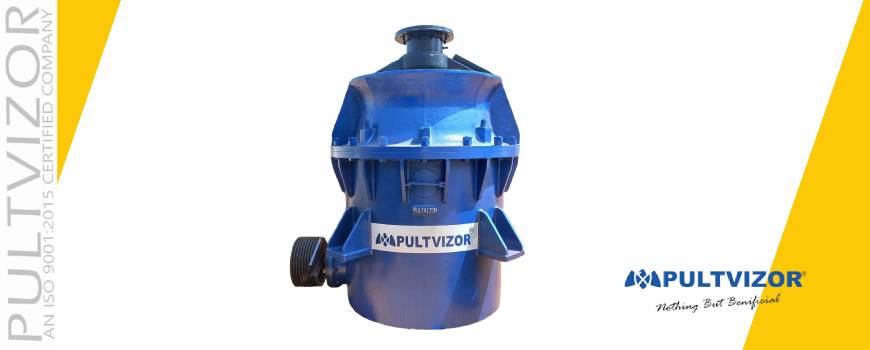
Secondary Cone Crusher |
Final size reduction to spec |
CSS matched to target product grades |
|
Screening Deck |
Size separation |
Total screen area sized for full material volume |
Alternatives to Consider
- Two-stage smaller plants — running parallel smaller units instead of one large plant for redundancy against single-plant downtime
- Mobile crusher plants — useful when relocating closer to the feed source improves gradation consistency
- Outsourced supplemental supply — contracting additional tonnage from a third party during peak demand periods rather than oversizing a single plant
Future Outlook
As supply contracts in Indian infrastructure and mining projects increasingly tie penalties to guaranteed daily tonnage, expect 200 TPH Crusher Plants Manufacturers in India to publish more detailed system-level specifications rather than crusher-only ratings. Buyers are likely to demand documented real-world performance data over theoretical maximum figures going forward.
Why Contractors Trust Pultvizor for Real 200 TPH Output
Pultvizor Machinery Pvt. Ltd. has manufactured mining and crushing equipment from Durg, Chhattisgarh since 1998. What contractors get:
- Fully matched 200 TPH systems — feeder, crusher, screen, and conveyor sized together, not sold as isolated components
- ISO 9001:2015 certified manufacturing process
- South Korean technology collaboration informing crushing chamber and screening design
- Warranty and dedicated breakdown support to protect contracted output commitments
- Experience delivering matched-capacity plants across Chhattisgarh, Odisha, and neighboring infrastructure and mining regions
Frequently Asked Questions
Why does my crusher plant fall short of its rated 200 TPH output?
The most common causes are an undersized screening deck, inconsistent feeder rate, or high feed material moisture reducing screening efficiency.
Is the manufacturer's rated TPH figure always achievable on-site?
Rated figures are based on ideal feed conditions, so real-world output often falls below that number unless the full system is matched to actual site conditions.
What component most commonly limits real-world crusher output?
Undersized screening decks are the single most common bottleneck, even when the crusher itself is rated for the target TPH.
How does feed material moisture affect crusher plant output?
High moisture content can cause material to stick to screen mesh, reducing screening efficiency and effective throughput significantly.
Should I buy a plant rated exactly at 200 TPH or with a buffer margin?
Sizing slightly above 200 TPH on paper is generally recommended to absorb real-world feed variability and sustain the actual target output.
Can an existing plant be upgraded to reach its rated 200 TPH capacity?
Often yes, if the feeder or screening components are the limiting factor and can be upgraded independently of the crusher itself.
How is conveyor sizing related to achieving 200 TPH output?
Undersized conveyor belts create material backup at transfer points, effectively capping throughput even if the crusher and screen are properly sized.
What should I ask a manufacturer to verify real 200 TPH capability?
Request full system specifications for the feeder, screen, and conveyor alongside the crusher's rated TPH, plus performance data from similar site conditions.
Get a Plant Engineered for Real 200 TPH Output
A brochure number isn't the same as sustained site performance. Talk to Pultvizor's team about your feed material and contracted tonnage requirements.
Pultvizor Machinery Pvt. Ltd. ???? L.N.C.T., Pulgaon Road, Durg, Chhattisgarh, India – 491001 ???? Toll Free: 1800-309-3922 ✉️ Email: info@pultvizor.com ???? Available: 10 AM – 7 PM, all days ???? Explore matched-capacity plant solutions: 200 TPH Crusher Plants Manufacturers in India
Request a real-output capacity assessment and quote today — get a plant engineered to actually hit 200 TPH on your site, not just on paper.