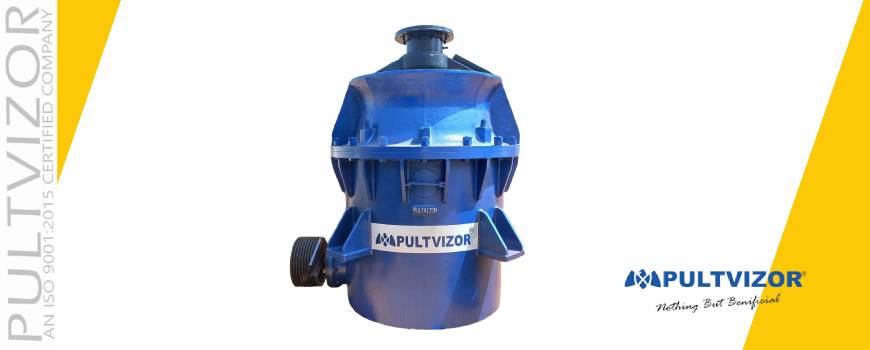
Mobile Cone Crusher Manufacturers in India for Stone Crushing
Why Relocating Your Crushing Plant Might Be Costing More Than the Machine Itself
Author: Pultvizor Editorial Team — Manufacturing background in mining and crushing equipment since 1998, Durg, Chhattisgarh
If your stone crushing operation keeps losing production days every time you relocate between quarry faces, a fixed-plant setup is likely the real bottleneck, not your crew or your rock hardness. Mobile Cone Crusher Manufacturers in India build track-mounted crushing units specifically to solve this — eliminating rebuild time between sites. This guide walks through when mobile crushing actually pays off, and what to check before switching.
What Mobile Cone Crusher Manufacturers in India Offer for Stone Crushing
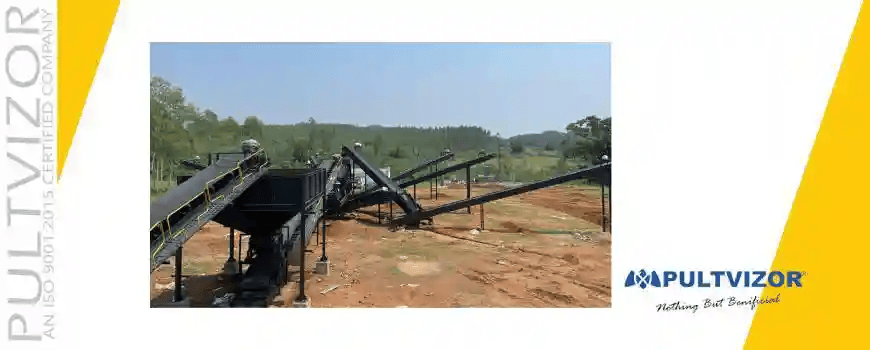
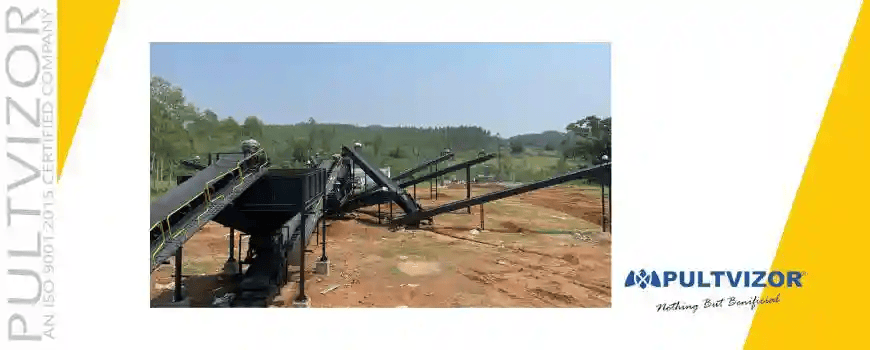
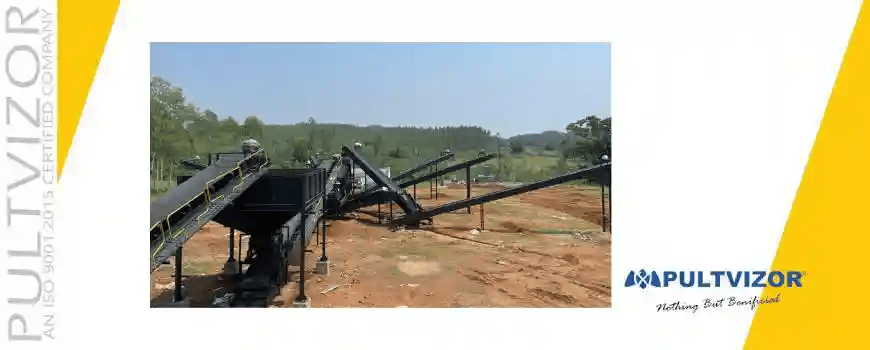
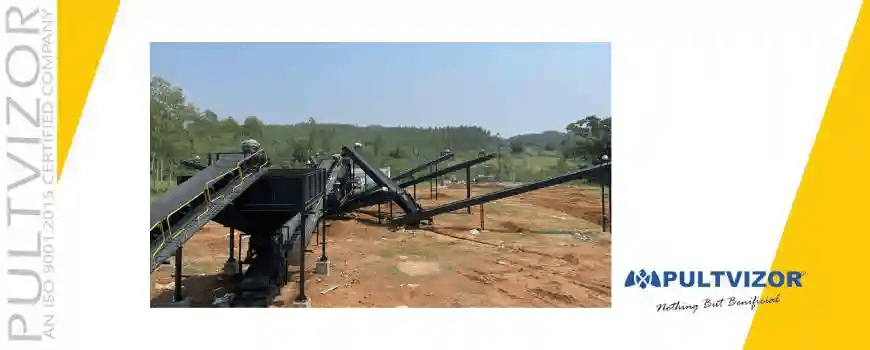
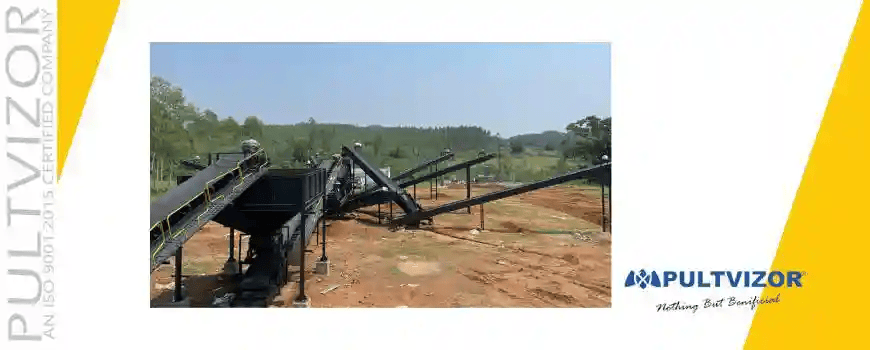
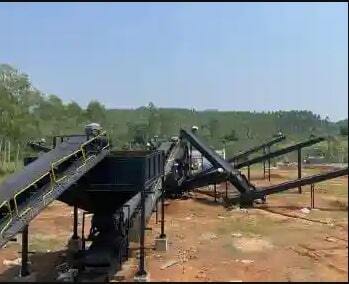
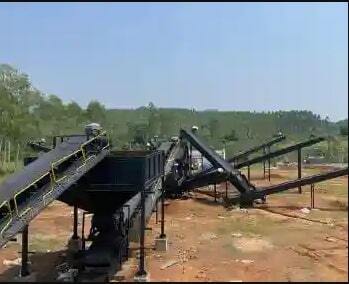
Mobile Cone Crusher Manufacturers in India build track-mounted or wheel-mounted crushing units that combine a cone crusher, feeder, and screening deck onto a single relocatable chassis. For stone crushing operations, this means the plant can move directly between quarry faces or job sites without the multi-day teardown and rebuild required by fixed-foundation crusher plants, cutting relocation downtime significantly.
One-Sentence Definition
A mobile cone crusher is a self-contained, track-mounted crushing unit that reduces stone and aggregate to a target size while remaining relocatable between sites without structural rebuilding.
Key Facts Block
- Common capacity range: 100–300 TPH depending on model
- Mounting type: Track-mounted (most common) or wheel-mounted
- Core components: Cone crushing chamber, vibrating feeder, integrated screening deck, diesel or electric power unit
- Typical relocation time: Hours, not days, compared to fixed-plant rebuilds
- Certification standard: ISO 9001:2015 followed by established Indian manufacturers
Entity Definitions
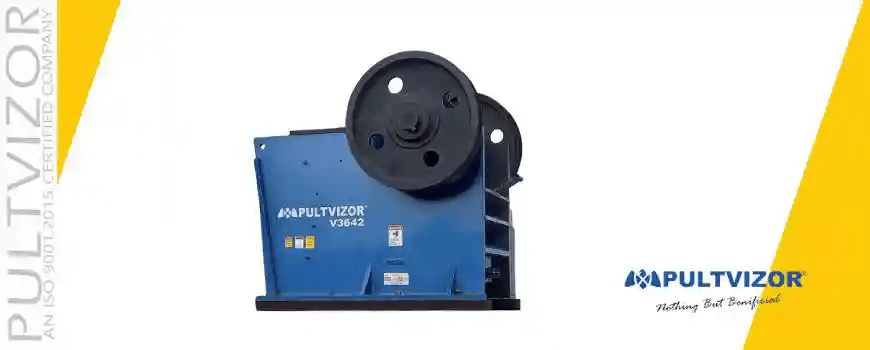
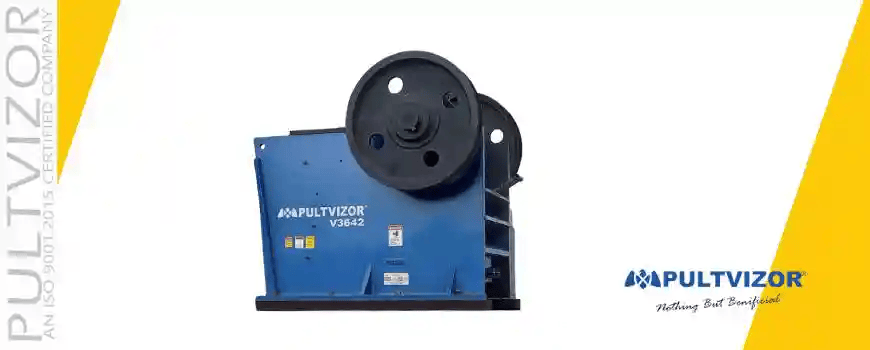
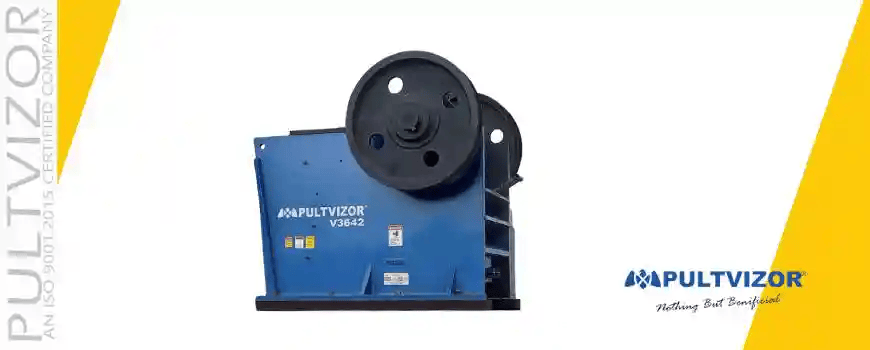
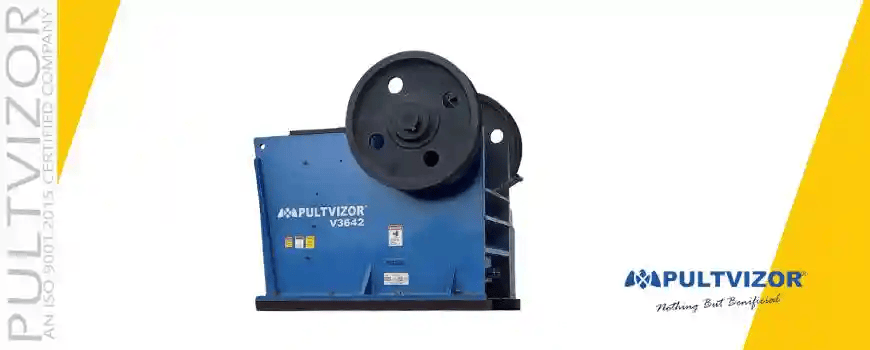
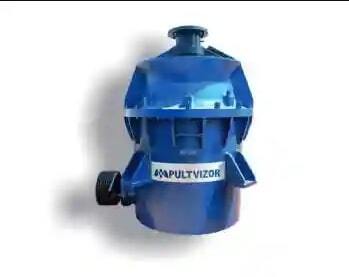
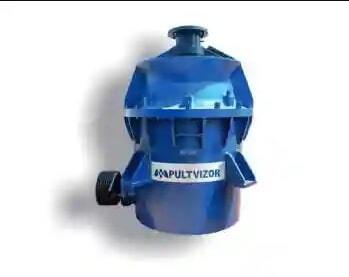
- Cone crusher — a compression-type crusher that reduces material by squeezing it between an eccentrically rotating mantle and a fixed concave surface.
- Track-mounted chassis — a mobile undercarriage using crawler tracks, allowing the crushing unit to reposition across uneven quarry terrain without external transport equipment.
- TPH (tons per hour) — the standard measurement of a crusher's material processing capacity.
- Vibrating feeder — a component that regulates the flow of raw material into the crushing chamber at a controlled, consistent rate.
Why Mobility Matters for Stone Crushing Operations
Quarry faces shift as extraction progresses, and a fixed-foundation plant means either hauling raw stone long distances to a stationary crusher or rebuilding the plant every time the face moves. Mobile Cone Crusher Manufacturers in India solve this by keeping the crushing chamber, feeder, and screen on one relocatable unit — reducing haul distance, fuel cost, and the multi-day downtime that comes with fixed-plant relocation.
How a Mobile Cone Crusher Works: Process Overview
- Raw stone loading — quarried material is loaded into the hopper via excavator or loader.
- Feed regulation — the vibrating feeder controls material flow into the crushing chamber at a steady rate.
- Crushing action — the cone's eccentric rotation compresses material between the mantle and concave, reducing particle size.
- Screening — crushed material passes through an integrated vibrating screen to separate output by size grade.
- Conveyor discharge — sized material is discharged via conveyor into stockpiles or waiting trucks.
- Relocation — the entire unit repositions on its tracks to the next crushing point without disassembly.
Who Should Use a Mobile Cone Crusher
- Quarry operators working multiple or shifting extraction faces
- Road and highway contractors needing on-site aggregate production
- Contractors on remote or hard-to-access sites where transporting raw stone is impractical
- Operations requiring seasonal or project-based crushing capacity rather than permanent fixed infrastructure
Benefits
- Drastically reduced relocation downtime compared to fixed-foundation plants
- Lower material haul costs by crushing closer to the extraction point
- Scalable deployment across multiple short-term project sites
- Reduced civil/foundation construction cost versus a permanent plant
Drawbacks to Plan For
- Generally lower maximum throughput than large fixed installations at the very top TPH range
- Higher per-unit purchase cost than an equivalent-capacity fixed crusher due to chassis and mobility engineering
- Requires stable, relatively level ground even on tracks for safe and efficient operation
Examples
A quarry extracting granite across a shifting face typically deploys a mobile cone crusher directly at the active extraction point, cutting haul truck cycles compared to transporting raw stone to a fixed plant kilometers away. A highway contractor producing aggregate for a road project, by contrast, values the mobile unit's ability to relocate along the project corridor as work progresses, avoiding the cost of building multiple fixed plants for a single project's duration.
Comparison Table: Mobile vs Fixed Cone Crusher Plants
|
Factor |
Mobile Cone Crusher |
Fixed Cone Crusher Plant |
|
Relocation time |
Hours |
Multiple days to weeks |
|
Upfront civil work |
Minimal |
Significant foundation work required |
|
Best suited for |
Shifting quarry faces, project sites |
Long-term, single-location high-volume operations |
|
Maximum TPH range |
Typically up to 300 TPH |
Can scale higher with fixed infrastructure |
|
Haul cost impact |
Lower (crush at source) |
Higher (material transported to fixed plant) |
Technical Spec Reference Table
|
Model Class |
Capacity (TPH) |
Feed Opening |
Power Source |
|
Compact Mobile |
100 TPH |
Small to medium stone |
Diesel |
|
Standard Mobile |
200 TPH |
Medium stone |
Diesel or electric |
|
Heavy Mobile |
300 TPH |
Medium to large stone |
Diesel |
Alternatives to Consider
- Fixed cone crusher plants — better suited for single-location, very high-volume long-term operations
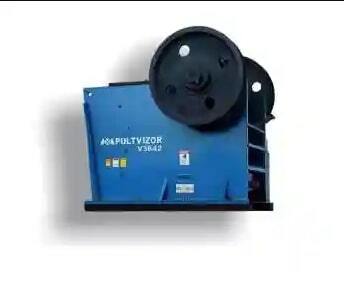
- Jaw crusher plants — often used as a primary crushing stage ahead of a cone crusher for harder or larger feed material
- Mobile jaw-cone combination plants — a two-stage mobile setup for operations needing both primary and secondary crushing on one relocatable footprint
Future Outlook
Demand for Mobile Cone Crusher Manufacturers in India is rising alongside road infrastructure and quarry expansion projects, with manufacturers increasingly offering hybrid diesel-electric power options to reduce fuel costs during extended deployments. Expect continued growth in track-mounted, screen-integrated units as contractors prioritize deployment speed over the marginal capacity advantage of fixed plants.
Why Choose Pultvizor for Mobile Stone Crushing Equipment
Pultvizor Machinery Pvt. Ltd. has manufactured mining and crushing equipment from Durg, Chhattisgarh since 1998. What quarry and construction operators get:
- 100/200/300 TPH mobile crusher plant options engineered for Indian quarry terrain
- ISO 9001:2015 certified manufacturing process
- South Korean technology collaboration built into crushing chamber design
- Warranty and breakdown support, minimizing costly relocation-related downtime
- Proven deployment experience across shifting quarry faces and road-project sites in Chhattisgarh, Odisha, and neighboring states
Frequently Asked Questions
How much faster is a mobile cone crusher to relocate than a fixed plant? A mobile unit can typically reposition within hours on its own tracks, while a fixed plant relocation can take several days to weeks including rebuild.
What stone types can a mobile cone crusher handle? Most mobile cone crushers handle granite, basalt, limestone, and similar medium-to-hard stone types within their rated feed size.
Is a mobile cone crusher as durable as a fixed plant? Yes, when properly maintained — the crushing chamber technology is comparable, with the main difference being the mobile chassis and relocation capability.
Can a mobile cone crusher work directly at the quarry face? Yes, that's its primary advantage — it can be positioned close to extraction points, reducing raw material haul distance significantly.
What's the typical TPH capacity of a mobile cone crusher? Common capacities range from 100 to 300 TPH depending on the model and feed material characteristics.
Does a mobile cone crusher need a fixed foundation? No, that's the core benefit — it operates on its track-mounted chassis without requiring permanent civil foundation work.
How often does a mobile cone crusher need maintenance? Routine greasing and inspection are typically needed every operating shift, with major component checks scheduled every few hundred hours depending on usage intensity.
Is a mobile cone crusher a good fit for a short-term road project? Yes — its relocation speed and minimal civil work make it well suited for project-based or time-limited crushing requirements.
Get the Right Mobile Crusher for Your Site
Relocation downtime is a production cost most operators underestimate until it's already eating into their schedule. Talk to Pultvizor's team about your quarry or project requirements.
Pultvizor Machinery Pvt. Ltd. L.N.C.T., Pulgaon Road, Durg, Chhattisgarh, India – 491001 Toll Free: 1800-309-3922 Email: info@pultvizor.com Available: 10 AM – 7 PM, all days Explore mobile crushing solutions: Mobile Cone Crusher Manufacturers in India
Request a site assessment and mobile crusher quote today — get matched to the right TPH capacity for your terrain and production target.