High Capacity Crusher Plant Manufacturers in India for Road Construction Projects
Why Road Projects Need a Different Plant Sizing Approach Than Quarry Aggregate Supply
Published: 2026 | Author: Pultvizor Editorial Team — Manufacturing background in mining and crushing equipment since 1998, Durg, Chhattisgarh
Road construction contracts run on fixed timelines with penalty clauses for delay, which means a crusher plant that can't sustain its rated output through an entire project isn't just inconvenient — it's a financial risk. 200 TPH Crusher Plants Manufacturers in India that understand road-project duty cycles size the feeder, crusher, and screening stages specifically for sustained, continuous output rather than the intermittent demand pattern of a general quarry operation. This guide covers what road contractors should evaluate before committing to a plant.
What High Capacity Crusher Plants Deliver for Road Construction
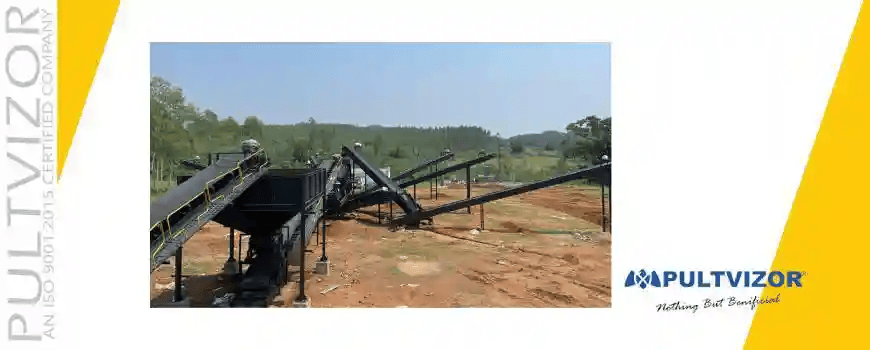
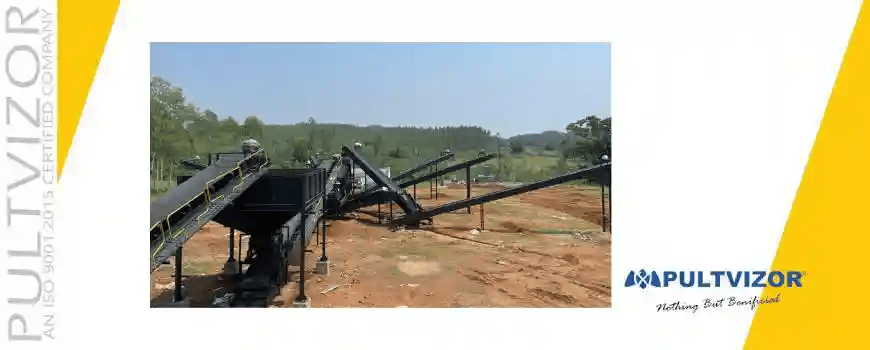
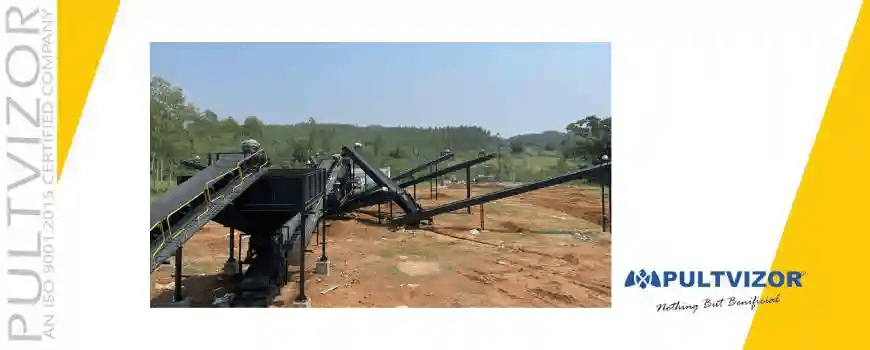
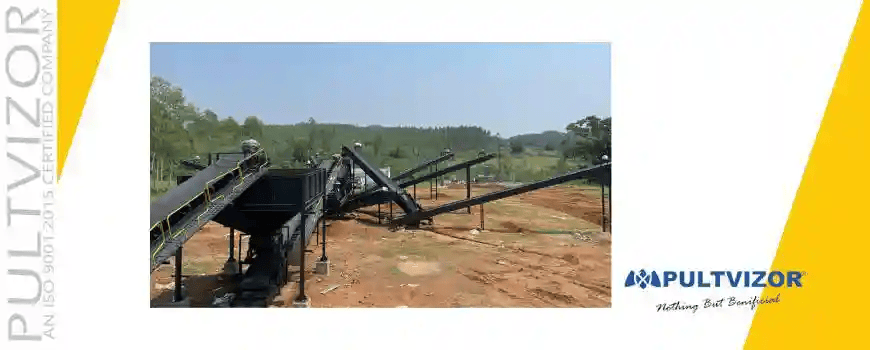
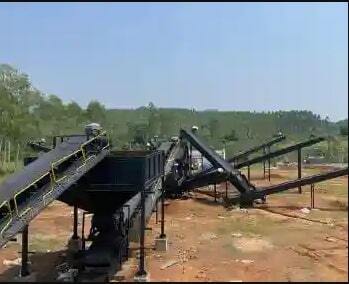
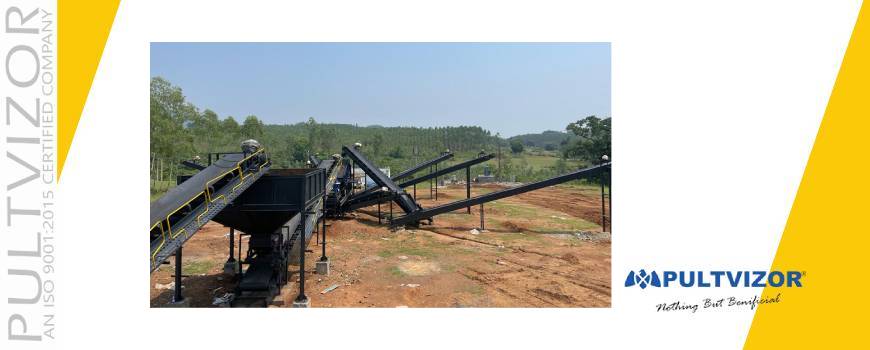
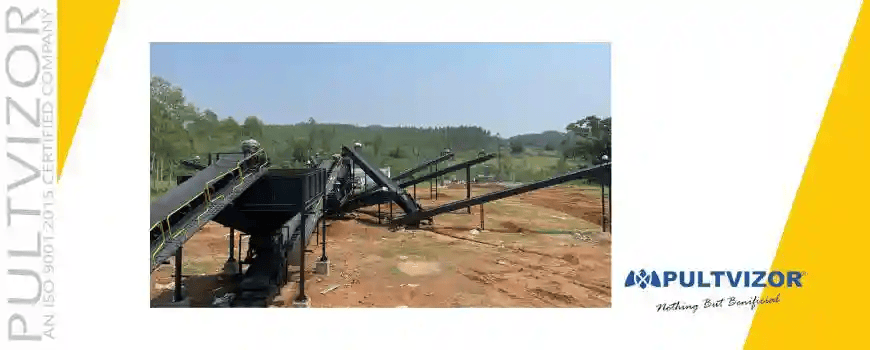
High capacity 200 TPH Crusher Plants Manufacturers in India build integrated crushing systems combining primary and secondary crushing stages with screening and conveyor capacity sized to sustain continuous output across multi-month road construction timelines. For road contractors, this means the plant can supply base material, sub-base aggregate, and bitumen-mix stone consistently without the throughput drops that undersized screening or feeding stages cause on general-purpose plants.
One-Sentence Definition
A high capacity crusher plant is an integrated crushing and screening system engineered to sustain a target tons-per-hour output continuously over extended production schedules, such as road construction timelines.
Key Facts Block
- Common capacity range for road projects: 150–250 TPH depending on project scale
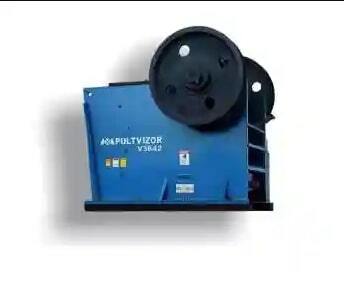
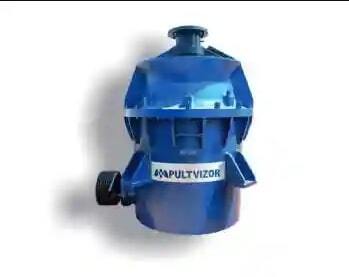
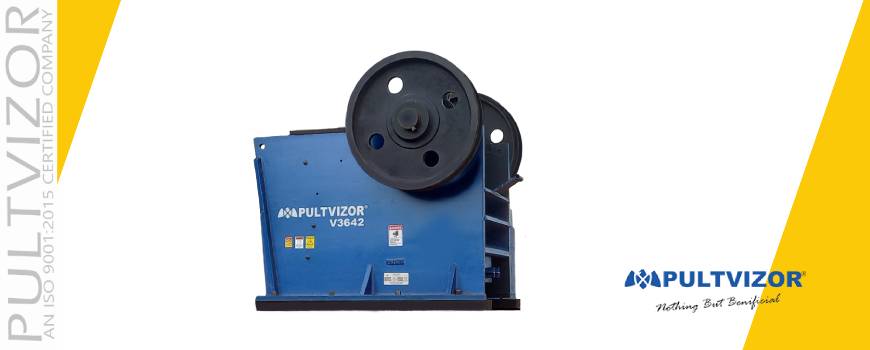
- Core components: Primary jaw crusher, secondary cone crusher, multi-deck screen, conveyor network
- Primary road-project outputs: Graded base course material, sub-base aggregate, bitumen-mix stone
- Certification standard: ISO 9001:2015 followed by established Indian manufacturers
- Key sizing consideration: Continuous duty cycle capacity, not just peak TPH rating
Entity Definitions
- Base course material — the graded aggregate layer placed beneath a road's surface layer, providing structural support and load distribution.
- Sub-base aggregate — a lower structural layer beneath the base course, typically using larger or less refined graded material.
- Continuous duty cycle — sustained equipment operation across extended periods without the intermittent stop-start pattern typical of smaller quarry operations.
- Bitumen-mix stone — graded aggregate specifically sized and cleaned for use in asphalt/bitumen road surface mixtures.
Why Road Projects Demand Different Plant Sizing
A quarry supplying intermittent local demand can tolerate some output variability, but a road construction project with a fixed completion date cannot — every day of reduced output pushes the project timeline and risks contractual penalties. 200 TPH Crusher Plants Manufacturers in India that specifically account for continuous duty cycles, rather than just peak-capacity specs, are better matched to the sustained output demand road contracts require.
How Road-Project Crusher Plants Sustain Output: Process Overview
- Feed material staging — quarried stone is stockpiled and pre-screened to a consistent feed size for the primary crusher.
- Primary crushing — a jaw crusher reduces raw stone to an intermediate size suited for secondary processing.
- Secondary crushing — a cone crusher further reduces material to target aggregate sizes.
- Multi-deck screening — crushed material is separated into base course, sub-base, and bitumen-mix grades simultaneously.
- Conveyor stockpiling — each graded product is conveyed to separate stockpiles for direct loading onto road-project trucks.
- Continuous cycle monitoring — feed rate and screening capacity are monitored to sustain target TPH across full production shifts.
Who Should Use a High Capacity Crusher Plant
- Road and highway construction contractors with fixed project timelines
- Infrastructure contractors supplying multiple simultaneous road segments
- Government and PSU road projects with contractual delivery penalties
- Contractors needing multiple graded products (base, sub-base, bitumen-mix) from one plant
Benefits
- Sustained output matched to road-project timelines, reducing delay risk
- Multiple graded products from a single integrated plant reduces the need for separate suppliers
- Predictable production planning supports contractual delivery commitments
- Reduced material handling cost through conveyor-linked stockpiling by grade
Drawbacks to Plan For
- Higher upfront capital investment than a plant sized for intermittent local demand
- Requires adequate site space and civil work for the full crushing-screening-conveyor layout
- Continuous duty cycle operation increases wear part consumption compared to intermittent use
Examples
A highway contractor supplying base course and bitumen-mix stone for a multi-kilometer road segment typically requires a plant sized for sustained 200 TPH output across full working shifts, since falling short even briefly can delay the paving schedule behind it. A smaller rural road contractor with a shorter project timeline may size down to a 100–150 TPH plant, balancing capital cost against a less demanding continuous-output requirement.
Plant Sizing by Project Type
|
Project Type |
Recommended Capacity |
Duty Cycle Demand |
Product Grades Needed |
|
Rural road, short timeline |
100–150 TPH |
Moderate, intermittent tolerance |
Base course, sub-base |
|
Highway segment, fixed deadline |
150–250 TPH |
Continuous, high sustained demand |
Base course, sub-base, bitumen-mix |
|
Multi-segment infrastructure project |
250 TPH+ |
Continuous, multi-shift |
All grades, high volume |
Technical Spec Reference Table
|
Component |
Function |
Road-Project Sizing Factor |
|
Primary Jaw Crusher |
Initial size reduction |
Feed rate matched to sustained TPH target |
|
Secondary Cone Crusher |
Fine size reduction to spec grade |
CSS set for base/sub-base/bitumen-mix requirements |
|
Multi-Deck Screen |
Simultaneous grading |
Screen area sized for continuous throughput |
|
Conveyor Network |
Grade-separated stockpiling |
Belt capacity matched to total plant TPH |
Alternatives to Consider
- Mobile crusher plants — useful when the road project corridor requires relocating the plant as construction progresses
- Multiple smaller fixed plants — an option for very long road corridors where a single plant's haul radius becomes impractical
- Outsourced aggregate supply — viable for shorter projects where owning a dedicated plant isn't cost-justified
Future Outlook
As India's road and highway construction activity continues to expand, demand for 200 TPH Crusher Plants Manufacturers in India engineered specifically for continuous, multi-grade output is expected to grow. Expect more manufacturers to offer pre-engineered, road-project-specific plant configurations rather than general-purpose quarry setups adapted after the fact.
Why Road Contractors Choose Pultvizor
Pultvizor Machinery Pvt. Ltd. has manufactured mining and crushing equipment from Durg, Chhattisgarh since 1998. What road construction contractors get:
- 150/200/250 TPH plant configurations engineered for sustained, continuous road-project output
- ISO 9001:2015 certified manufacturing process
- South Korean technology collaboration informing crushing and screening design
- Warranty and dedicated breakdown support to protect fixed-timeline project schedules
- Experience supplying road and infrastructure contractors across Chhattisgarh, Odisha, and neighboring states
Frequently Asked Questions
What crusher plant capacity is typically needed for a highway construction project?
Most highway segments require 150 to 250 TPH sustained output, though exact sizing depends on project length and delivery timeline.
Can one plant produce base course, sub-base, and bitumen-mix stone simultaneously?
Yes, with a properly sized multi-deck screening system, a single plant can separate output into multiple graded products at once.
Why does duty cycle matter more than peak TPH rating for road projects?
Peak TPH shows maximum capability, but road projects need sustained output across full shifts, which depends on feeder and screening capacity holding up continuously.
What happens if the crusher plant falls short of its rated TPH on a road project?
It risks delaying the paving schedule and can trigger contractual penalty clauses tied to project completion deadlines.
Is a mobile crusher plant a better choice for a long road corridor?
It can be, particularly when the haul distance from a fixed plant becomes impractical as construction progresses along the corridor.
How is bitumen-mix stone different from base course aggregate?
Bitumen-mix stone requires tighter size grading and cleanliness standards for asphalt mixing, while base course allows a broader size range for structural support.
What maintenance keeps a high capacity plant running at rated output?
Regular wear part inspection on crusher liners and jaw plates, feeder calibration, and screen mesh maintenance are critical for sustained continuous output.
Can an existing quarry plant be reconfigured for a road project's continuous demand?
Sometimes, the feeder and screening capacity can be upgraded to match sustained output needs, though a purpose-sized plant is generally more reliable for fixed-timeline projects.
Get a Plant Sized for Your Road Project Timeline
Falling short of rated output on a fixed-deadline road project carries real financial risk. Talk to Pultvizor's team about your project length and delivery schedule.
Pultvizor Machinery Pvt. Ltd. ???? L.N.C.T., Pulgaon Road, Durg, Chhattisgarh, India – 491001 ???? Toll Free: 1800-309-3922 ✉️ Email: info@pultvizor.com ???? Available: 10 AM – 7 PM, all days ???? Explore high capacity plant solutions: 200 TPH Crusher Plants Manufacturers in India
Request a road-project capacity assessment and quote today — get a plant sized to sustain your delivery schedule, not just hit a peak rating.